Dec 15, 2025
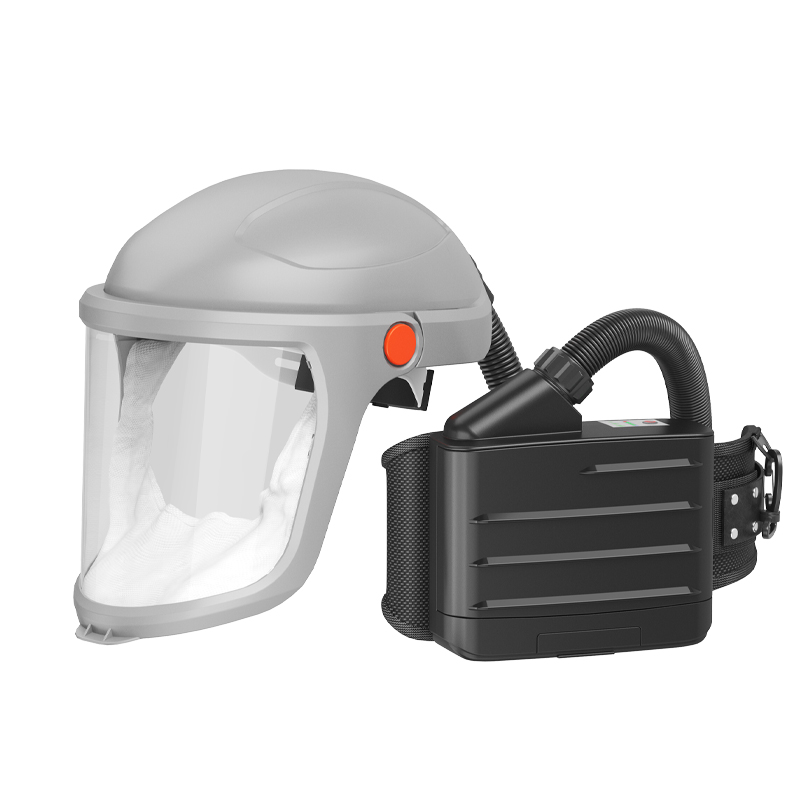
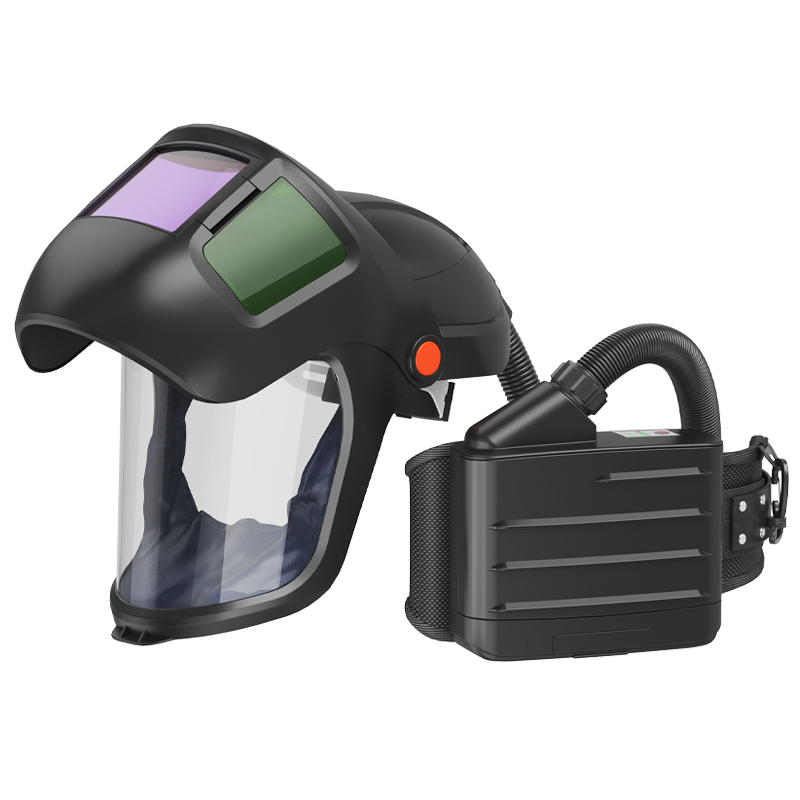
Wenn man an Holzbearbeitung denkt, kommen einem oft Bilder von herumfliegenden Holzspänen und dem intensiven Holzduft in den Sinn. Doch nur wenige schenken den unsichtbaren „Gesundheitskillern“ – dem Holzstaub – Beachtung. Viele Handwerker tragen beim Arbeiten gewöhnliche Atemschutzmasken und denken: „Solange die groben Partikel abgehalten werden, ist alles in Ordnung.“ Doch mit dem wachsenden Bewusstsein für Arbeitsschutz greifen immer mehr Fachleute zu Atemschutzmasken. PAPR-SystemHeute wollen wir der Frage nachgehen, warum die Holzbearbeitung, ein scheinbar „bodenständiges“ Handwerk, solch professionelle Schutzausrüstung erfordert. Zunächst ist es wichtig zu verstehen: Die Gefahren von Holzstaub sind weitaus größer, als man vielleicht annimmt. Bei der Holzverarbeitung entstehen nicht nur sichtbare Holzspäne, sondern auch große Mengen an lungengängigen Feinstaubpartikeln (PM2,5). Diese winzigen Partikel können tief in die Atemwege eindringen, und eine langfristige Ansammlung kann zu Berufskrankheiten wie Pneumokoniose und Bronchitis führen. Besonders problematisch ist, dass der Staub einiger Harthölzer (wie Palisander und Eiche) allergene Bestandteile enthält, die bei Kontakt Hautjucken und Asthmaanfälle auslösen können. Herkömmliche Masken bieten entweder eine unzureichende Filterleistung oder dichten schlecht ab – Staub kann leicht durch Lücken um Nase und Kinn eindringen und so ihre Schutzwirkung stark verringern. Der Hauptvorteil einer Überdruck-Luftreinigungsgerät liegt in seiner "aktiven Schutz- und Hocheffizienzfiltration": Es saugt aktiv Luft durch einen eingebauten Ventilator an, filtert sie durch einen HEPA-Filter und leitet die saubere Luft dann zur Maske, wodurch das Eindringen von Staub direkt an der Quelle verhindert wird. Die Komplexität der Holzbearbeitung unterstreicht die Unersetzlichkeit von PAPR-Geräten. Holzbearbeiter führen vielfältige Arbeiten aus, vom Sägen und Hobeln bis zum Schleifen und Lackieren. Jeder Arbeitsschritt erzeugt unterschiedliche Schadstoffe: Beim Sägen von Hartholz entstehen viele scharfe Holzspäne, beim Schleifen ultrafeiner Staub und beim Lackieren können flüchtige organische Verbindungen (VOCs) freigesetzt werden. Herkömmliche Masken sind gegen diese „gemischte Schadstoffbelastung“ oft machtlos, PAPR-Geräte hingegen können je nach Arbeitsschritt mit verschiedenen Filtern ausgestattet werden – sie filtern nicht nur Staub, sondern schützen auch vor gasförmigen Schadstoffen wie VOCs. Besonders wichtig ist, dass Holzbearbeitungsarbeiten häufiges Bücken und Drehen erfordern, wodurch herkömmliche Masken leicht verrutschen können. PAPR-Masken hingegen sind so konzipiert, dass sie eng am Gesicht anliegen und mit Kopfbändern oder Schutzhelmen befestigt werden. Selbst beim Bücken zum Schleifen einer Tischplatte oder beim Neigen des Kopfes zum Holzschneiden über längere Zeiträume hinweg gewährleisten sie eine gute Abdichtung. Komfort bei langen Arbeitszeiten ist ein Hauptgrund für die zunehmende Beliebtheit von PAPR-Geräten bei Holzbearbeitern. Holzbearbeiter arbeiten häufig mehr als acht Stunden am Tag. Herkömmliche Masken, insbesondere solche mit hohem Schutz wie die N95, weisen eine geringe Atmungsaktivität auf. Das Tragen über längere Zeit kann zu Engegefühl in der Brust, Atemnot und Druckstellen im Gesicht führen. PAPR-Geräte hingegen halten durch eine kontinuierliche aktive Luftzufuhr einen leichten Überdruck in der Maske aufrecht, wodurch die Atmung erleichtert und das Gefühl von stickiger Luft effektiv reduziert wird. Manche mögen denken Gebläse-Atemschutzgeräte Atemschutzgeräte mit Gebläseunterstützung sind zwar teurer als herkömmliche Masken und bieten ein schlechtes Kosten-Nutzen-Verhältnis, doch im Hinblick auf die langfristigen Gesundheitskosten ist diese Investition definitiv lohnenswert. Die Behandlungskosten für Berufskrankheiten wie Pneumokoniose sind hoch, und einmal ausgebrochen, sind sie schwer heilbar und beeinträchtigen die Lebensqualität und Arbeitsfähigkeit erheblich. Ein zuverlässiges Gebläsefiltergerät kann lange verwendet werden, solange der Filter regelmäßig gewechselt wird. Es schützt nicht nur Ihre Gesundheit, sondern verhindert auch krankheitsbedingte Arbeitsausfälle. Für professionelle Holzbearbeitungsbetriebe ist die Bereitstellung von Gebläsefiltergeräten für ihre Mitarbeiter zudem ein Ausdruck unternehmerischer Verantwortung, der den Teamzusammenhalt und die Arbeitssicherheit stärken kann. Die Holzbearbeitung ist ein Handwerk, das Geduld und Geschick erfordert. Um dieses Handwerk erfolgreich weiterzuführen, ist es unerlässlich, Ihre Gesundheit zu schützen. Herkömmliche Masken mögen für kurze, staubige Umgebungen ausreichen, doch für langfristige, komplexe Holzbearbeitungsarbeiten sind der hocheffiziente Schutz, der Komfort und die Gesundheitssicherheit von Atemschutzgeräten mit Gebläseunterstützung (PAPR) durch herkömmliche Schutzausrüstung nicht zu ersetzen. Lassen Sie sich nicht von der Annahme, es sei „schon okay“, zu einer versteckten Gesundheitsgefahr machen. Statten Sie Ihre Werkbank mit einem PAPR aus und genießen Sie mehr Sicherheit bei jedem Hobel- und Schleifvorgang. Für weitere Informationen klicken Sie bitte hier. www.newairsafety.com.
MEHR LESEN




 IPv6-Netzwerk unterstützt