Dec 12, 2025
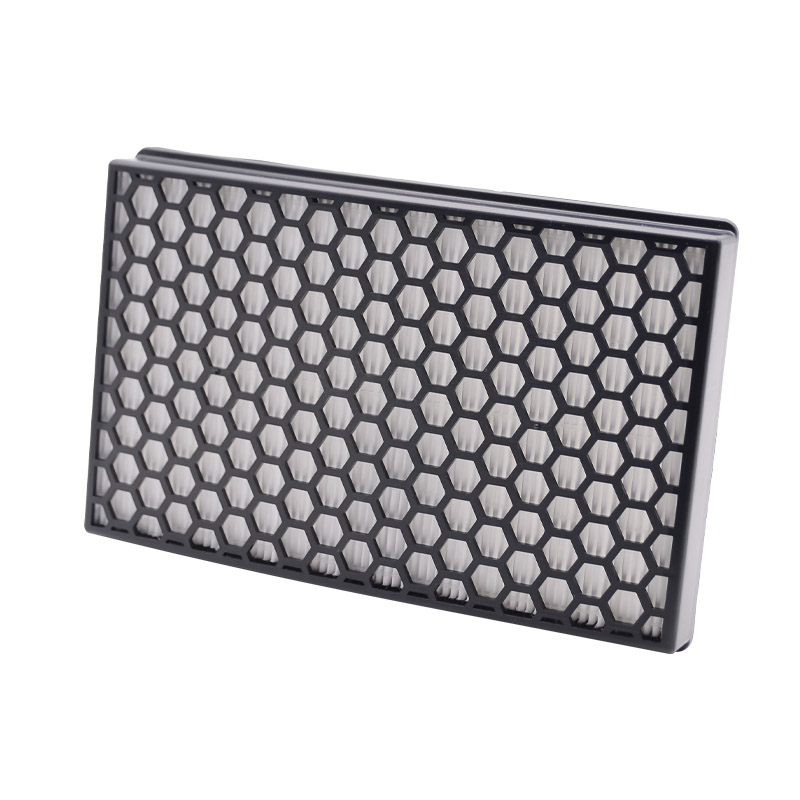
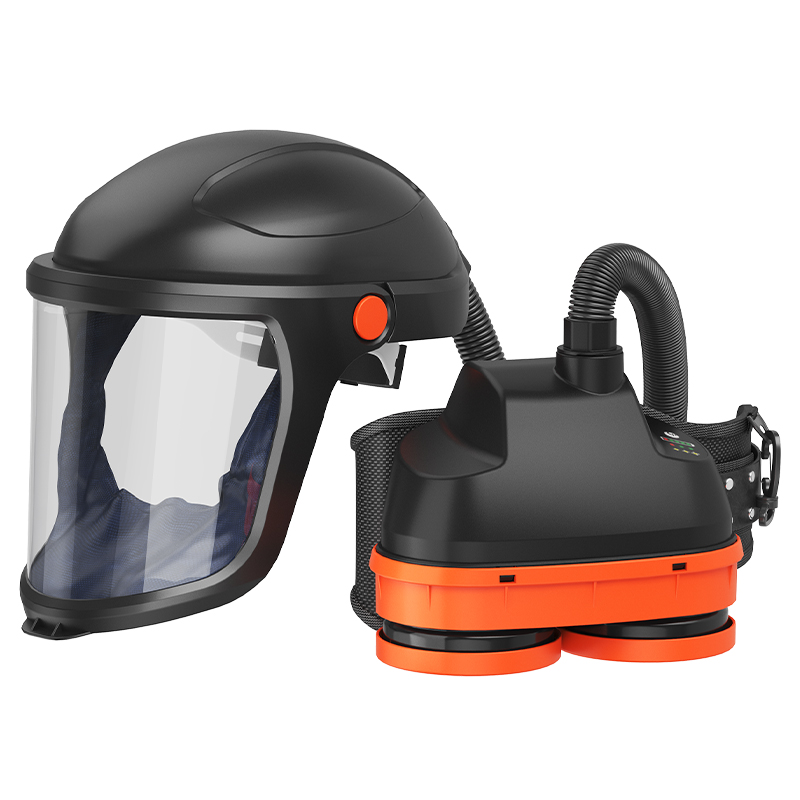
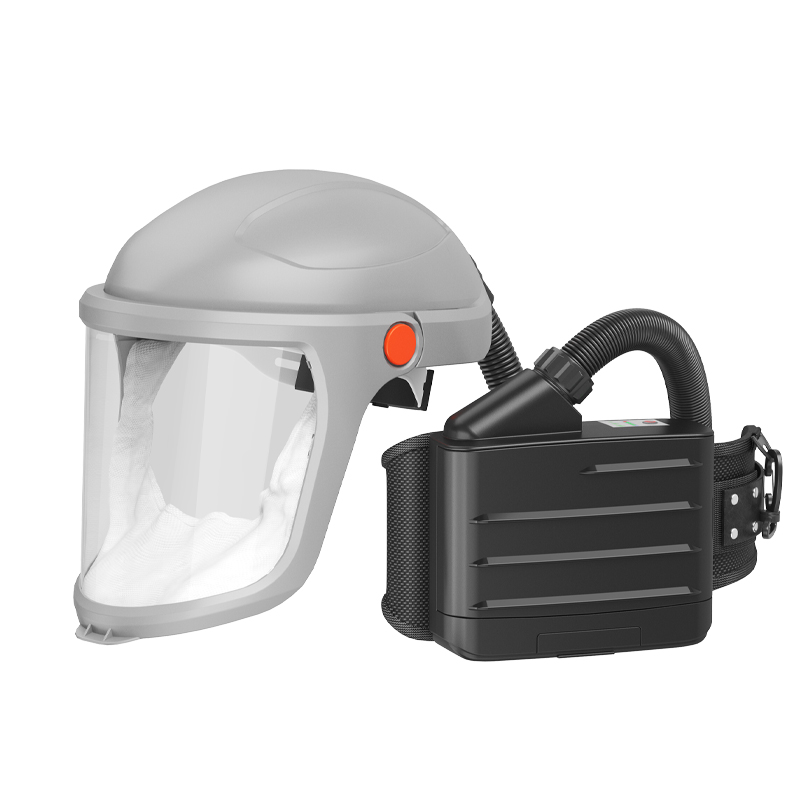
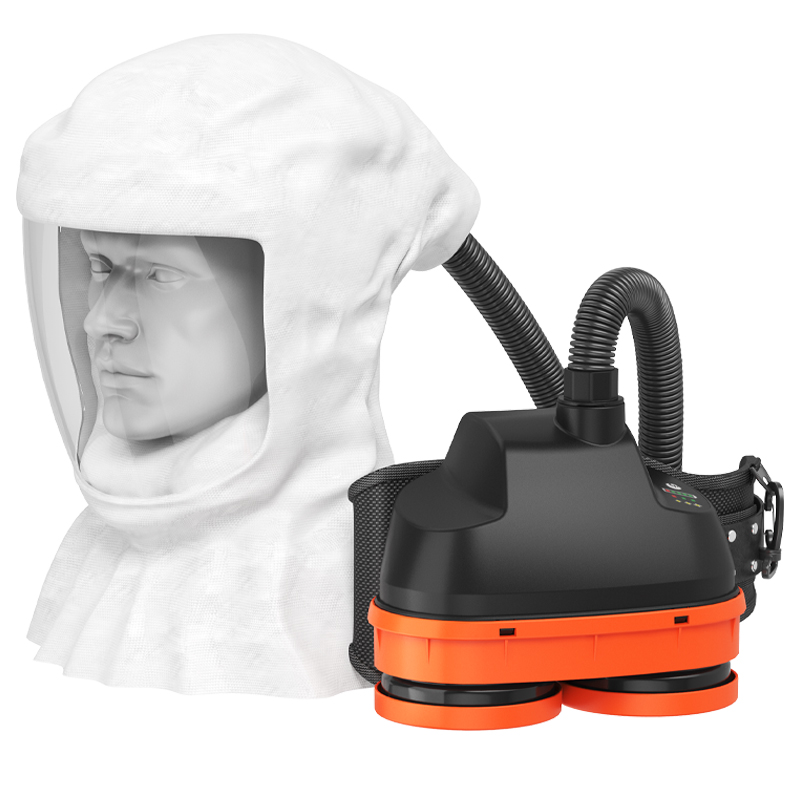
Bei der Autolackierung sind Glanz und Glätte der Lackoberfläche die wichtigsten Prozessziele, doch die potenziellen Schadstoffrisiken verdienen mehr Aufmerksamkeit. Vom Entfernen von Rost mit Grundierung über den Farbauftrag mit Basislack bis hin zur Versiegelung mit Klarlack entsteht in diesem gesamten Prozess eine doppelte Belastung: Zum einen entstehen Lacknebelpartikel mit einem Durchmesser von 0,1–5 Mikrometern, die direkt eingeatmet werden und sich in der Lunge ablagern können; zum anderen verdunsten organische Dämpfe aus Lacklösungsmitteln wie Toluol, Xylol, Ethylacetat und anderen flüchtigen organischen Verbindungen (VOCs), die nicht nur einen stechenden Geruch haben, sondern bei längerer Exposition auch das Nerven- und Atmungssystem schädigen können. Herkömmliche Staubmasken können nur große Partikel abfangen, während Aktivkohlemasken eine begrenzte Adsorptionskapazität aufweisen und schnell gesättigt sind. Nur Filterpatronen für giftige Gase mit ihrer gezielten Filterung können gleichzeitig Partikel und organische Dämpfe abfangen und bilden somit die wichtigste Schutzmaßnahme für die Autolackierung. Heute werden wir genauer darauf eingehen, warum giftige Gaspatronen für die Autolackierung unerlässlich sind und ob die beliebte A2P3-Patrone wirklich geeignet ist. Die für die Autolackierung charakteristische „zusammengesetzte Umweltverschmutzung“ führt dazu, dass giftige Gaspatronen keine „optionale Ausrüstung“, sondern eine „notwendige Konfiguration“ darstellen – insbesondere in Kombination mit einem batteriebetriebenes Atemschutzgerät (PAPR). Erstens sind die synergistischen Gefahren von Farbnebelpartikeln und organischen Dämpfen weitaus größer als die Gefahren einzelner Schadstoffe – Feinstaubpartikel wirken als Träger für organische Dämpfe, dringen tiefer in die Atemwege ein und verstärken die toxische Belastung. Herkömmliche Schutzausrüstung ist für beides nicht geeignet: Einlagige Staubmasken bieten keinen Schutz vor organischen Dämpfen, während reine Filterboxen für organische Dämpfe durch Farbnebel verstopfen, was zu einem starken Abfall der Filterleistung führt. Zweitens erfordert der kontinuierliche Betrieb von Lackieranlagen eine stabile und langlebige Schutzausrüstung. Filterpatronen gegen toxische Gase verfügen über eine zweischichtige Struktur aus Partikelvorfiltration und chemischer Adsorption: Farbnebel wird zunächst von der Vorfiltrationsschicht abgefangen, um ein Verstopfen der Adsorptionsschicht zu verhindern. Aktivkohle und andere Adsorptionsmittel binden organische Dämpfe effizient und gewährleisten so einen stabilen Schutz über Stunden hinweg in Kombination mit einem PAPR. Wichtiger noch: Die Filterpatronen für giftige Gase müssen professionelle Zertifizierungen bestehen, wobei ihre Filterleistung und ihr Schutzbereich streng geprüft werden, um die Sicherheits- und Konformitätsanforderungen bei Lackierarbeiten zu erfüllen. Die wichtigste Logik bei der Auswahl der richtigen Filterpatrone für giftige Gase besteht darin, Art und Konzentration der Schadstoffe genau zu berücksichtigen. Dies erfordert zunächst ein Verständnis der Codierungsregeln für Filterpatronen. Das Modell einer solchen Filterpatrone setzt sich üblicherweise aus Schutzartcode und Schutzstufe zusammen. Beispielsweise steht die gängige Bezeichnung „Klasse A“ für den Schutz vor organischen Dämpfen, „Klasse P“ für den Schutz vor Partikeln, und die Zahl nach dem Buchstaben gibt die Schutzstufe an (je höher die Zahl, desto höher die Stufe). Da die Hauptschadstoffe bei der Autolackierung organische Dämpfe und Lacknebelpartikel sind, sollte die Auswahl auf Filterpatronen mit kombiniertem Schutz gegen beides abzielen, anstatt auf Filterpatronen mit nur einer Funktion. Unter Berücksichtigung der Branchenpraxis und der Schadstoffcharakteristika ist die A2P3-Filterpatrone das am besten geeignete Basismodell für die Autolackierung. Darüber hinaus sind flexible Anpassungen erforderlich: Für Umgebungen mit hohen Konzentrationen, wie z. B. geschlossene Lackierkabinen, sollte auf A3P3 aufgerüstet werden; beim Lackieren mit wasserbasierten Lacken ist aufgrund der feineren Lacknebelpartikel die Schutzstufe P3 ausreichend, wobei A2P3 weiterhin als grundlegender Standard für den kombinierten Schutz dient. Die blinde Auswahl von Patronen mit nur einem Schadstofftyp oder geringer Schadstoffkonzentration ist gleichbedeutend mit einer „passiven Exposition“ gegenüber Umweltverschmutzungsrisiken. Als das „perfekt abgestimmte Modell“ für die Autolackierung – insbesondere in Kombination mit einem PAPR-AtemschutzsystemDie Anpassungsfähigkeit der A2P3-Filterpatrone beruht auf ihrer präzisen Abstimmung auf die Anforderungen der Lackierluft. Betrachten wir zunächst die Kernmerkmale des Modells: „A2“ steht für den Schutz vor organischen Dämpfen mittlerer Konzentration (gängige Lackierlösungsmittel wie Toluol, Xylol und Ethylacetat haben Siedepunkte über 65 °C und decken somit den Schutzbereich von A2 vollständig ab), und „P3“ erzielt eine hocheffiziente Partikelabscheidung (Filtrationseffizienz ≥ 99,95 %, mit einer nahezu 100%igen Abscheiderate für Lacknebelpartikel mit einer Größe von 0,1–5 Mikrometern). Hinsichtlich der Anwendbarkeit in verschiedenen Anwendungsszenarien – ob Ausbesserungsarbeiten in Autowerkstätten, Komplettlackierungen in kleinen Lackierbetrieben oder allgemeine Arbeiten mit gängigen Öl- oder Wasserlacken – liegt die Konzentration organischer Dämpfe meist im mittleren Bereich, und der Durchmesser der Lacknebelpartikel konzentriert sich auf 0,3–5 Mikrometer. Dies entspricht optimal den Schutzparametern der A2P3-Filterpatrone und der Luftzufuhrleistung eines Standard-PAPR-Systems. In der Praxis verhindert die zweischichtige Struktur aus Vorfiltrationsschicht und hocheffizienter Adsorptionsschicht das Verstopfen der Adsorptionsschicht und damit das Abfangen von Farbnebel. Dies verlängert die Betriebsdauer auf 4–8 Stunden und deckt somit die übliche Dauer von Lackierarbeiten ab. Ausnahme: Beim Spritzen hochkonzentrierter, lösemittelhaltiger Speziallacke (z. B. importierter Metallic-Lacke mit hohem Feststoffgehalt) oder bei Dauerbetrieb in vollständig geschlossenen Räumen ist ein Upgrade auf A3P3 erforderlich. In Kombination mit einem Gebläsefiltergerät (PAPR) bleibt A2P3 jedoch für über 90 % der üblichen Lackieranwendungen die beste Wahl. Nach Auswahl des Kernmodells A2P3 ist die korrekte Anwendung entscheidend für einen maximalen Schutz. Drei wichtige Punkte sind zu beachten: Erstens muss die passende Zusatzausrüstung verwendet werden – diese muss mit einem persönliches Luftreinigungsgerät Alternativ kann eine luftdichte Gasmaske verwendet werden, die einem Dichtigkeitstest unterzogen wird, um Leckagen auszuschließen und so zu vermeiden, dass die Filterpatrone zwar die Anforderungen erfüllt, aber keinen ausreichenden Schutz bietet. Zweitens ist ein Frühwarnsystem für Sättigung eingerichtet: Bei Lösemittelgeruch oder deutlich erhöhtem Atemwiderstand muss die Patrone sofort ausgetauscht werden, auch wenn die theoretische Nutzungsdauer noch nicht erreicht ist. Die maximale Nutzungsdauer von A2P3 bei mittlerer Konzentration beträgt in der Regel 8 Stunden. Drittens sind Lagerung und Wartung standardisiert: Ungeöffnete A2P3-Filterpatronen sind 3 Jahre haltbar. Nach dem Öffnen sollten sie, falls nicht verwendet, verschlossen und maximal 30 Tage gelagert werden. Sie müssen vor Feuchtigkeit und direkter Sonneneinstrahlung geschützt werden, um eine Beeinträchtigung der Adsorptionsleistung zu verhindern. Zusammenfassend lässt sich sagen, dass der Kern des Lackschutzes für Fahrzeuge in der präzisen Abstimmung auf die jeweilige Schadstoffbelastung liegt. Dank der optimalen Kombination aus organischen Dämpfen und hocheffizienten Partikeln ist die A2P3-Filterpatrone für die meisten Anwendungsfälle das am besten geeignete Modell. Basierend auf A2P3 und durch flexible Anpassung an die jeweilige Schadstoffkonzentration kann die Filterpatrone für giftige Gase zu einem echten Schutzschild für Lackierer werden.Wenn Sie mehr erfahren möchten, klicken Sie bitte hier.www.newairsafety.com.
MEHR LESEN






 IPv6-Netzwerk unterstützt