Jan 20, 2026
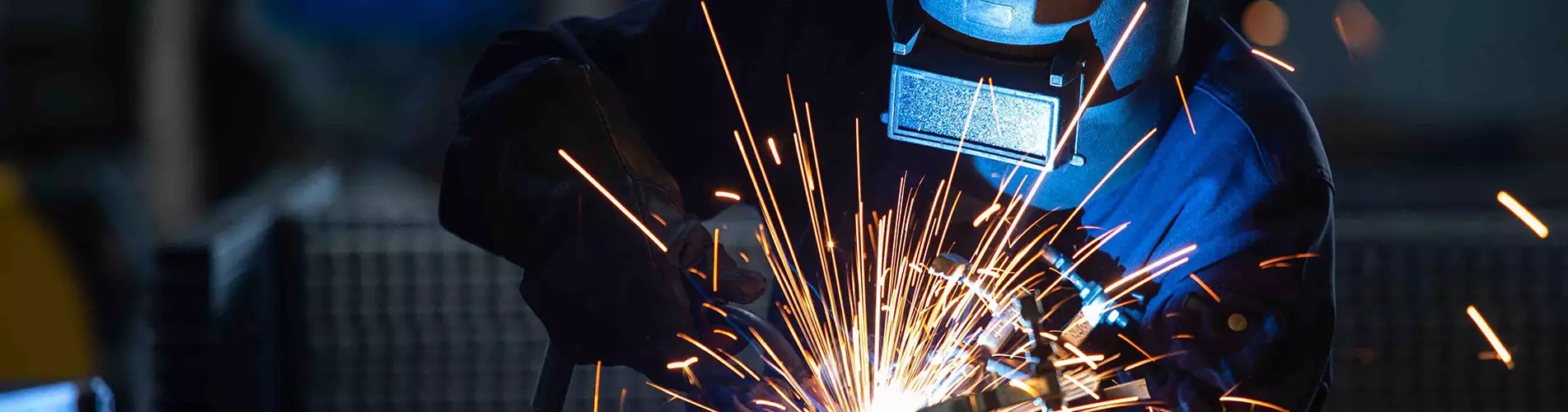
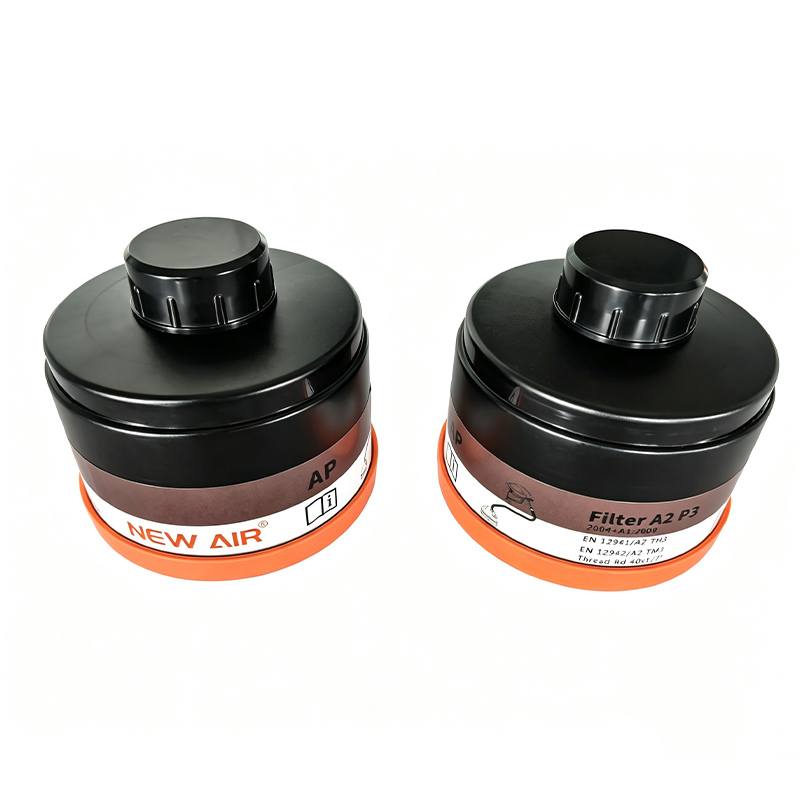
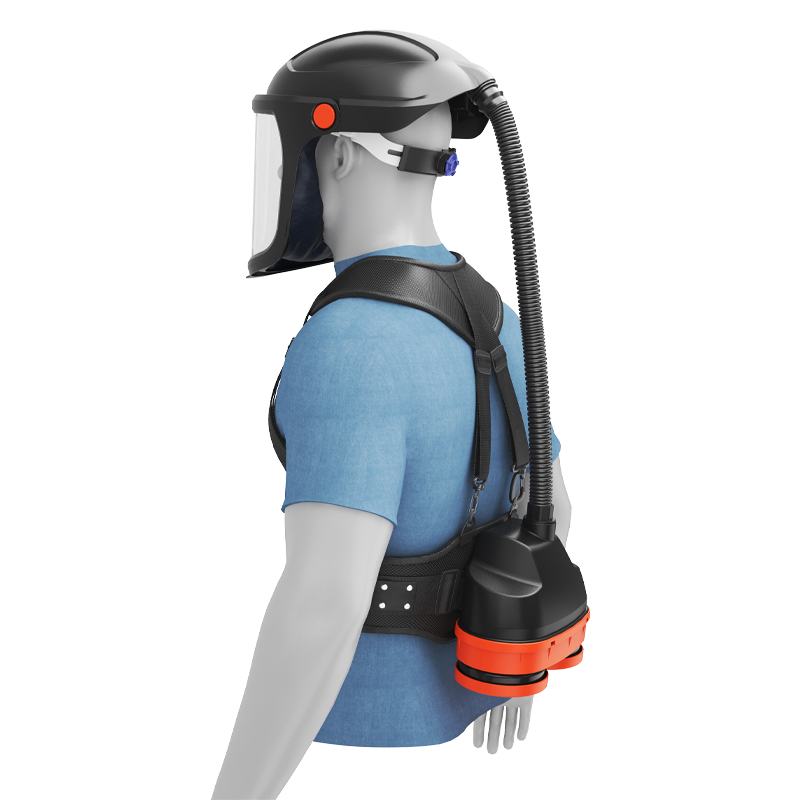
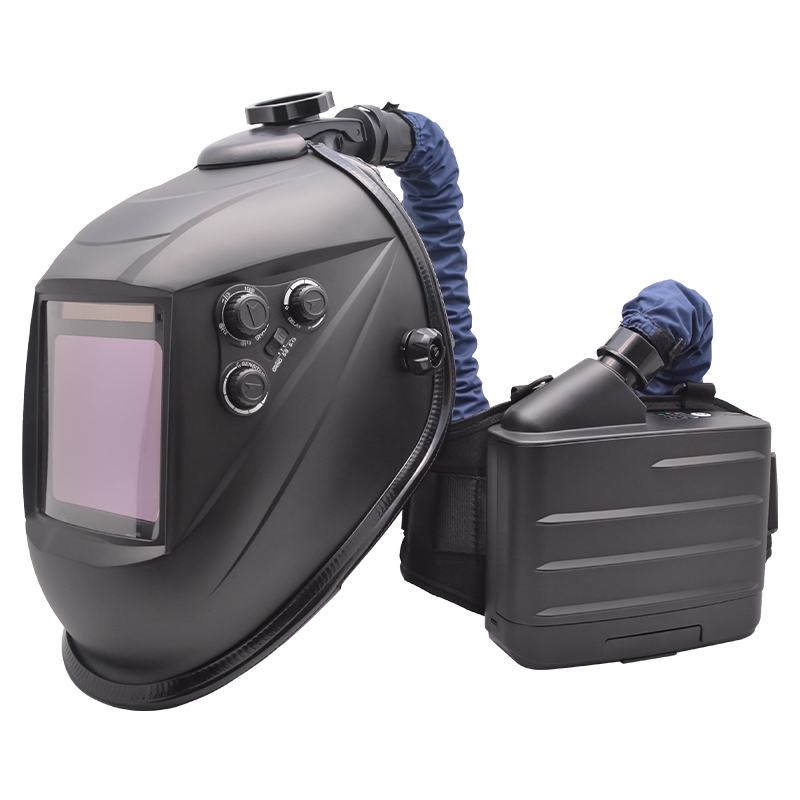
Abbrucharbeiten finden in komplexen und wechselhaften Umgebungen statt. Vom Abriss alter Gebäudewände bis zur Demontage von Industrieanlagen sind Schadstoffe wie Staub, schädliche Gase und flüchtige organische Verbindungen (VOCs) allgegenwärtig und stellen extrem hohe Anforderungen an den Atemschutz der Arbeiter. batteriebetriebenes Atemschutzgerät Gebläseunterstützte Atemschutzgeräte (PAPR) sind aufgrund ihrer Vorteile wie Überdruckschutz und geringer Atembelastung zu einer unverzichtbaren Schutzausrüstung bei Abbrucharbeiten geworden. Allerdings eignen sich nicht alle PAPR für alle Einsatzszenarien; die Auswahl des richtigen Typs ist daher entscheidend für einen zuverlässigen Atemschutz. Im Vergleich zu herkömmlichen Unterdruck-Atemschutzgeräten fördern PAPR die Luft aktiv mittels eines Ventilators. Dies reduziert nicht nur die Atemermüdung bei intensiven Arbeiten, sondern verhindert auch das Austreten von Schadstoffen durch den Überdruck im Inneren der Maske und verbessert so die Schutzwirkung deutlich. Für allgemeine, staubintensive Abbrucharbeiten sind partikelfiltrierende Atemschutzgeräte mit Gebläseunterstützung (PAPR) empfehlenswert. Solche Arbeiten umfassen üblicherweise den Abbruch von Beton, Mauerwerk, Holz und anderen Bauteilen, wobei lungengängiger Staub – insbesondere Feinstaub der Partikelgröße PM2,5 – der Hauptschadstoff ist. Langfristiges Einatmen kann leicht zu einer Lungenentzündung (Pneumokoniose) führen. Bei der Auswahl eines Modells sollten hocheffiziente Partikelfilter verwendet werden, und die Maske kann je nach den Anforderungen an die Einsatzflexibilität gewählt werden. Für Arbeiten im Freien, wie z. B. das Einreißen von Wänden und das Entfernen von Fußböden, eignen sich luftgespeiste Hauben-PAPR besser. Sie erfordern keinen Dichtsitztest, bieten eine hohe Anpassungsfähigkeit und können auch Kopfaufprallschutz bieten. Für enge Arbeitsbereiche mit extrem hohen Staubkonzentrationen empfiehlt sich die Verwendung eng anliegender Vollgesichts-PAPR mit einer minimalen Luftdurchsatzrate von mindestens 95 l/min, die eine dichte Abdichtung am Gesicht gewährleisten und so das Eindringen von Staub durch Spalten verhindern. Für Abbrucharbeiten mit schädlichen Gasen sind Atemschutzgeräte mit kombinierter Filterung erforderlich. Beim Abriss alter Gebäude werden flüchtige organische Verbindungen wie Formaldehyd und Benzol aus Farben und Lacken freigesetzt, während beim Rückbau von Industrieanlagen giftige Gase wie Ammoniak und Chlor entstehen können. In solchen Fällen reicht ein reines Partikelfilter-Atemschutzgerät nicht aus. Es sollten Doppelfilterelemente (Partikel + Gase/Dämpfe) verwendet werden, die präzise nach Schadstoffart ausgewählt werden: Aktivkohlefilterpatronen für organische Dämpfe und chemische Adsorptionsfilter für saure Gase. Für diese Anwendungsfälle sind dicht schließende Atemschutzgeräte mit Überdruck empfehlenswert. In Kombination mit einer Druckluftzufuhr filtern sie nicht nur effektiv schädliche Gase, sondern reduzieren durch die kontinuierliche Luftzufuhr auch Schadstoffrückstände in der Maske und vermeiden gleichzeitig Vergiftungsrisiken durch Leckagen. Spezielle Szenarien erfordern eine gezielte Auswahl dedizierter locker sitzende, motorbetriebene AtemschutzgeräteDer Abriss asbesthaltiger Bauteile ist ein risikoreicher Vorgang – eingeatmete Asbestfasern verursachen irreversible Lungenschäden. Es müssen Atemschutzgeräte mit Gebläseunterstützung (PAPR) verwendet werden, die den Asbestschutzstandards entsprechen und mit hocheffizienten HEPA-Filtern kombiniert sind. Zusätzlich sind Hauben erforderlich, um ein Austreten von Fasern durch unsachgemäßes Tragen dicht sitzender Masken zu verhindern. Die Haube muss zusammen mit Chemikalienschutzanzügen getragen werden, um einen Ganzkörperschutz zu gewährleisten. Bei Abrissarbeiten in beengten Räumen wie Kellern und Rohrleitungsschächten muss vorab der Sauerstoffgehalt geprüft werden. Liegt die Sauerstoffkonzentration bei mindestens 19 % (keine IDLH-Umgebung), können tragbare PAPR mit Überdruck in Verbindung mit einer Zwangslüftung eingesetzt werden. Besteht die Gefahr eines Sauerstoffmangels, müssen Druckluft-Atemschutzgeräte anstelle von PAPR verwendet werden. Die Auswahl des PAPR-Systems muss ein Gleichgewicht zwischen Normenkonformität und praktischer Einsatzfähigkeit finden. Anpassungen sollten auch an die Arbeitsintensität angepasst werden: Die meisten Abbrucharbeiten sind von mittlerer bis hoher Intensität, daher Gebläseunterstütztes Atemschutzgerät TH3 Sie reduzieren die Atembelastung effektiver und verhindern, dass die Arbeiter die Schutzausrüstung aufgrund von Ermüdung ablegen müssen. Die Akkulaufzeit muss der Betriebsdauer entsprechen – für längere Einsätze im Freien werden Modelle mit austauschbaren Akkus empfohlen, um einen unterbrechungsfreien Schutz zu gewährleisten. Darüber hinaus müssen die Filterelemente unbedingt nach Plan ausgetauscht werden: Gasfilterpatronen sollten innerhalb von 6 Monaten nach dem Öffnen oder sofort bei Geruchsbildung oder erhöhtem Widerstand ausgetauscht werden, um einen Ausfall des Schutzes zu vermeiden. Abschließend sei darauf hingewiesen, dass PAPRs keine universelle Schutzausrüstung darstellen und ihre Verwendung auf einer umfassenden Risikobewertung basieren muss. Vor Abbrucharbeiten sollten vor Ort Tests durchgeführt werden, um Schadstoffarten, -konzentrationen und Umgebungsbedingungen zu ermitteln. Anschließend ist der geeignete PAPR-Typ für die jeweilige Situation auszuwählen. Nur durch die korrekte Auswahl und Anwendung von PAPRs kann bei komplexen Abbrucharbeiten eine zuverlässige Barriere für die Atemwegsgesundheit geschaffen und ein Gleichgewicht zwischen betrieblicher Effizienz und Sicherheitsschutz hergestellt werden. Für weitere Informationen klicken Sie bitte hier. www.newairsafety.com.
MEHR LESEN




 IPv6-Netzwerk unterstützt