Jan 01, 2026
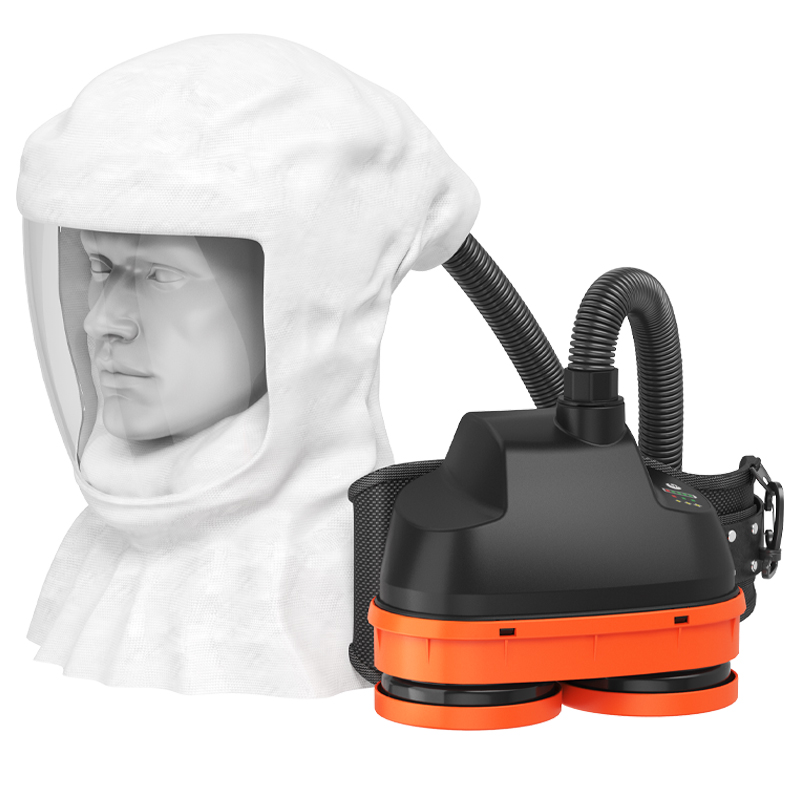
In der Erdölraffinerieindustrie bergen die hohen Temperaturen, der hohe Druck und die kontinuierlichen Reaktionsprozesse ein hohes Gesundheitsrisiko für die Beschäftigten. Von der Entkohlung von Cracköfen bis zur Wartung von Hydroprocessing-Anlagen, von Arbeiten in beengten Räumen bis zu täglichen Inspektionen sind giftige und schädliche Substanzen wie Schwefelwasserstoff, Benzol und Schwermetallkatalysatorstaub allgegenwärtig. Atemschutz ist daher die wichtigste Schutzmaßnahme für die Sicherheit der Arbeiter. Als effiziente Atemschutzausrüstung… Vollgesichts-PAPR-Atemschutzgerät ist nicht länger ein optionales „Bonus-Feature“, sondern eine „Standardkonfiguration“ für die sichere Produktion in Raffinerien; wichtiger noch: Aufgrund der großen Unterschiede bei den Gefahren in den verschiedenen Betriebsszenarien müssen Raffinerien auch mehrere Arten von PAPR einsetzen, um einen präzisen Schutz zu erreichen und eine solide Sicherheitsverteidigung aufzubauen. Die Atemwegsgefahren in Raffinerien sind komplex und lebensbedrohlich, und herkömmliche Schutzausrüstung ist schwer zu handhaben. Bei der Rohölverarbeitung entstehen hochgiftige Gase wie Schwefelwasserstoff und Ammoniak. Schwefelwasserstoff riecht in niedrigen Konzentrationen nach faulen Eiern, kann aber in hohen Konzentrationen die Riechnerven schnell lähmen und zu einem plötzlichen Koma oder sogar zum Tod führen. Gleichzeitig erschwert die durch flüchtige organische Verbindungen (VOCs) wie Benzol und Toluol in Verbindung mit Katalysatorstaub entstehende Staub-Toxin-Mischung den Schutz zusätzlich. Herkömmliche selbstansaugende Gasmasken basieren auf passiver Adsorption und Filtration, wobei die Schutzwirkung der Gasfilterpatrone begrenzt ist. Sie sind anfällig für plötzliches Eindringen von Schadstoffen in Umgebungen mit hohen Konzentrationen oder komplexen Gemischen und weisen einen hohen Atemwiderstand auf. Längeres Tragen kann zu Erschöpfung der Arbeiter führen und die Betriebssicherheit erheblich beeinträchtigen. Die aktive Luftzufuhr und der kontinuierliche Überdruck des PAPR verbessern die Schutzzuverlässigkeit grundlegend und schaffen die Basis für seinen Einsatz in verschiedenen Anwendungsbereichen. Anders als herkömmliche Schutzausrüstung versorgt der PAPR die Maske oder Haube aktiv mit Luft durch einen batteriebetriebenen Ventilator. Dieser hält einen stabilen Überdruck im Inneren aufrecht – selbst bei geringfügigen Dichtungslücken durch Gesichtsbewegungen strömt saubere Luft nach außen und blockiert so vollständig das Eindringen giftiger und schädlicher Substanzen. Ein weiterer zentraler Vorteil ist das modulare Filtersystem: Dank dieses Designs ist es möglich, … Überdruck-Atemschutzgerät Die präzise Auswahl und Abstimmung von Filterkomponenten anhand der Risikobewertungsergebnisse verschiedener Betriebsabläufe ermöglicht die Entwicklung mehrerer adaptiver Filtertypen und gewährleistet so einen exakten Schutz nach dem Prinzip „ein Gerät für ein bestimmtes Szenario“. Dies ist auch die wichtigste technische Unterstützung für Raffinerien, die mehrere PAPR-Typen einsetzen müssen. Die Vielfalt der Betriebsszenarien und die unterschiedlichen Gefahren in Raffinerien bedingen den Einsatz verschiedener Arten von Atemschutzgeräten. Hinsichtlich der Gefahrenarten gibt es hochgiftige Gase wie Schwefelwasserstoff und Benzol, Feinstaub wie Katalysatorstaub und Asphaltrauch sowie komplexere Mischbelastungen aus Staub und Schadstoffen. Hinsichtlich der Umgebungsbedingungen existieren sowohl normale Inspektionsbereiche als auch explosionsgefährdete Bereiche mit brennbaren Stoffen, wie z. B. geschlossene Räume und Lagertanks. Am Beispiel von Arbeiten in geschlossenen Räumen (z. B. in Abhitzekesseln und Reaktoren) lässt sich zeigen, dass eigensichere Atemschutzgeräte mit ATEX- oder IECEx-Zertifizierung zum Explosionsschutz eingesetzt werden müssen, um Explosionen durch elektrische Funken des Motors zu vermeiden. Entkohlungsarbeiter in katalytischen Crackanlagen sind Mischbelastungen aus Staub und Schadstoffen ausgesetzt und benötigen Atemschutzgeräte mit hocheffizienter Staub- und Gasfiltration. Inspektionsarbeiter auf Ölförderanlagen hingegen müssen sich lediglich vor Rohölstaub schützen und können einfache Atemschutzgeräte mit Staubfilterung wählen. Wird nur ein einziger PAPR-Typ verwendet, führt dies entweder zu Sicherheitsunfällen aufgrund unzureichenden Schutzes oder zu erhöhten Nutzungskosten und einem höheren Betriebsaufwand aufgrund funktionaler Redundanz. Aus Sicht der Branchenpraxis ist die Popularisierung von persönliches Atemschutzgerät Die Verwendung verschiedener Atemschutzgeräte ist in modernen Raffinerien mittlerweile Standard. Ob Wartungs- und Tankreinigungskräfte explosionsgeschützte Atemschutzgeräte benötigen, Mitarbeiter der katalytischen Crackanlage und Schwefelrückgewinnungsanlagen mit kombinierten Staub- und Gasfiltern oder Kesselreinigungs- und Lagerarbeiter mit einfachen Staubfiltern – die verschiedenen Atemschutzgeräte decken die jeweiligen Schutzanforderungen präzise ab. In der heutigen, hochqualitativen Raffinerieindustrie hat Sicherheit höchste Priorität. Der Einsatz von Atemschutzgeräten ist die Grundvoraussetzung zum Schutz vor Atemwegsgefahren, und die Verwendung verschiedener Geräte ist unerlässlich für einen umfassenden und präzisen Schutz. Nur die Kombination beider Aspekte gewährleistet die Atemwegssicherheit der Mitarbeiter an vorderster Front und spiegelt das hohe Sicherheitsniveau des Unternehmens wider.Wenn Sie mehr erfahren möchten, klicken Sie bitte hier.www.newairsafety.com.
MEHR LESEN





 IPv6-Netzwerk unterstützt