



PAPR
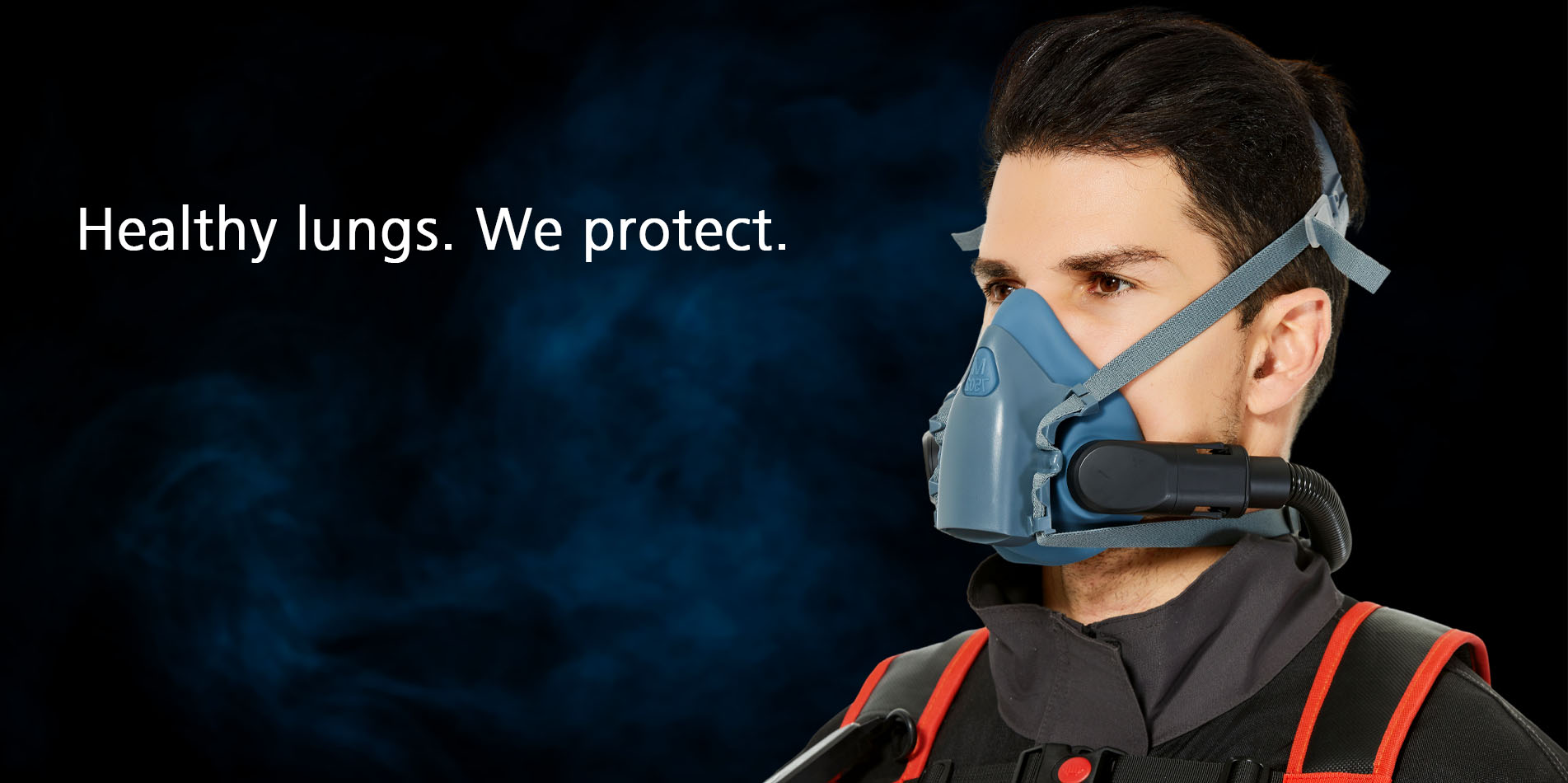
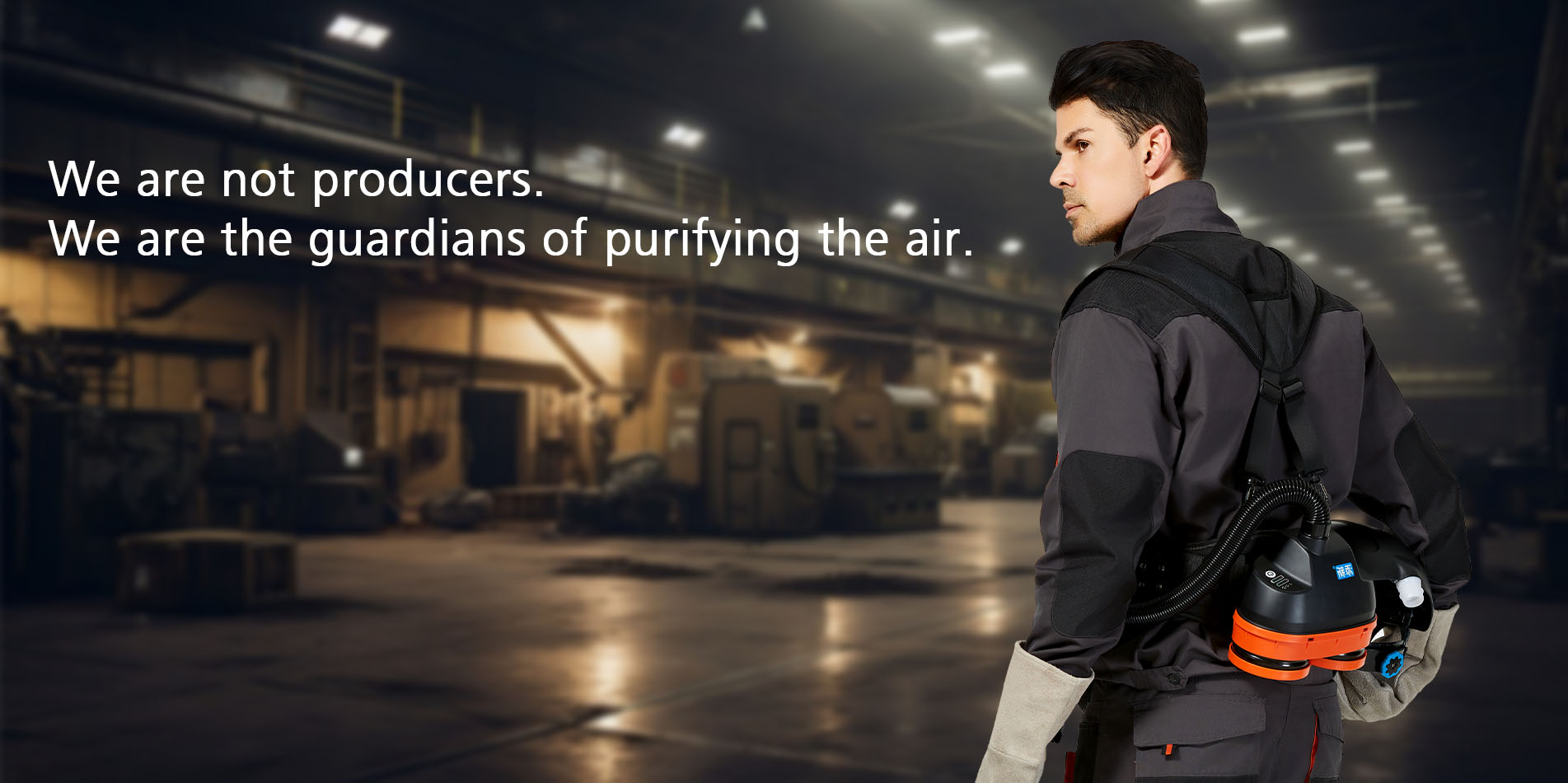
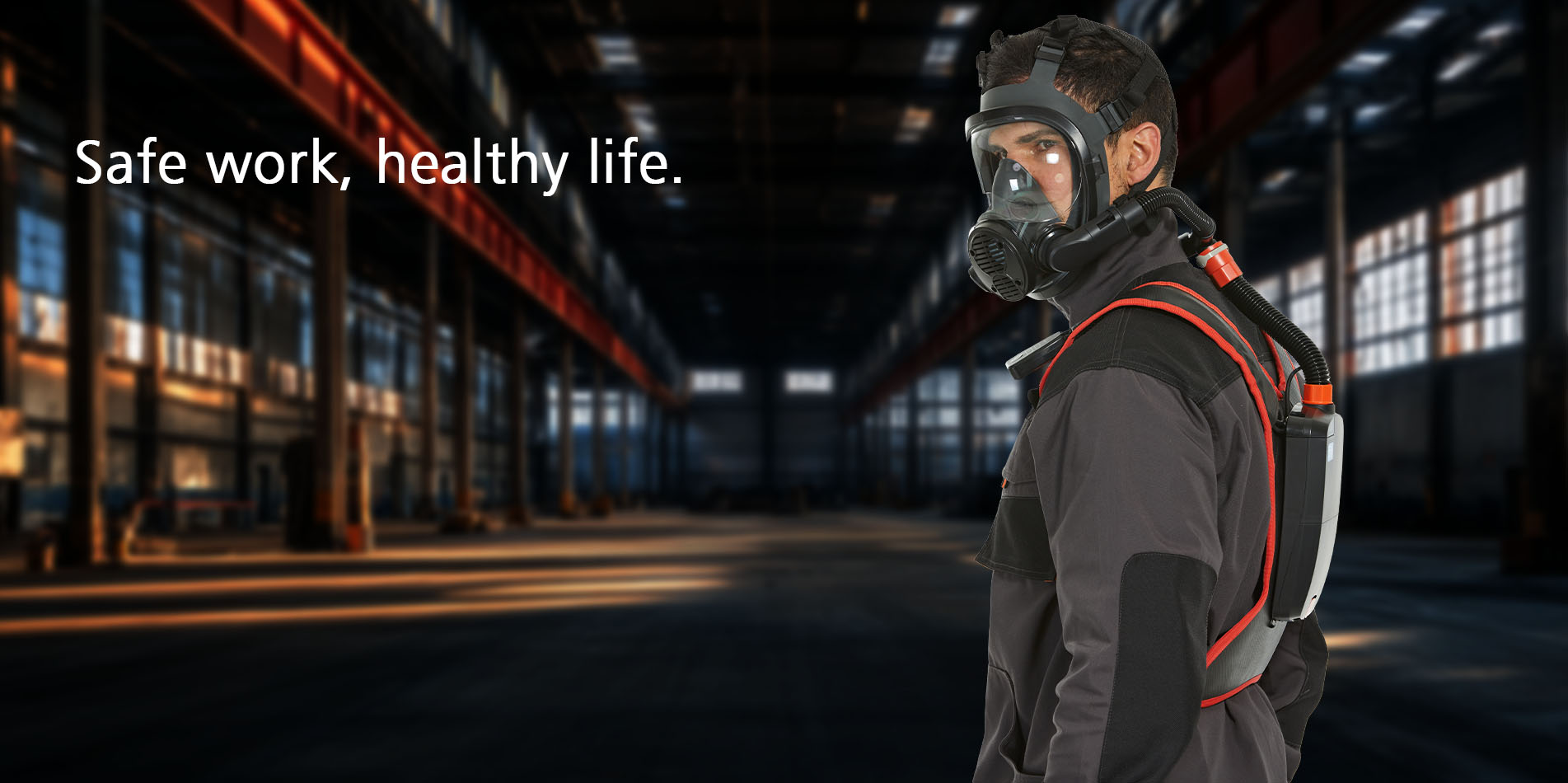
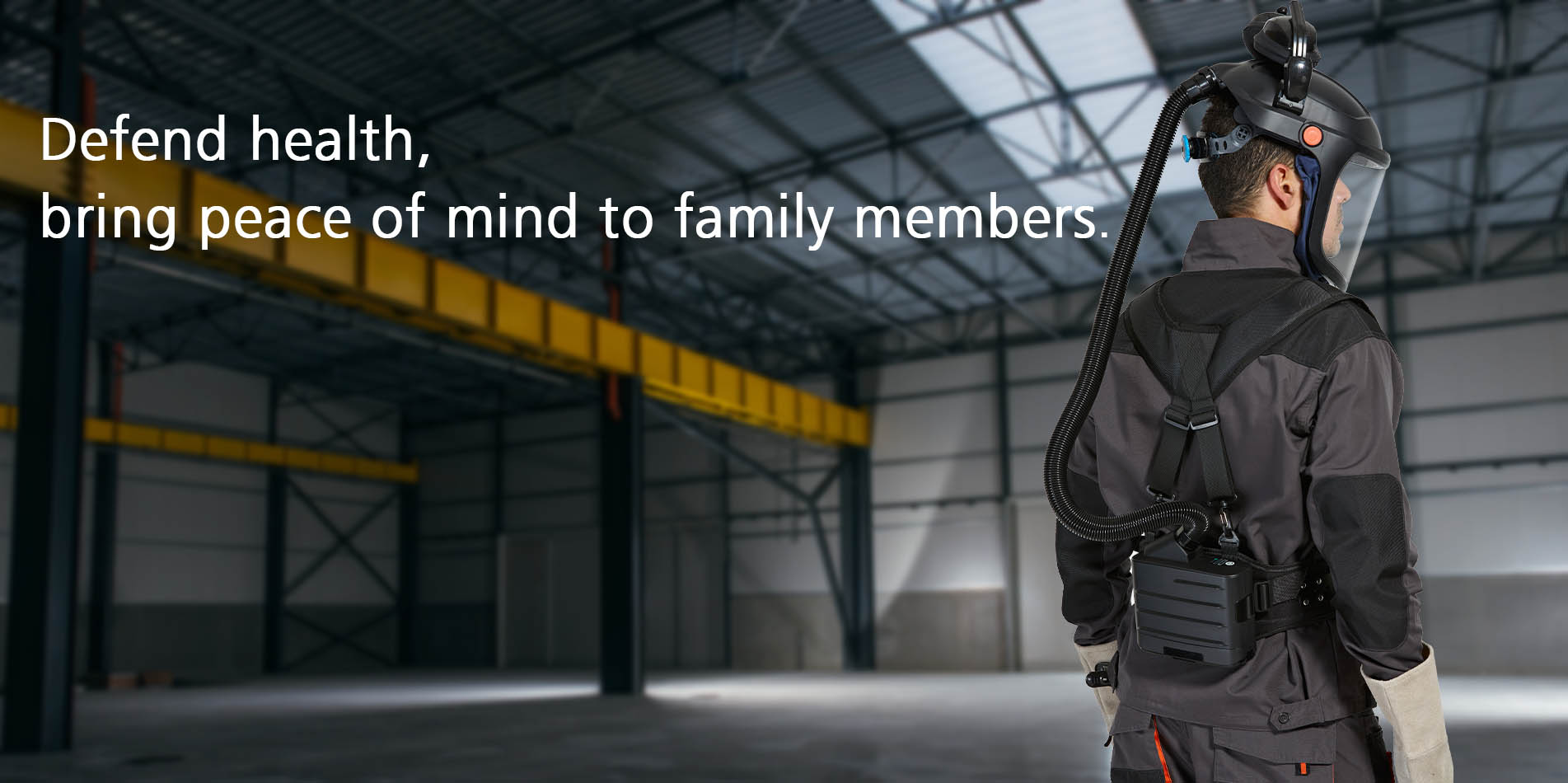
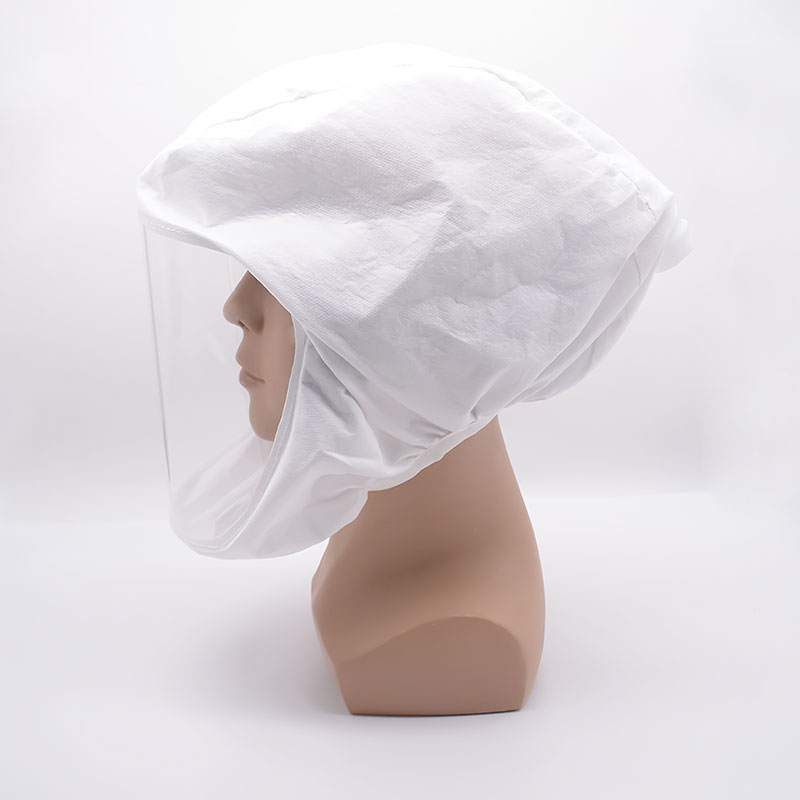
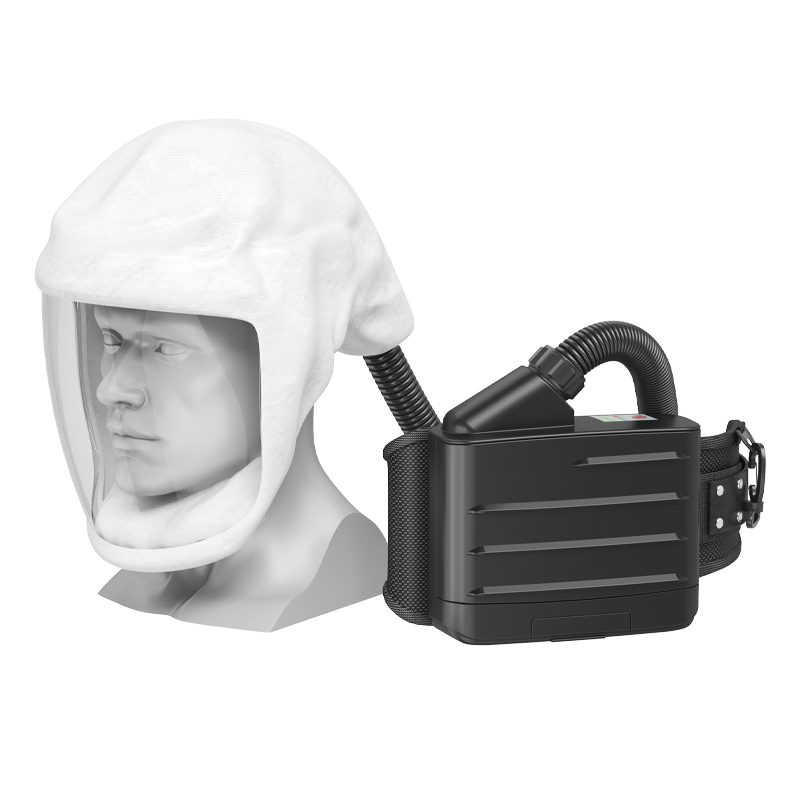
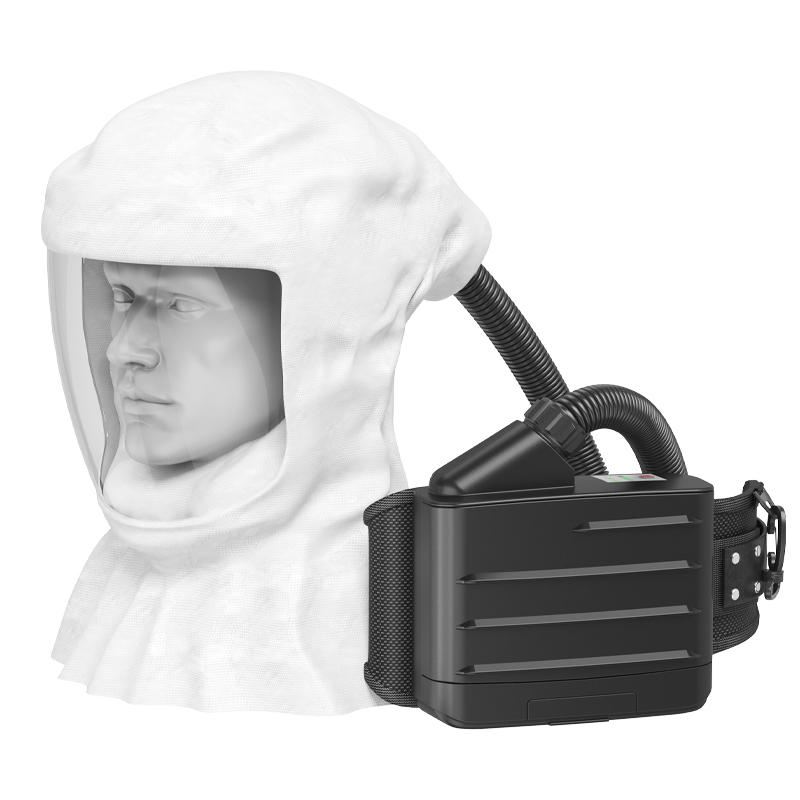
Locker sitzendPAPR-Hauben Primair Losse Fitting-KopfabdeckungEine locker sitzende TH3-Haube für Gebläseluftsysteme
MEHR LESEN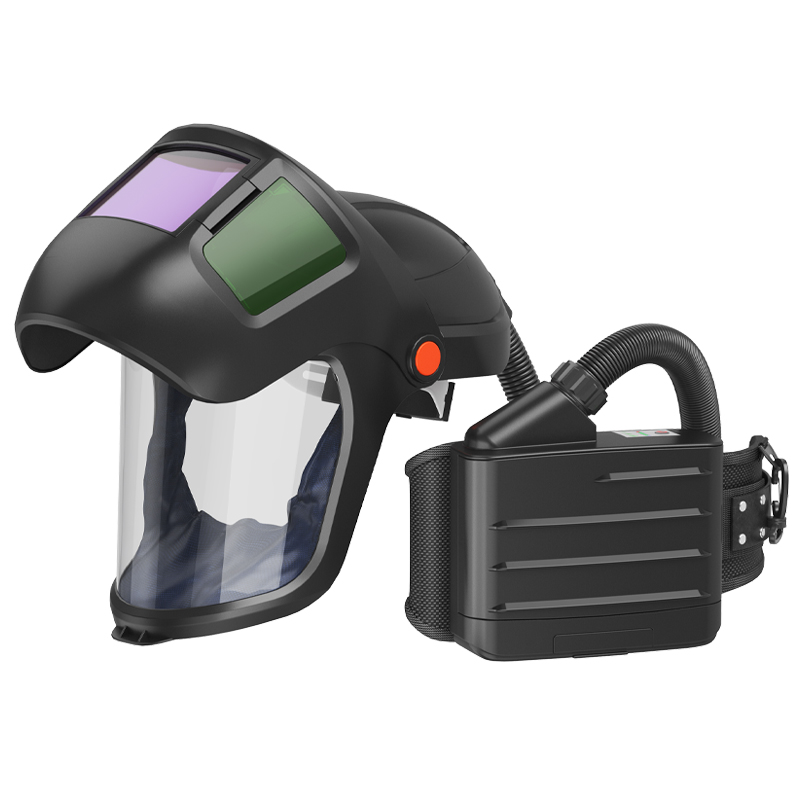
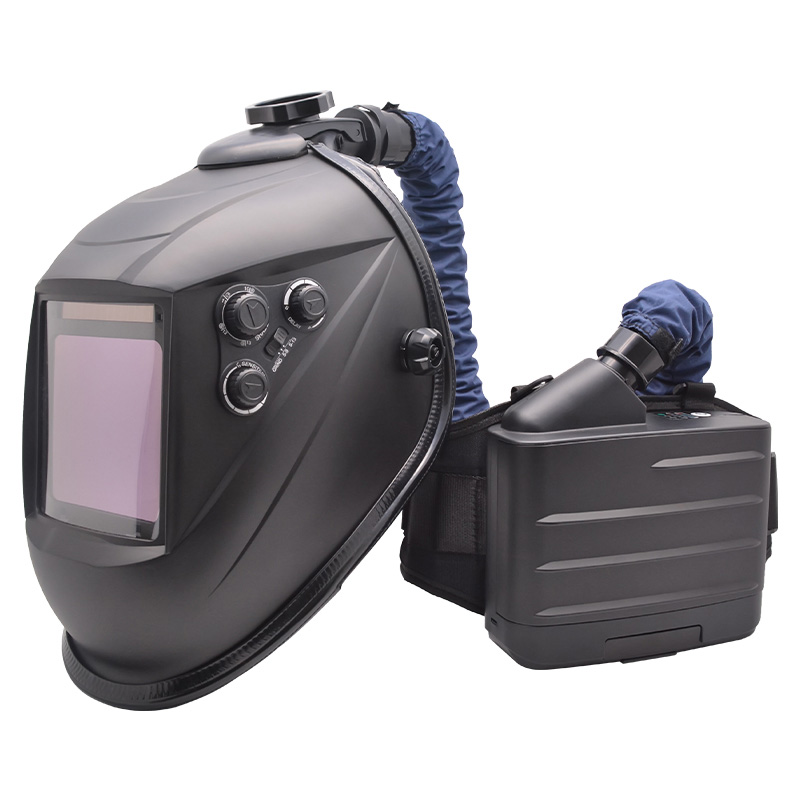
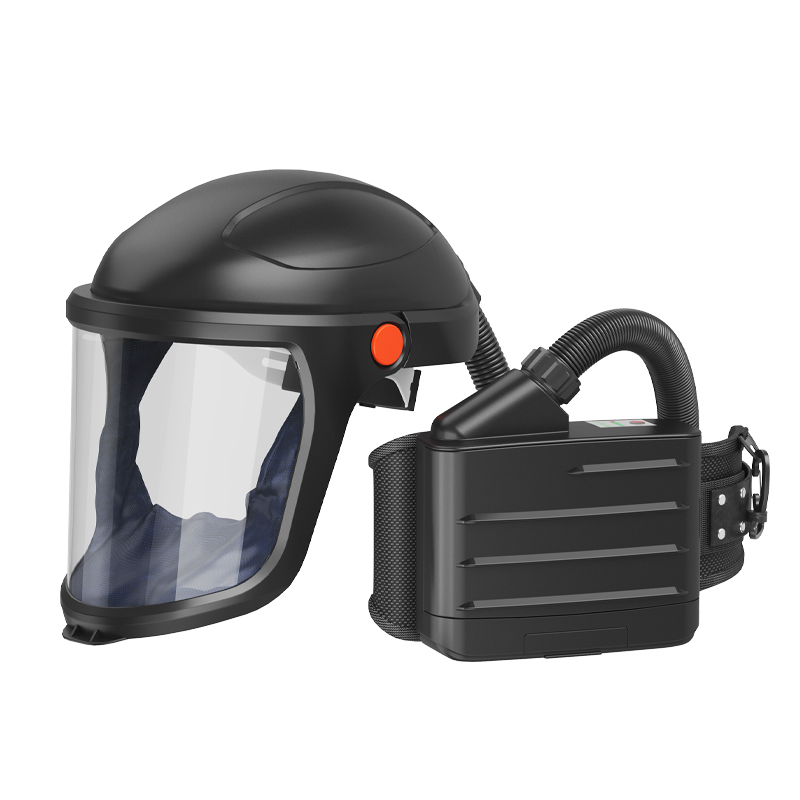
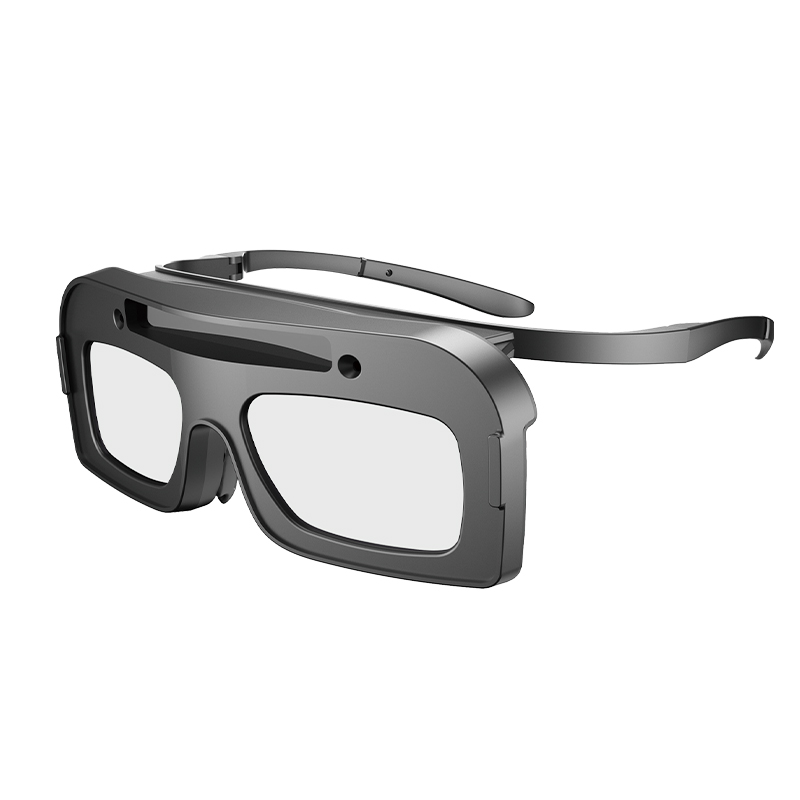
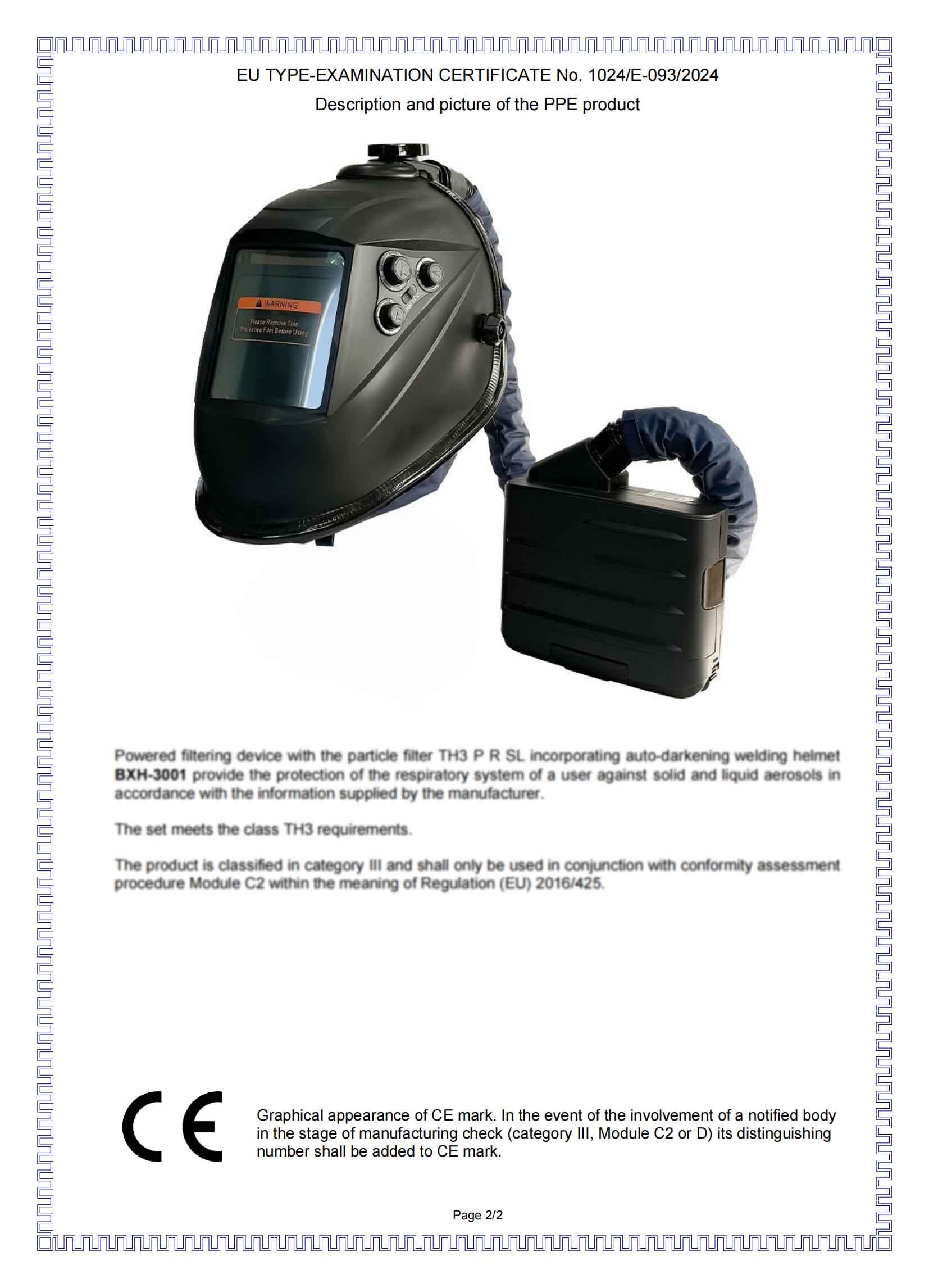
Dieser moderne Klappschweißhelm verfügt über eine automatisch abdunkelnde Linse für optimalen Augenschutz und Sicht beim Schweißen. Integriert mit einem PAPR-System, das mit EN12941 TH3PRSL-StandardsEs bietet ein hohes Maß an Atemschutz und gewährleistet Sicherheit und Komfort in anspruchsvollen Arbeitsumgebungen.
MEHR LESEN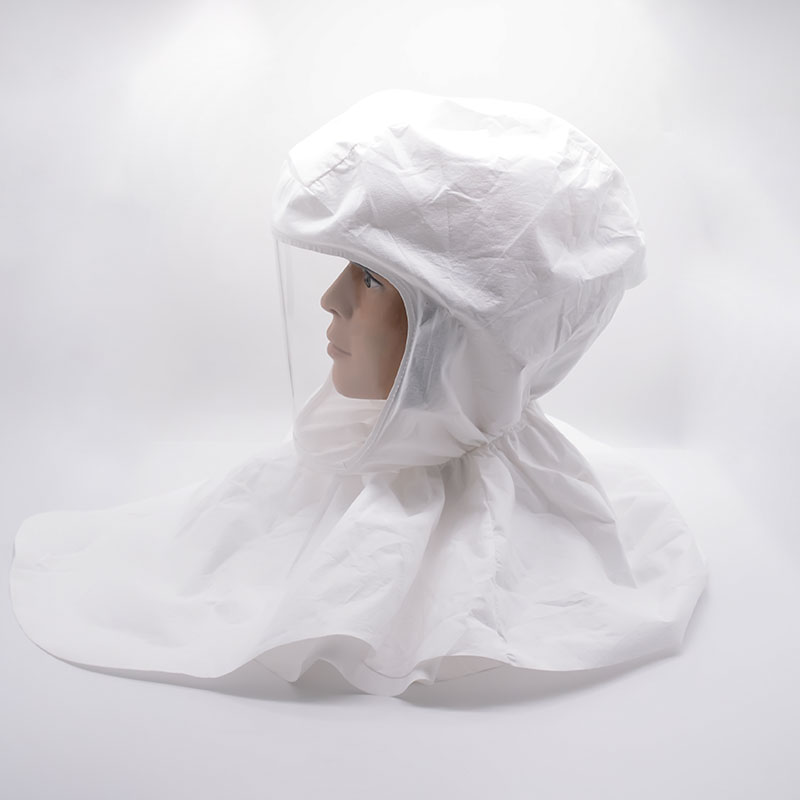
Locker sitzendPAPR-Hauben Primair Losse Fitting-KopfabdeckungEine locker sitzende TH3-Haube für Gebläseluftsysteme
MEHR LESEN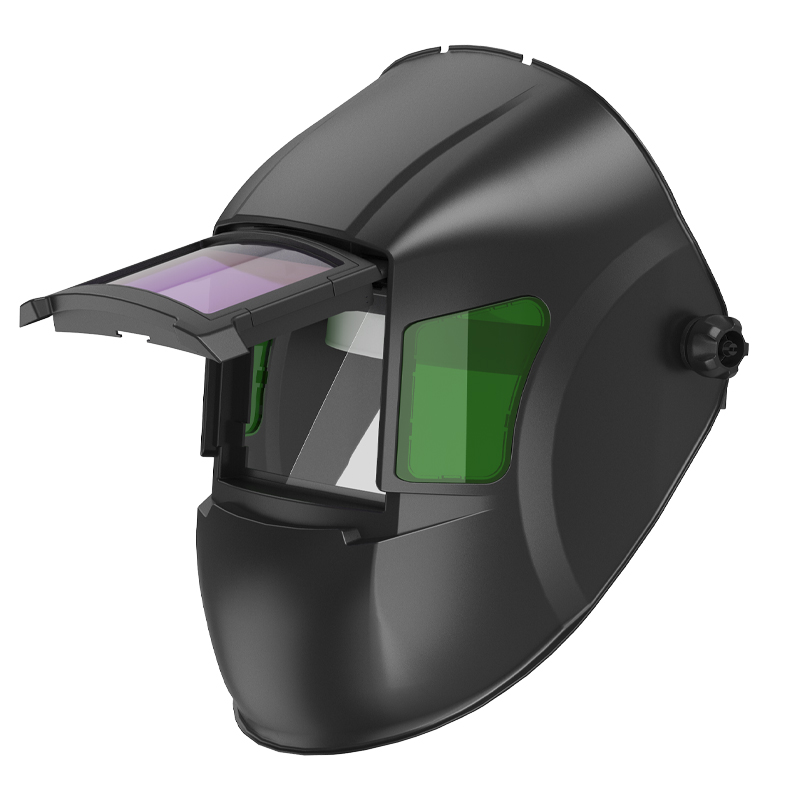
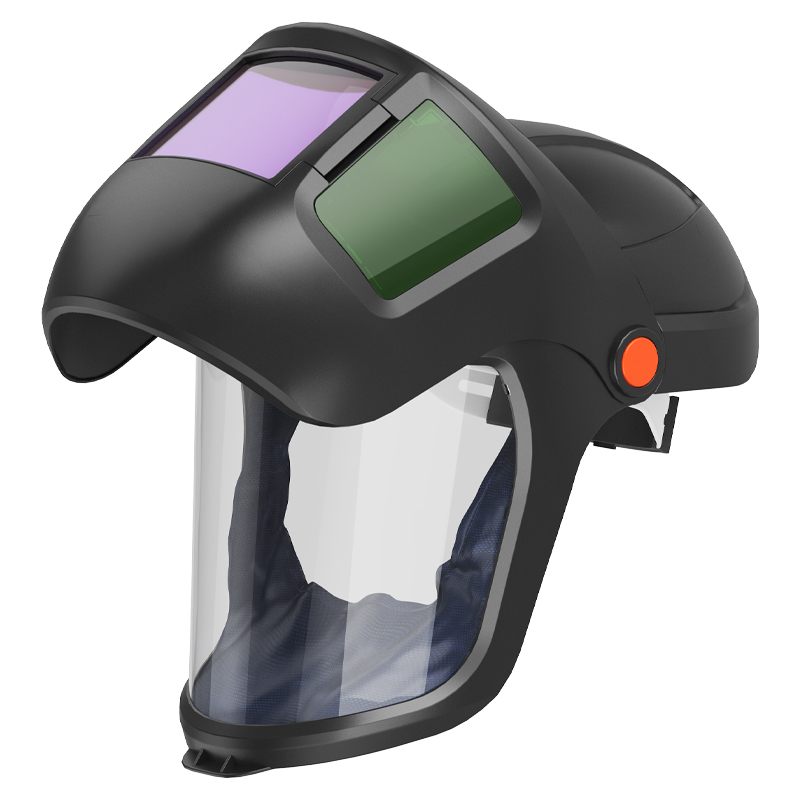
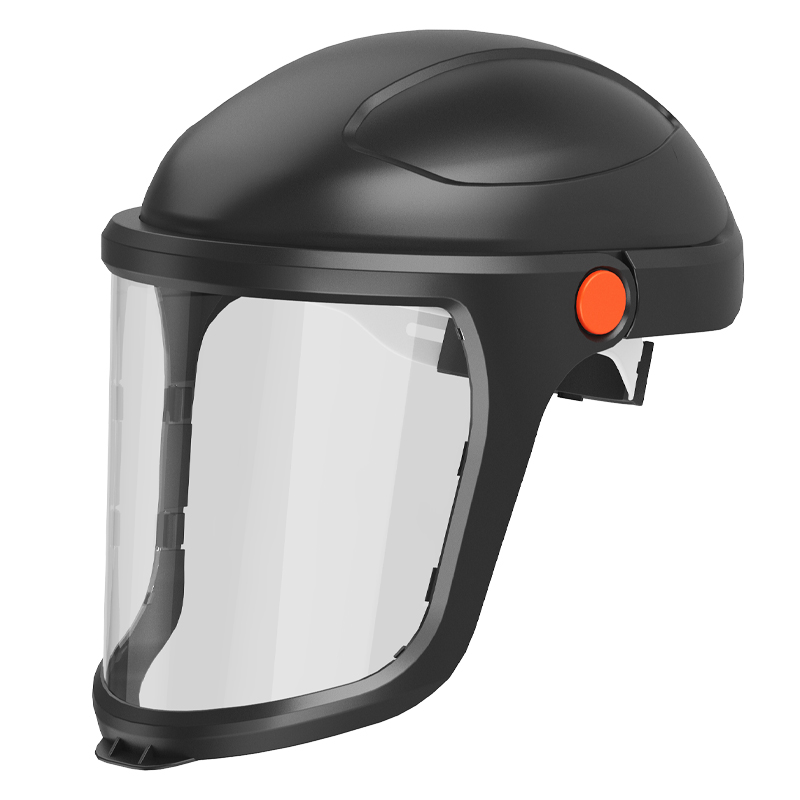
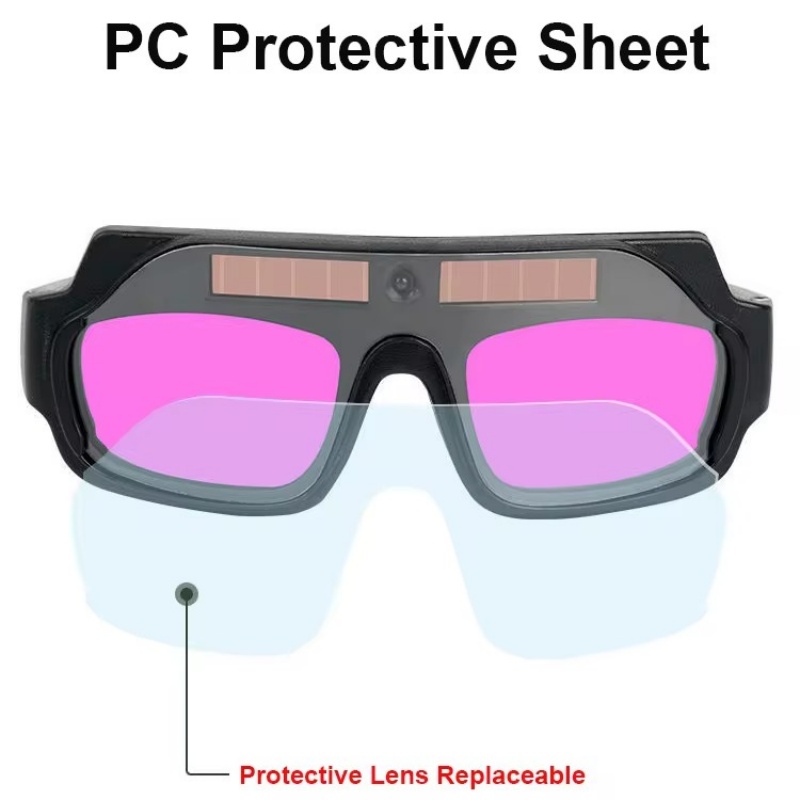
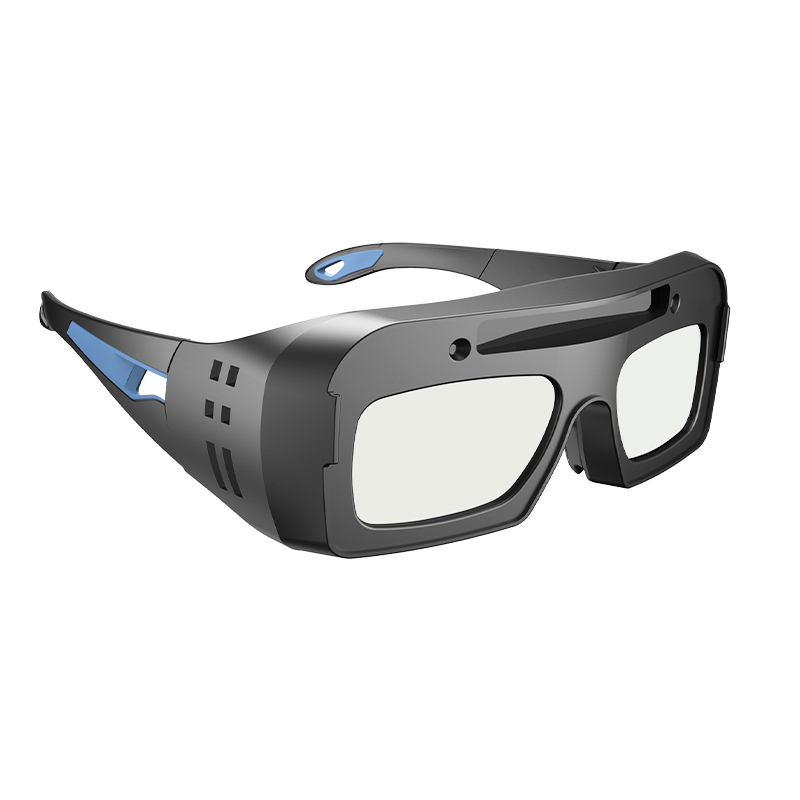
Hochklappbar Automatisch abdunkelnder HelmUltraweites Betrachtungsfeld Weite mit seitlicher Linsenanordnung
MEHR LESEN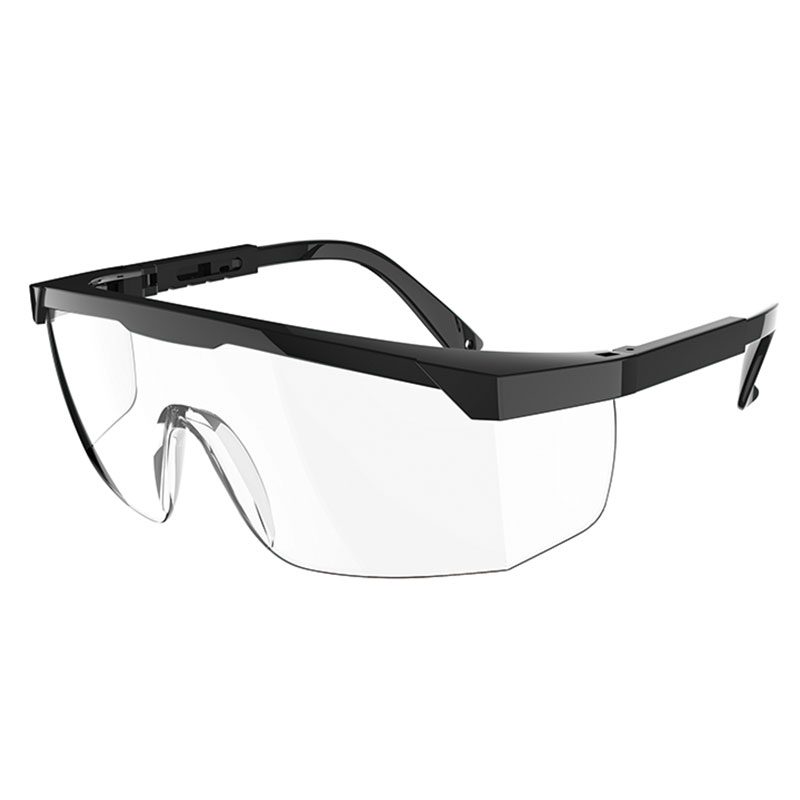
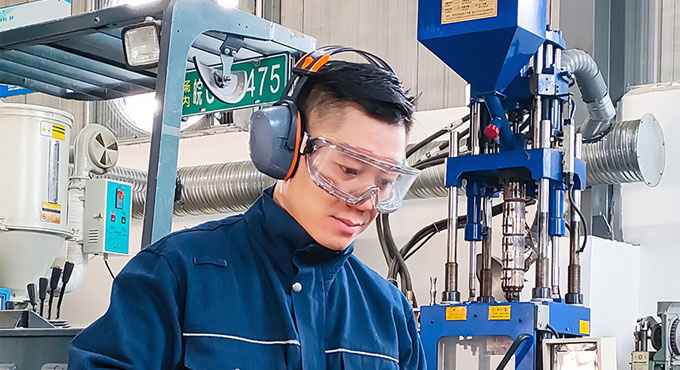
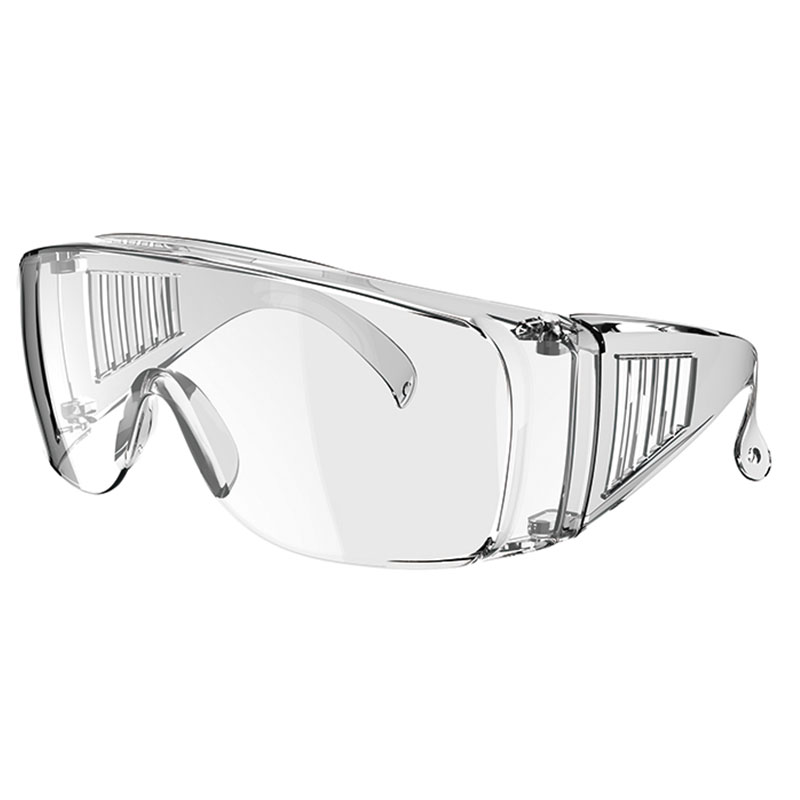
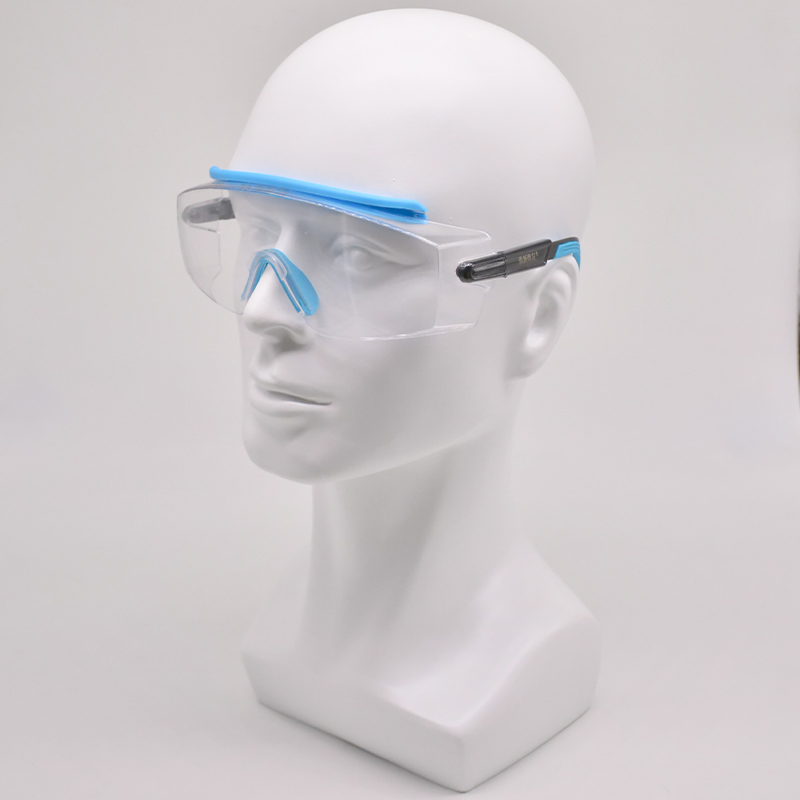
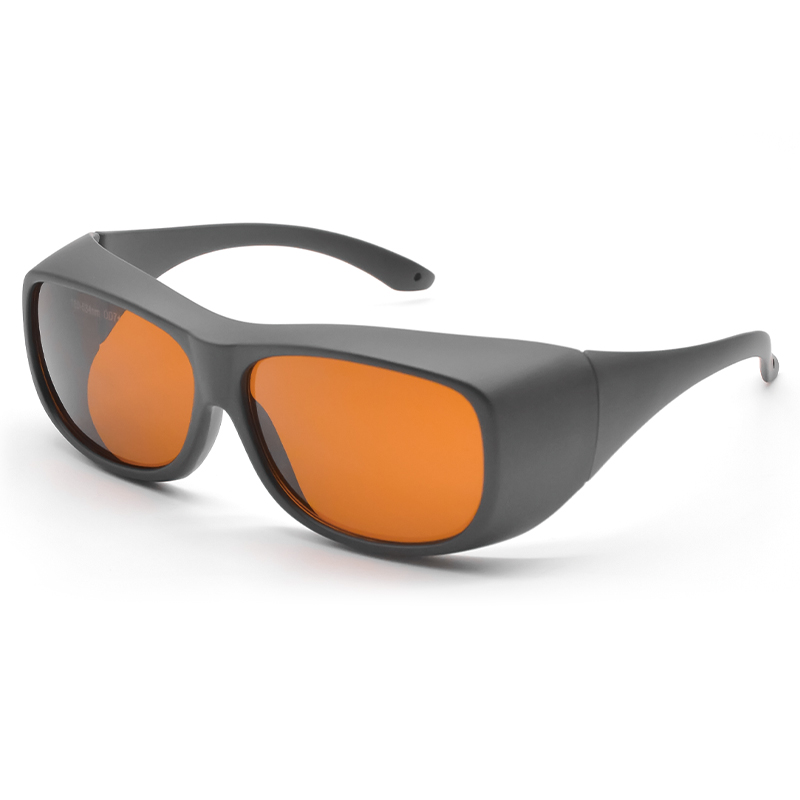
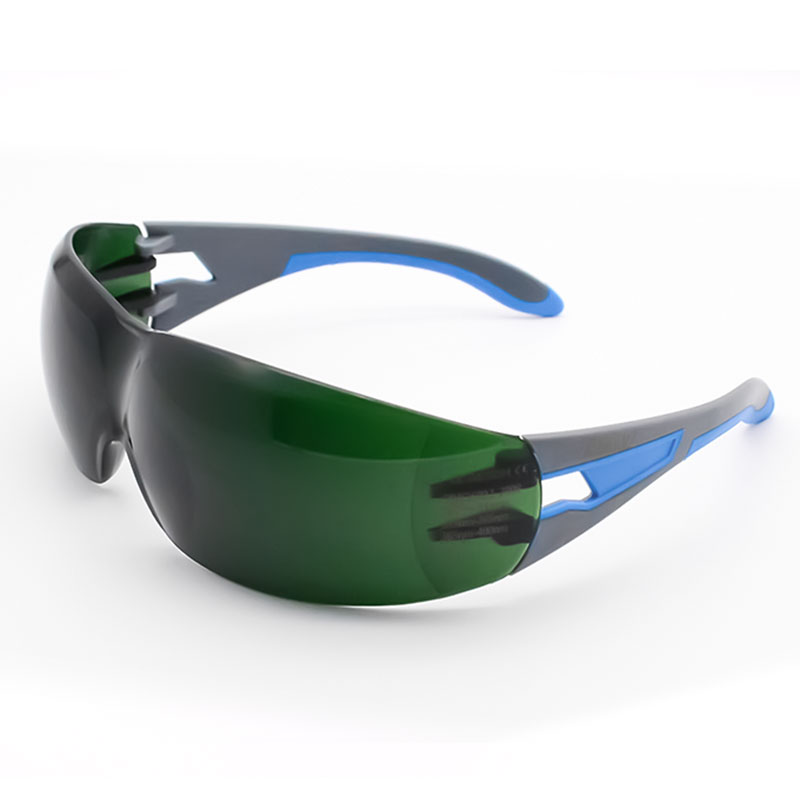
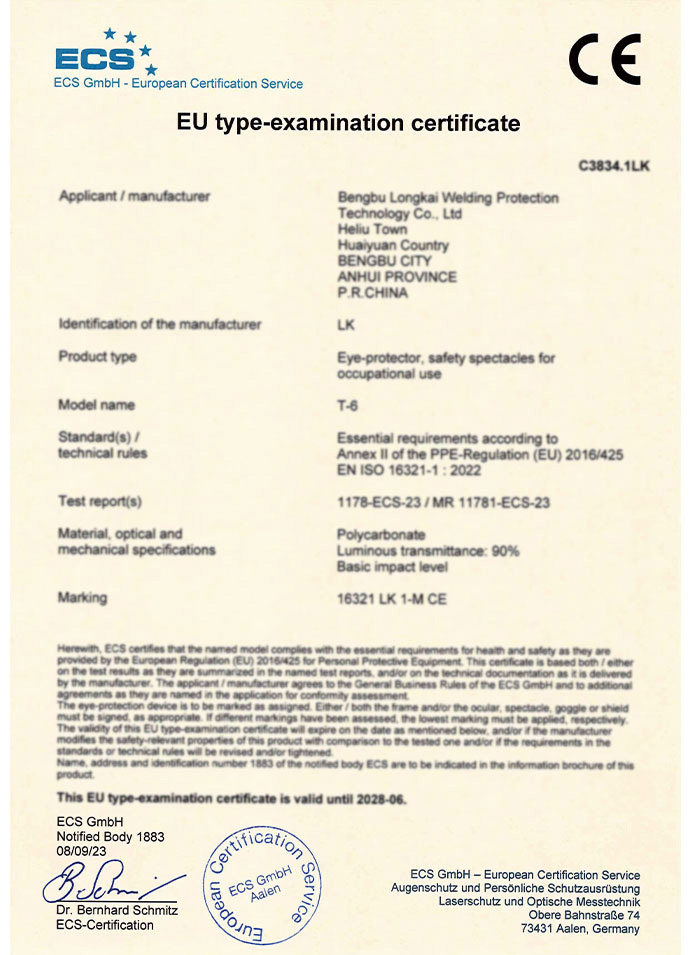
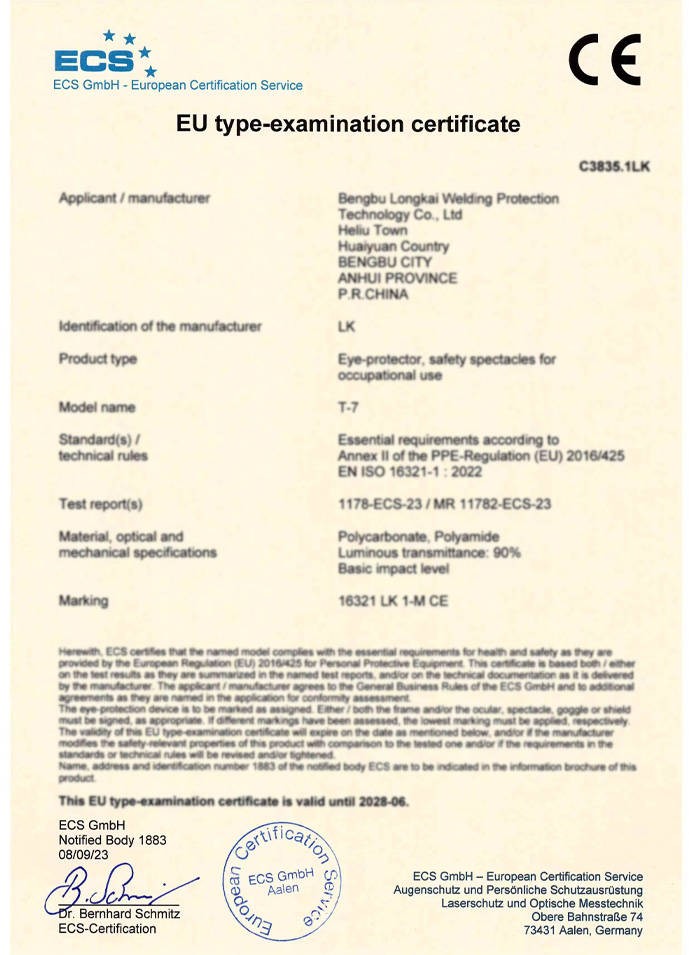
Schutzbrille AugenschutzEN ISO 16321Kratzfest Und AntibeschlagStoßfest und UV-beständig400
MEHR LESEN
29+0000
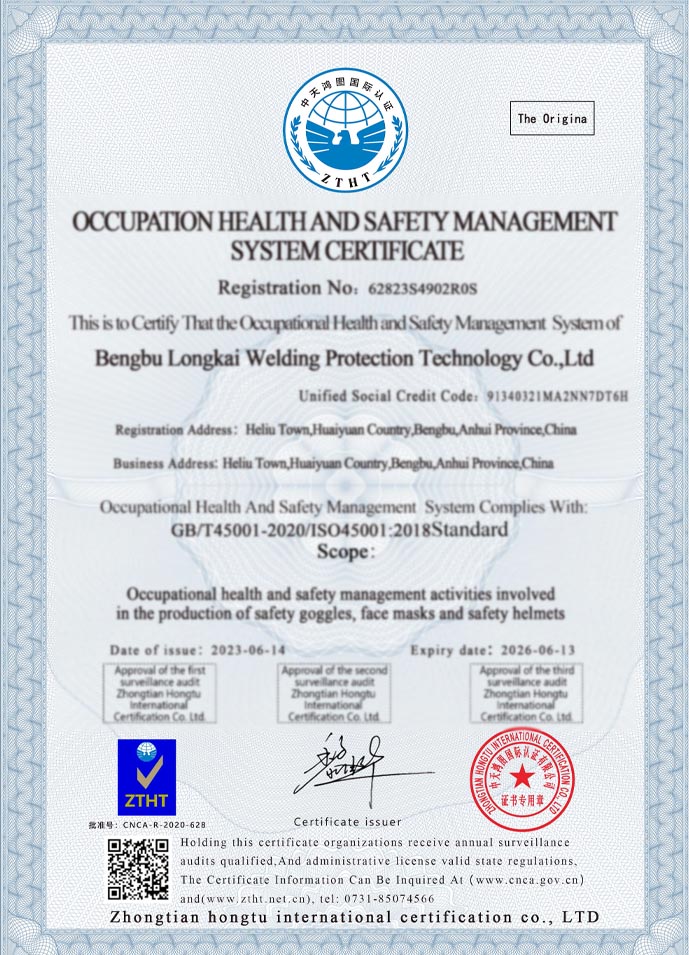
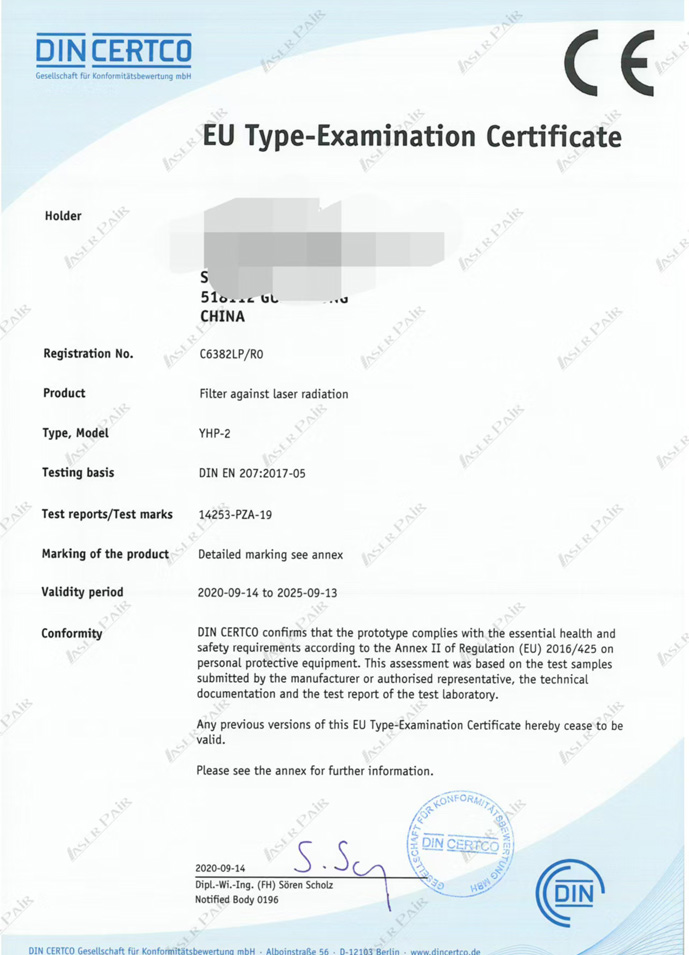

Mitarbeiter in der Fabrik

Verkaufsländer und -regionen.

Fabrikfläche (㎡).

Jahrelange Markterfahrung.
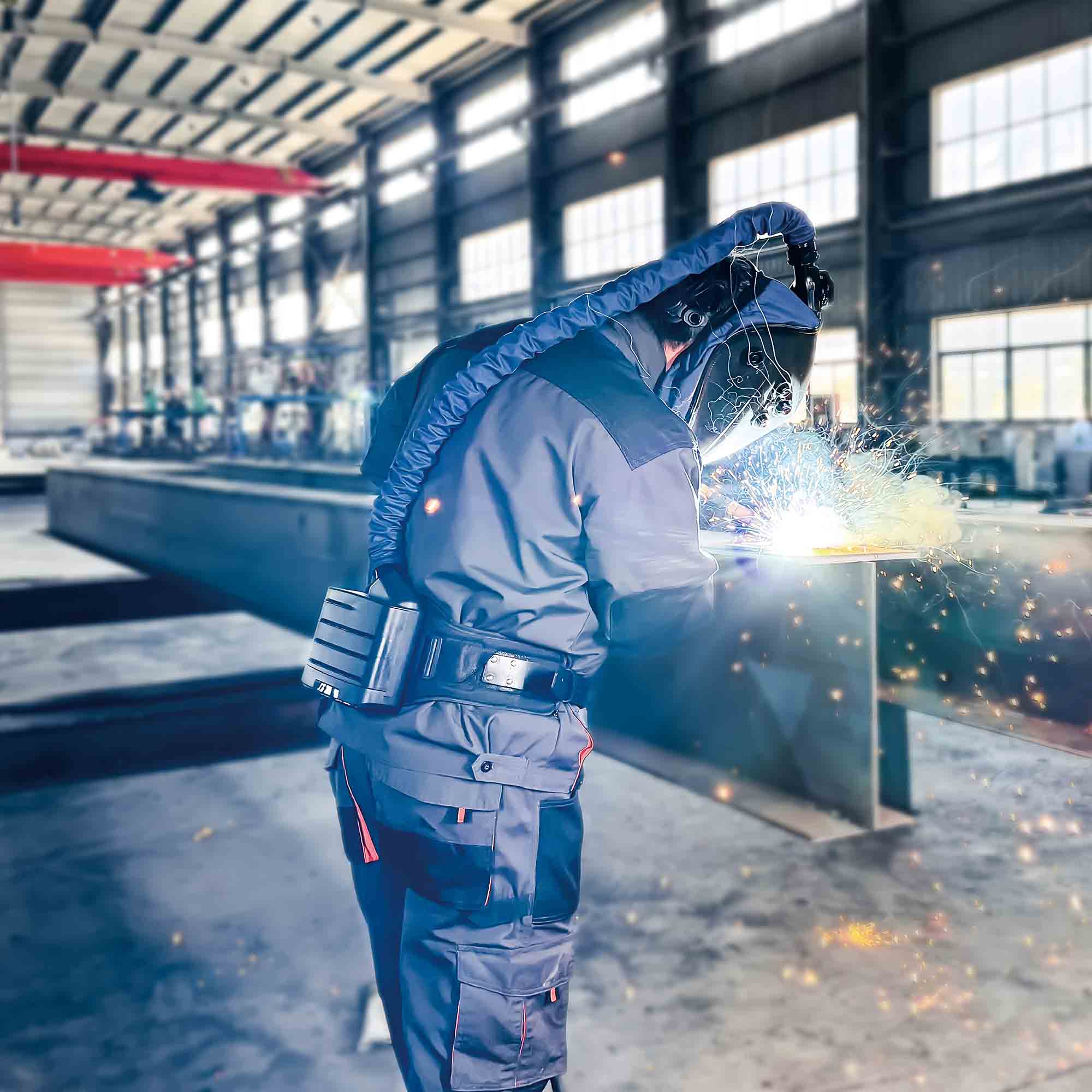
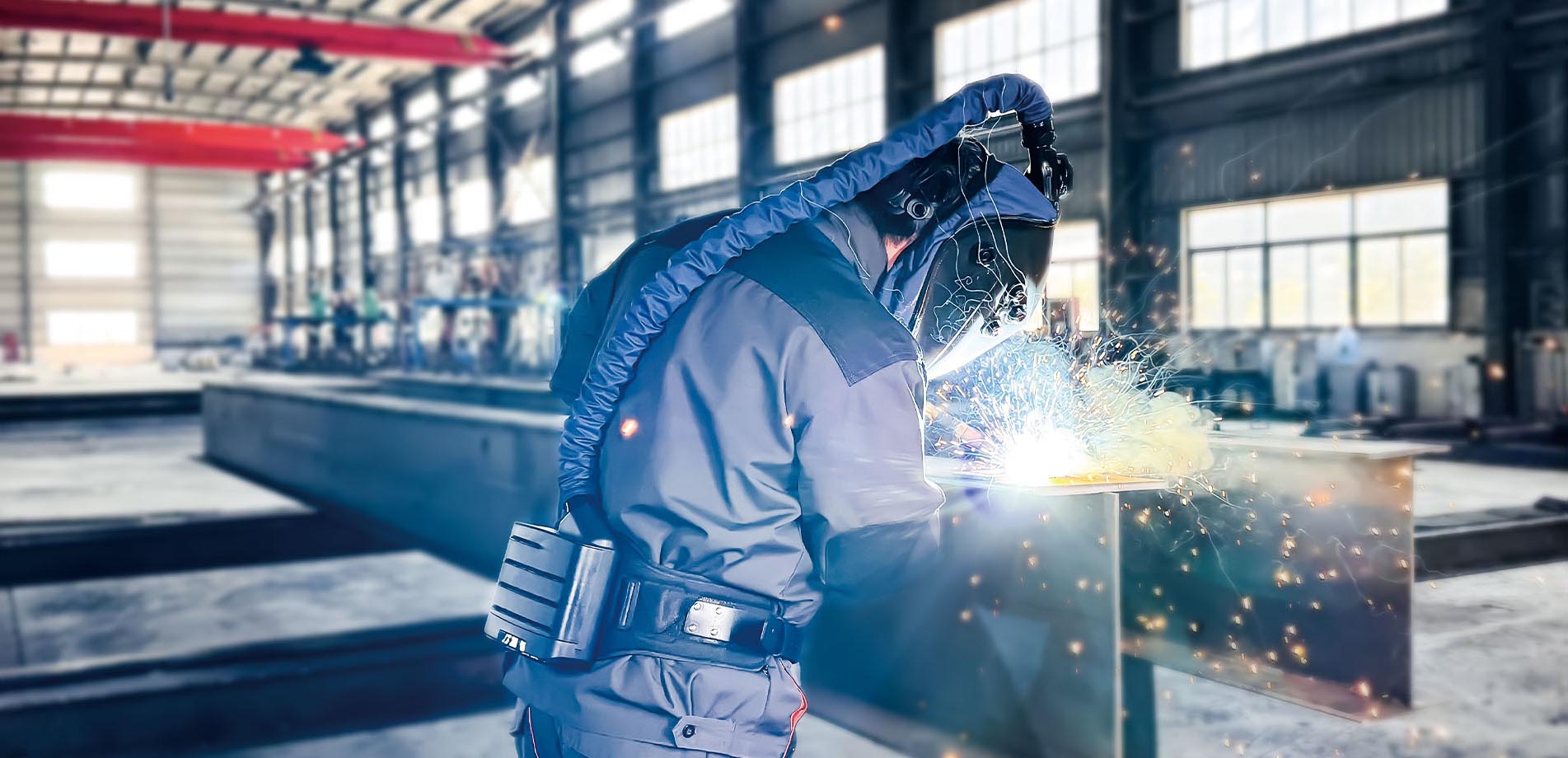
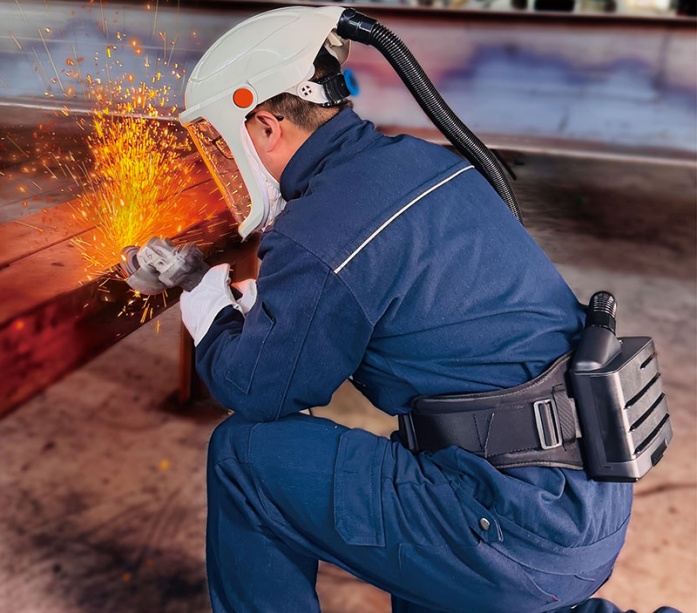
Die Anwendung von PAPR (Powered Air-Purifying Respirator) in der Schweißindustrie is hauptsächlich für den Atemschutz, bietet saubere Luft für Schweißer, um ihre Gesundheit zu schützen und gleichzeitig den Arbeitskomfort zu verbessern. Erstens ist unser PAPR sehr leicht, inklusive Standardbatterie beträgt das Gewicht lediglich 820g. - Bereitstellung von Atemschutz: Beim Schweißen entstehen große Mengen an Rauch und schädlichen Gasen, wie Metalloxidstaub (z. B. Eisenoxid und Manganoxid) sowie Kohlenmonoxid und Stickoxide. PAPR saugt Außenluft über einen elektrischen Ventilator an, filtert sie durch einen Filter und leitet saubere Luft mit Überdruck in die Maske. Dadurch wird das Eindringen verschmutzter Außenluft verhindert und die Atemwege des Schweißers wirksam vor dem Einatmen dieser Schadstoffe geschützt. HEPA-Filter der Klasse TH3, Filtereffizienz 99,97 %.- Verbesserung des Tragekomforts: Das PAPR-System ist relativ leicht und verstellbar. Arbeiter können es als Hüftgurt verwenden oder mit einem Vierpunkt-Sicherheitsgurt auf dem Rücken tragen. Die Luftzufuhr durch den Ventilator erleichtert das Atmen und reduziert die Ermüdung der Schweißer. Im Vergleich zu herkömmlichen umluftunabhängigen Atemschutzgeräten ist es auch bei längerem Tragen weniger ermüdend. Unser PAPR kann angeschlossen werden. Verschiedene Helme durch unseren Multifunktionsanschluss. - Optimierung der visuellen Klarheit: PAPR kann üblicherweise mit Schweißhelmen verwendet werden. Das Vollgesichtsmaskendesign bietet ein weites Sichtfeld, und die Überdruckluft verhindert das Beschlagen der Maske. Schweißer können den Schweißbereich dadurch besser beobachten, was die Schweißqualität und die Arbeitseffizienz verbessert. - Anpassung an verschiedene Szenarien: Die Luftdurchflussrate des PAPR-Systems kann an unterschiedliche Schweißverfahren und Arbeitsumgebungen angepasst werden. Luftdurchfluss der Stufe 1: 170 l/min, Stufe 2: 210 l/min. Intelligenter, gleichmäßiger Luftstrom, Die Turbogeschwindigkeit erhöht sich automatisch, wenn der Widerstand des Filters zunimmt.
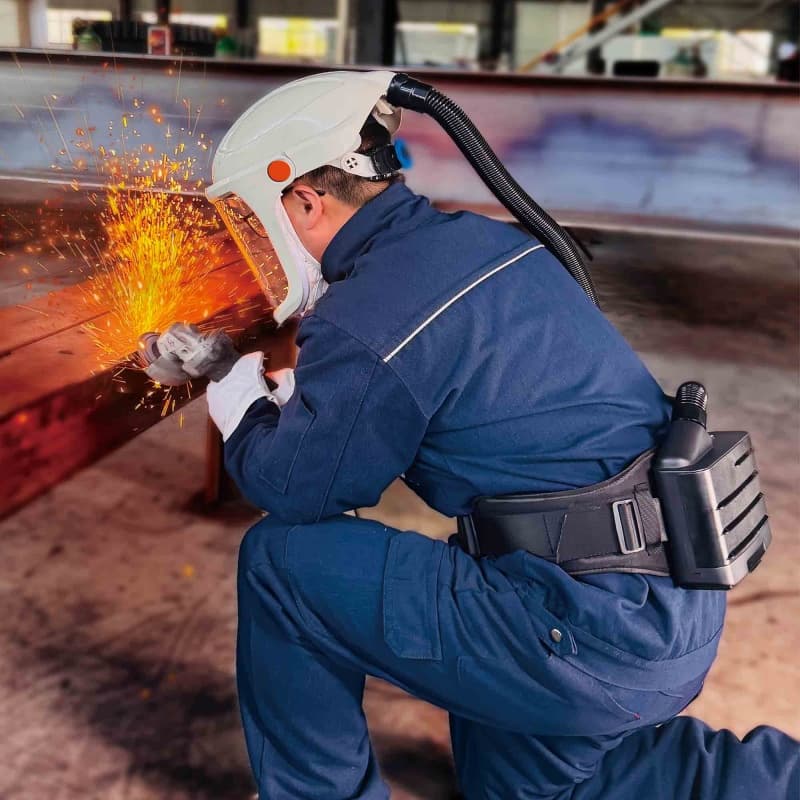
Bei Schleifvorgängen PAPR (Powered Air-Purifying Respirator) bietet effektiven Atemschutz durch die Bekämpfung der hohen Konzentration von Staub, Schmutz und potenziell schädlichen Partikeln. Hier sind die wichtigsten Lösungen:- Gezielte Partikelfiltration: Beim Schleifen entsteht eine große Menge Feinstaub (z. B. Metall-, Holz- oder Steinpartikel) und Aerosole. PAPR verwendet hocheffiziente Filter TH3 HEPA-Filter um diese Partikel einzufangen. Der Überdruck des Systems verhindert, dass ungefilterte Luft in die Maske gelangt, und stellt sicher, dass der Träger saubere Luft atmet.- Anpassung an raue Umgebungen: Schleifarbeiten sind oft mit hoher Staubbelastung verbunden und können von Vibrationen oder Bewegungen begleitet sein. Das robuste Design von PAPR (z. B. robuste Filter und abgedichtete Masken) verhindert Verstopfungen und sorgt für gleichbleibende Leistung. Einstellbare Luftstromraten (typischerweise 100–250 l/min) gleichen den erhöhten Filterwiderstand bei Staubansammlung aus und gewährleisten so einen konstanten Schutz.- Komfort für längere Nutzung: Schleifarbeiten sind oft langwierig. Das leichte, ergonomische Design von PAPR (z. B. Hüft- oder Rucksackventilatoren) reduziert die Belastung von Nacken und Schultern. Der kontinuierliche Luftstrom minimiert die Wärme- und Feuchtigkeitsbildung in der Maske und erhöht so den Komfort bei langen Schichten.- Integration mit Arbeitsausrüstung: PAPR kann mit unseren Schleifkopfteilen kombiniert werden und bietet so kombinierten Atem- und Gesichtsschutz. Diese Integration gewährleistet ungehinderte Bewegungsfreiheit und gleichzeitig eine sichere Abdichtung gegen Staub.- Vereinfachte Wartung: Viele PAPR-Modelle verfügen über Filterwechselanzeigen, die den Benutzer warnen, wenn die Filter (aufgrund erhöhten Widerstands) verstopft sind. Dies gewährleistet einen rechtzeitigen Austausch und sorgt für optimalen Luftstrom und Schutzeffizienz in Schleifumgebungen mit schneller Staubansammlung.
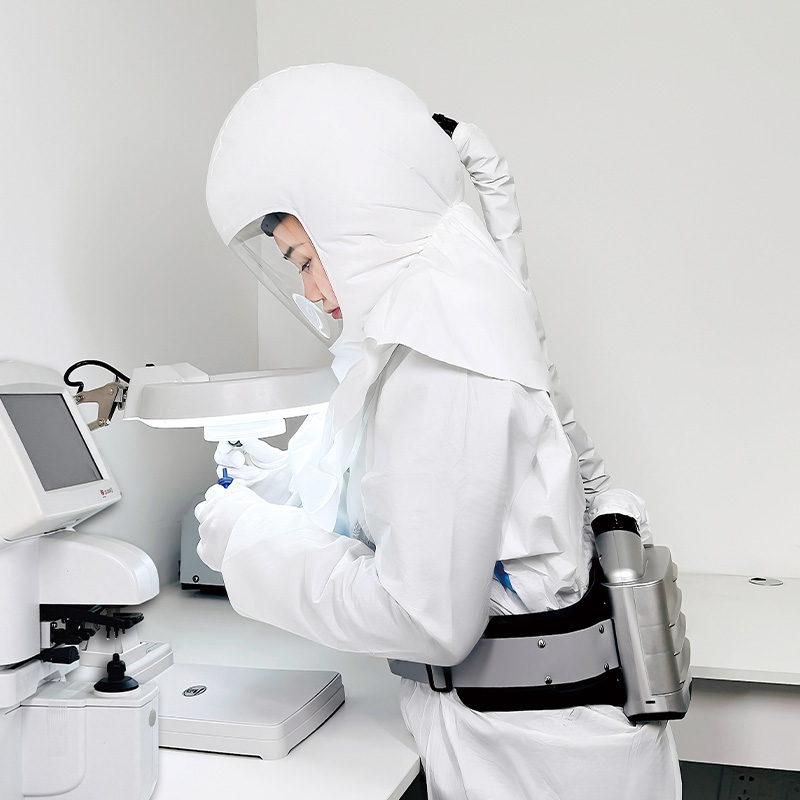
Atemschutzgerät mit Luftreinigungssystem (PAPR) BXH-3001-4 mit VlieshaubeEs bietet durch die folgenden Lösungen einen wichtigen Atemschutz im Gesundheitswesen:- Verbesserter Atemschutz: PAPRs verwenden ein batteriebetriebenes Gebläse, um Luft durch Filter (z. B. HEPA, N95-Äquivalent) zu ziehen und saubere Luft mit Überdruck in die Atemzone des Benutzers zu leiten. Dadurch wird die Belastung durch luftübertragene Krankheitserreger (z. B. Viren, Bakterien), Aerosole und gefährliche Partikel bei Hochrisikoverfahren wie Intubation oder Aerosol erzeugenden Operationen reduziert.- Komfort und Compliance: Das Überdruckdesign minimiert den Atemwiderstand und macht das Tragen über längere Zeiträume für das medizinische Personal erträglicher. Dies verbessert die Einhaltung der Infektionskontrollprotokolle, insbesondere bei längeren Schichten.- Vielseitigkeit in Hochrisikoumgebungen: Geeignet für verschiedene klinische Szenarien, einschließlich Isolierstationen, Notaufnahmen und Operationssälen, in denen der Schutz vor bekannten und neu auftretenden Bedrohungen aus der Luft unerlässlich ist.- Weniger Beschlagen und Kommunikationsbarrieren: Viele PAPR-Modelle verfügen über transparente Gesichtsschutzschilde oder Hauben, die das Beschlagen der Linsen reduzieren und so die Sicht verbessern. Sie verfügen zudem häufig über integrierte Kommunikationshilfen, die eine bessere Interaktion zwischen medizinischem Personal und Patienten ermöglichen.- Wiederverwendbarkeit bei fachgerechter Dekontamination: PAPRs sind für den wiederholten Gebrauch konzipiert und bieten in Kombination mit entsprechenden Reinigungs- und Desinfektionsprotokollen eine kostengünstige Alternative zu Einweg-Atemschutzgeräten in Umgebungen mit begrenzten Ressourcen.
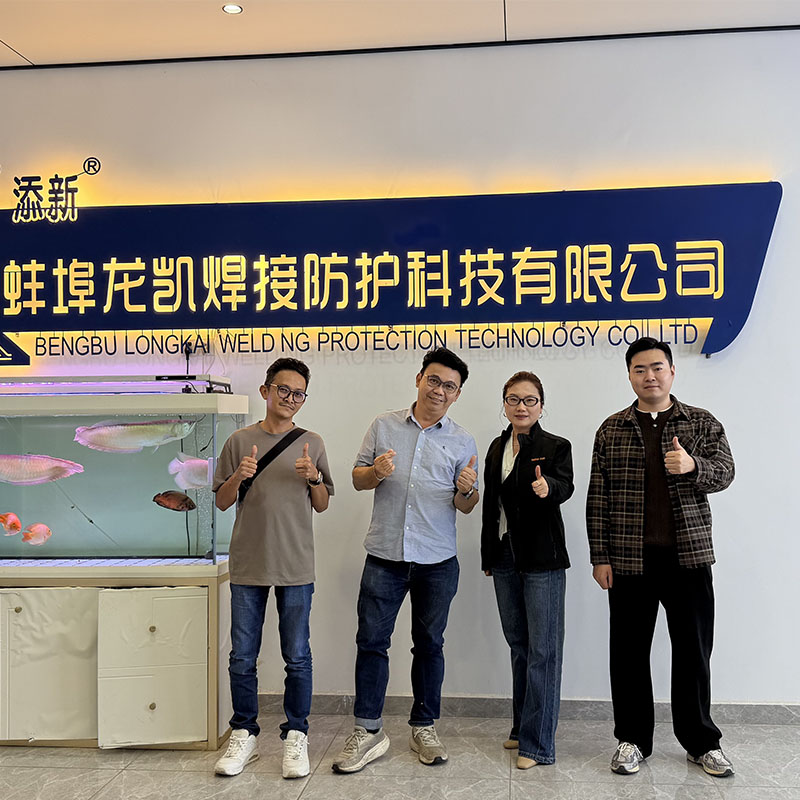
Während das NEW AIR-Team an der FABTECH in den USA teilnahm, um seine Präsenz in Nordamerika auszubauen, empfing das Werk des Unternehmens in Nordamerika einen wichtigen internationalen Gast. Ein Kunde aus Malaysia stattete NEW AIR einen Besuch ab. Die beiden Parteien führten ausführliche Geschäftsgespräche, in denen es um die Marke ging. Schweißhelm mit Überdruck Produktlinie und Möglichkeiten für eine langfristige Zusammenarbeit ausgelotet. Die malaysische Delegation besichtigte das Werk von NEW AIR, einschließlich des Produktausstellungsraums und der Testbereiche. Sie untersuchten mehrere Produkte eingehend. Schweißpapier im Großhandel Der Kunde prüfte Prototypen, Produktdesign, Fertigungsprozesse, Qualitätsprüfverfahren und relevante internationale Zertifizierungen. Er testete die Atemschutzmasken auch persönlich, stellte detaillierte Fragen zur Luftstromkonstanz, Sicht durch den Helm und Leichtbauweise und zeigte großes Interesse an den Lösungen. Während des Treffens erörterten beide Seiten die lokale Schweißindustrie, die Arbeitsschutzbestimmungen und die Marktanforderungen in Malaysia. Auch Lieferzeiten und Anpassungsmöglichkeiten wurden besprochen. Nachdem man sich über das Leistungs- und Qualitätskontrollsystem von NEUE LUFT SchweißpapierfabrikDer malaysische Kunde lobte die Schutzwirkung und den Tragekomfort des Produkts und zeigte großes Interesse an einer Partnerschaft, um die Atemschutzprodukte von NEW AIR auf den lokalen Markt zu bringen. Beide Seiten tauschten sich über eine kontinuierliche, langfristige Lieferkette, lokales Marketing und die Einführung neuer Produkte aus. In mehreren Punkten wurde Einigkeit erzielt. Dank des etablierten lokalen Branchennetzwerks des Kunden ist NEW AIR bestens gerüstet, seine Präsenz in Südostasien weiter auszubauen und Schweißern und Herstellern in der Region zuverlässige Atemschutzlösungen für Schweißer anzubieten.NEW AIR verfolgt seine globale Strategie parallel auf zwei Ebenen: Zum einen trifft das Unternehmen auf der US-Messe potenzielle nordamerikanische Kunden, zum anderen empfängt es Partner aus Südostasien in seinem Werk. Das wachsende Interesse internationaler Käufer bestätigt die Qualität der Produkte und stärkt das Vertrauen in die weitere globale Expansion. NEW AIR ist spezialisiert auf die Forschung, Entwicklung, Produktion und den Vertrieb von Atemschutzgeräten für industrielle Anwendungen. PAPR-Systeme bilden dabei das Kernprodukt. Das Unternehmen hält sich an strenge Qualitätsstandards und entwickelt maßgeschneiderte Schutzlösungen für unterschiedlichste Arbeitsbedingungen weltweit. Auch in Zukunft wird NEW AIR in die globale Marktentwicklung investieren, seine Präsenz in Nordamerika, Südostasien und darüber hinaus ausbauen und die Gesundheit von Industriearbeitern mit zuverlässiger Schutzausrüstung schützen. Für weitere Informationen klicken Sie bitte hier. www.newairsafety.com.
MEHR LESEN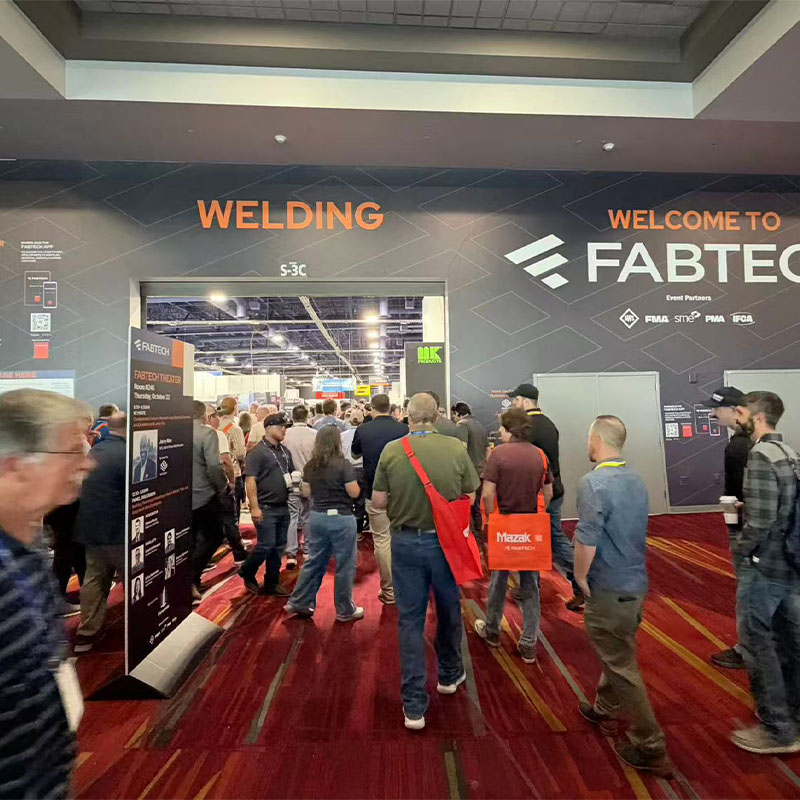
Die FABTECH, Nordamerikas führende Fachmesse für Metallumformung, -bearbeitung, Schweißen und Oberflächenveredelung, hat kürzlich in Las Vegas ihre Pforten geöffnet. Als eine der am meisten erwarteten Branchenveranstaltungen des Jahres war die Messehalle bis auf den letzten Platz gefüllt. Fertigungsspezialisten, Einkaufsleiter und technische Experten aus aller Welt kamen zusammen, um neueste Innovationen zu entdecken und schufen so ein dynamisches Umfeld für Branchennetzwerke und Geschäftsanbahnungen. Auf der diesjährigen FABTECH-Messe präsentierte NEW AIR sein Sortiment von drei Modellen. Industriepapierhersteller ChinaDie drei Modelle sind speziell für Schweiß-, Schleif- und andere anspruchsvolle industrielle Anwendungen entwickelt und zeichnen sich durch unterschiedliche Designs aus, um den vielfältigen Anforderungen am Arbeitsplatz gerecht zu werden. Sie bieten zuverlässigen Schutz, hohen Tragekomfort für den ganzen Tag und praktische Funktionalität und zogen schnell die Aufmerksamkeit der Besucher am Messestand auf sich. Ein stetiger Besucherstrom hielt am Stand von NEW AIR an, um die PAPR-Systeme zu begutachten und zu testen. Viele Besucher probierten die Atemschutzgeräte persönlich an, um sich von der Luftstromleistung, dem leichten Design und der klaren Sicht durch das Schweißhelm-Sichtfeld zu überzeugen. Das NEW AIR-Team begrüßte jeden Gast und erläuterte die wichtigsten Produktmerkmale wie Filterleistung, Akkulaufzeit, einstellbaren Luftstrom und die automatische Schweißverdunkelungstechnologie. Außerdem beantworteten sie Fragen zu Zertifizierungsstandards, Anwendungsszenarien und möglichen Partnerschaften. Käufer lokaler Schweißdienstleister und Fertigungsunternehmen zeigten großes Interesse am PAPR-Portfolio von NEW AIR. Die Kontrolle von Schweißrauch ist für nordamerikanische Hersteller von entscheidender Bedeutung. Dank eines stabilen Überdrucksystems bietet NEW AIR optimale Bedingungen für die Schweißrauchkontrolle. Schweißpapierherstellung in ChinaDie Anlage blockiert effektiv Schweißrauch und gesundheitsgefährdende Partikel und erfüllt damit die strengen Arbeitsschutzbestimmungen der Region. Mehrere Interessenten führten während der Messe ausführliche Gespräche mit dem Team über eine zukünftige Zusammenarbeit. Die FABTECH dient NEW AIR als wertvolle internationale Plattform, um seine Präsenz auf dem nordamerikanischen Markt zu stärken. Neben der Präsentation seiner Produkte gewann die Marke direkte Einblicke in die Bedürfnisse der Endverbraucher und die neuesten Markttrends. Diese Erkenntnisse aus erster Hand fließen in die kontinuierliche Produktverbesserung ein und unterstützen die lokalisierte Entwicklungsstrategie des Unternehmens. NEW AIR ist spezialisiert auf die Forschung und Entwicklung sowie die Herstellung von Atemschutzgeräten für Schweiß- und Industriearbeitsplätze, mit einem Schwerpunkt auf Atemschutzgerät mit Überdruckluftzufuhr Systeme. Die Marke NEW AIR, die sich Sicherheit, Komfort und Langlebigkeit verschrieben hat, wird ihre Technologie kontinuierlich weiterentwickeln und ihr Produktsortiment ausbauen. Künftig will NEW AIR weltweit zuverlässige Atemschutzlösungen für Schweißer und Industriearbeiter anbieten, ihre globale Präsenz stärken und gemeinsam mit Partnern die Gesundheit von Mitarbeitern in systemrelevanten Berufen schützen. Weitere Informationen finden Sie unter www.newairsafety.com.
MEHR LESEN
NEW AIR hat offiziell sein neu entwickeltes Multibay-Ladegerät vorgestellt. Dieses tragbare Ladegerät kann mehrere Akkus gleichzeitig aufladen. PAPR Gleichzeitiges Laden von Batterien ermöglicht eine effizientere Batteriemanagementlösung für Außendienstmitarbeiter, Techniker und Bediener. Entwickelt mit Fokus auf Praktikabilität und Zuverlässigkeit, bietet es eine neue Ladeoption für Arbeitsumgebungen, die auf wiederaufladbare Batterien angewiesen sind.Das Ladegerät verfügt über ein robustes Metallgehäuse mit einem Tragegriff aus Metall an der Oberseite, wodurch es sich leicht zwischen Baustellen, Werkstätten und Lagerräumen transportieren lässt. Auf der Oberseite befinden sich spezielle Batteriefächer, die die Batterien während des Ladevorgangs sicher fixieren. Sicheres und stabiles Laden ist das zentrale Merkmal dieses neuen Produkts. Dank des parallelen Ladesystems mit mehreren Ladeschächten können mehrere Akkus gleichzeitig aufgeladen werden. Dadurch entfällt die Ineffizienz des Ladens einzelner Akkus, und Wartezeiten werden deutlich reduziert. Dieser Vorteil ist besonders wertvoll für Teams, die längere Einsätze durchführen, bei denen kontinuierliches Laden erforderlich ist. PAPR-Atemschutzsystem Der Betrieb muss aufrechterhalten werden. Jede Ladebucht gewährleistet stabile Ladeparameter, um die Batterien zu schützen und ihre Gesamtlebensdauer zu verlängern. Das Gerät wurde für anspruchsvolle Arbeitsumgebungen entwickelt und sein robustes Gehäuse widersteht Stößen und Erschütterungen, wie sie in industriellen Umgebungen häufig auftreten. Es eignet sich für die Instandhaltung von Fabriken, Inspektionen vor Ort und weitere Anwendungen. Das Gerät vereint die Ladefunktion für mehrere Akkus in einem kompakten Gehäuse. Bediener können mehrere Akkus gleichzeitig laden, wodurch sich die zu transportierende Ausrüstung reduziert und die Effizienz des Akkuladens vor Ort verbessert wird.Die Benutzerfreundlichkeit stand bei der Entwicklung im Vordergrund. Das Layout ist intuitiv und erfordert von neuen Nutzern nur eine kurze Einarbeitung; umfangreiche Schulungen sind nicht notwendig. Es bietet ein ausgewogenes Verhältnis von Kapazität und Mobilität und eignet sich sowohl für den stationären Einsatz als auch für mobile Anwendungen. Als Spezialmarke für industrielle persönliche Schutzausrüstung stellt NEW AIR die realen Bedürfnisse der Endanwender in den Mittelpunkt seiner Entwicklung und konzentriert sich auf den Ausbau seines Produkt-Ökosystems. Die Einführung dieses speziellen Mehrfach-Akkuladegeräts markiert ein bedeutendes Upgrade, das die Unterstützung unserer eigenen Geräte und die Verbesserung der Benutzerfreundlichkeit in den Mittelpunkt stellt und direkt auf die operativen Herausforderungen unserer Kunden eingeht. Auch in Zukunft wird NEW AIR die Forschung und Entwicklung sowie den Kundenservice weiter vorantreiben. Überdruck-Luftreinigungsgerät Sicherheitsprodukte. Wir werden unser gesamtes Produktsortiment hinsichtlich Kompatibilität, Sicherheit und Praktikabilität optimieren und so Anwendern weltweit hochwertige Komplettlösungen für den industriellen Sicherheitsschutz bieten. Wenn Sie mehr erfahren möchten, klicken Sie bitte hier. www.newairsafety.com.
MEHR LESEN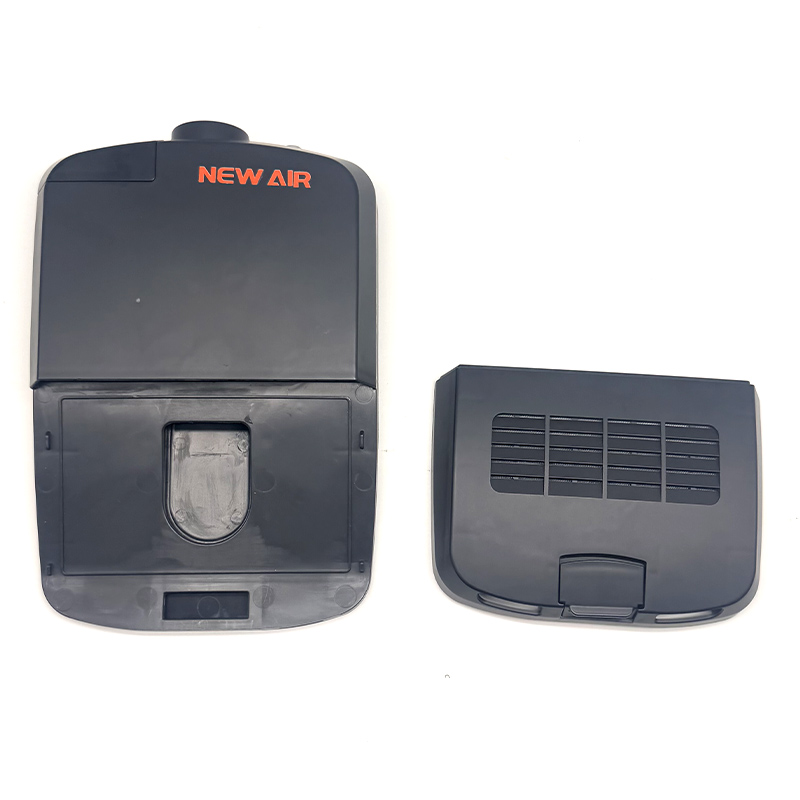
NEW AIR hat kürzlich ein funktionales Upgrade für sein PAPR(Gebläseunterstützte Atemschutzmaske) Modell BXH-3003. Eine neue akustische Alarmfunktion bei fehlendem Filter wurde hinzugefügt, um Lücken in den Sicherheitswarnfunktionen zu schließen und einen umfassenderen Atemschutz für Bediener zu bieten, die in Umgebungen mit hoher Staub- und Partikelbelastung arbeiten. In risikoreichen Arbeitsszenarien wie dem Schleifen, der Metallverarbeitung und dem Umgang mit pharmazeutischen Stäuben dienen Filterpatronen als Kernkomponente für motorbetriebene LuftreinigungsgeräteUm einen wirksamen Schutz zu gewährleisten, kommt es im praktischen Einsatz gelegentlich vor, dass Filter fehlen oder falsch installiert sind. Fehlt der Filter, kann das Gerät zwar weiterhin laufen und Luft liefern, jedoch können gesundheitsgefährdende Partikel aus der Arbeitsumgebung direkt in die Atemschutzmaske eindringen und den Schutz vollständig aufheben. Oftmals erkennen die Bediener dieses Risiko nicht rechtzeitig, wodurch versteckte Gesundheitsgefahren entstehen.Der neu hinzugefügte Filterfehlalarm des BXH-3003 wird durch integrierte intelligente Sensormodule zur Echtzeit-Statusüberwachung gesteuert. Bei falsch eingesetzter oder fehlender Filterpatrone ertönt sofort ein akustisches Signal, um die Bediener zur Überprüfung des Filterzubehörs aufzufordern. Das Gerät verhindert eine unkontrollierte Luftzufuhr ohne intakte Filterelemente und beugt so Schutzausfällen durch fehlerhafte Filterinstallation vor. Dadurch werden potenzielle Risiken vor Arbeitsbeginn beseitigt.Der verbesserte BXH-3003 hat alle relevanten Konformitätsprüfungen bestanden. Er ist vielseitig einsetzbar, beispielsweise beim Metallschleifen, bei der Staubbekämpfung im Bauwesen, beim Schutz vor pharmazeutischen Stäuben und chemischen Partikeln sowie in vielen weiteren Branchen. Dieses optimierte Modell behebt das seit Langem bestehende Problem der vernachlässigten Filterinstallation. Dank verbesserter aktiver Sicherheitswarnungen unterstützt es Unternehmen bei der Optimierung des Managements der persönlichen Schutzausrüstung vor Ort und trägt zur Reduzierung von Arbeitsunfällen bei.NEW AIR konzentriert sich auf die Forschung und Entwicklung sowie die Herstellung von beste motorbetriebene AtemschutzmaskeMit umfassender Expertise im Bereich persönlicher Atemschutzgeräte optimiert das Unternehmen kontinuierlich die Leistung von Sicherheitswarnsystemen und die Schutzwirkung, indem es die Herausforderungen der Praxis auf Baustellen analysiert. Es liefert konforme und hochzuverlässige Komplettlösungen für den Atemschutz an Industriekunden weltweit und schützt so die Atemwegsgesundheit von Mitarbeitern in der Produktion und Produktion. Für weitere Informationen klicken Sie bitte hier. www.newairsafety.com.
MEHR LESEN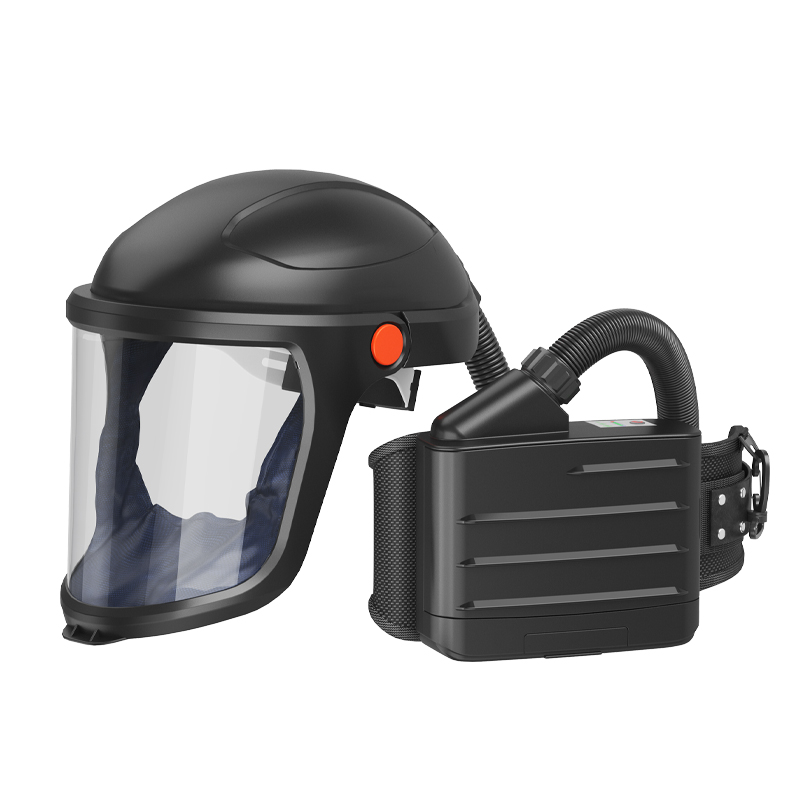
Viele Einkäufer und Fachkräfte in der Schweiß- und Schleifindustrie verwechseln P3-Filter häufig mit FFP3-Atemschutzmasken. Beide bieten einen hohen Schutz vor Partikeln gemäß europäischen Normen und filtern Gefahren wie Schweißrauch und kristallinen Quarzstaub. Sie unterliegen jedoch zwei unterschiedlichen EU-Normen mit wesentlichen Unterschieden in Funktionsprinzip, kompatibler Ausrüstung und Anwendungsbereichen – und sind daher nicht direkt austauschbar.FFP3-Masken unterliegen der Norm EN 149 für Einweg-Halbmasken mit Unterdruckfilter. Die Atmung erfolgt durch die eigene Einatmung des Trägers, wodurch Luft durch das Filtermaterial geleitet wird. Sie erreichen eine Mindestfiltrationseffizienz von 99 % gegenüber ölhaltigen und nicht-ölhaltigen Aerosolen. Eine wesentliche Einschränkung von FFP3 ist die Notwendigkeit eines dichten Sitzes im Gesicht. Bärte oder unebene Gesichtskonturen können leicht zu Undichtigkeiten nach innen führen. Zudem entsteht bei längerem Tragen ein hoher Atemwiderstand, der bei Schweißern zu Ermüdung und Unbehagen führen kann. Daher eignen sie sich eher für kurzzeitige Exposition in mäßig kontaminierten Umgebungen. Der P3-Filter entspricht der Norm EN143 und ist eine austauschbare Filterkartusche. Er ist für wiederverwendbare Halbmasken, Vollmasken und Gebläsefiltergeräte (PAPR) konzipiert. Ein P3-Filter bietet eine minimale Filtrationseffizienz von 99,95 % und damit eine höhere Leistung als FFP3-Filter. PAPR-EinheitenDas integrierte Gebläse sorgt für einen Luftstrom und hält den Innendruck im Schweißhelm konstant aufrecht. Ein absolut dichter Gesichtsabschluss ist selbst bei locker sitzenden Schweißhelmen nicht mehr zwingend erforderlich. Dies reduziert die Atembelastung erheblich und ist ideal für Schweißer, die lange Schichten arbeiten. Sie unterscheiden sich auch deutlich hinsichtlich des zugewiesenen Schutzfaktors, der Nutzungsdauer und der Betriebskosten. Standard-FFP3-Masken sind Einwegmasken und werden nach der Aufnahme von Schadstoffen entsorgt. Ihr typischer zugewiesener Schutzfaktor (APF) beträgt 20. P3-Filterpatronen sind austauschbare Verbrauchsmaterialien, die mit einer wiederverwendbaren Maske kombiniert werden. PAPR-Gerät Haupteinheit. In Kombination mit einem abgedichteten Gehäuse bieten sie einen deutlich höheren Schutz für risikoreiche Umgebungen mit starken Schweißrauchen oder krebserregendem Staub und bieten oft einen besseren Langzeitnutzen. Die Gefährdungsbeurteilung vor Ort sollte Ihre Auswahl leiten. FFP3 ist eine leichte Option für gelegentliche, kurzzeitige Staubexposition bei geringen Schadstoffkonzentrationen. Für Schweißarbeiten, Strahlarbeiten, längeres Schleifen und andere Arbeiten mit starker Staubbelastung ist eine batteriebetriebenes Frischluft-Atemschutzgerät Systeme mit P3-Filterung werden weithin bevorzugt. Sie bieten ein ausgewogenes Verhältnis von zuverlässigem Schutz, Tragekomfort und ganztägiger Nutzbarkeit und sind daher die bevorzugte Lösung für arbeitsmedizinische Programme in vielen ausländischen Produktionsstätten. NEW AIR ist spezialisiert auf Gebläsefiltergeräte. Unsere PAPR-Systeme sind mit EN143-zertifizierten P3-Filtern ausgestattet, die speziell für Schweißrauch entwickelt wurden und eine optimierte Staubaufnahmekapazität sowie einen geringen Atemwiderstand bieten. Wir entwickeln unsere Produkte kontinuierlich weiter, um die regionalen Arbeitsschutzstandards weltweit zu erfüllen und zuverlässigen Atemschutz mit Überdruck zu gewährleisten. So schützen wir die Atemwegsgesundheit von Schweißern an vorderster Front. Für weitere Informationen klicken Sie bitte hier. www.newairsafety.com.
MEHR LESEN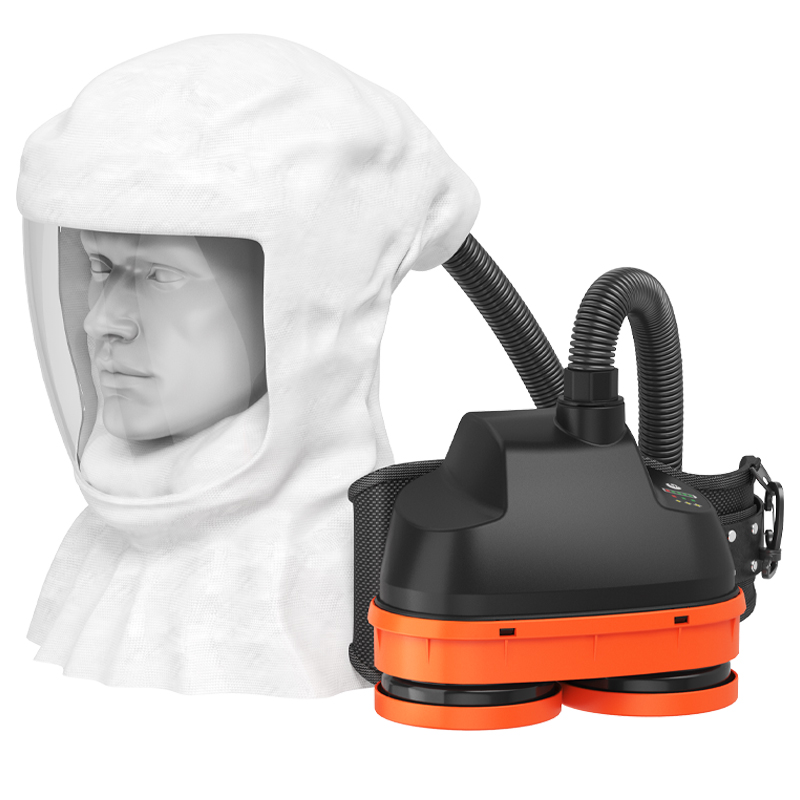
Bei industriellen Schleif-, Beschichtungs-, Arbeiten in beengten Räumen und anderen Anwendungen ist Atemschutz unerlässlich für den Schutz der Gesundheit der Arbeiter. Viele Sicherheitsbeauftragte verwechseln dies. PAPR-System Gebläseunterstützte Atemschutzgeräte (auch: Druckluft-Atemschutzgeräte) werden zwar beide mit sauberer Luft versorgt, unterscheiden sich aber grundlegend in ihren Funktionsprinzipien und Schutzgrenzen. Das Verständnis dieser Unterschiede hilft, die richtige Ausrüstung entsprechend den Einsatzbedingungen auszuwählen und Sicherheitsrisiken durch Fehlauswahl zu vermeiden.Ein PAPR (Powered Air-Purifying Respirator) saugt mithilfe eines batteriebetriebenen Ventilators Umgebungsluft an. Diese Luft durchströmt Filterpatronen, die Staub, Dämpfe, organische Gase und andere Schadstoffe entfernen, bevor sie in die Gesichtsmaske oder -haube geleitet wird. Eine wichtige Voraussetzung: Am Arbeitsplatz muss ausreichend Sauerstoff vorhanden sein. Solange der Sauerstoffgehalt normal ist und Filter und Batterien in gutem Zustand sind, kann das Gerät kontinuierlich betrieben werden. PAPRs Das Gerät zeichnet sich durch ein kompaktes, am Gürtel tragbares Design ohne Verbindungsschlauch aus und bietet dem Arbeiter so mehr Bewegungsfreiheit. Es ist ideal für lange, kontinuierliche Arbeiten. Druckluft-Atemschutzgeräte (SARs) versorgen die Atemluft mit Frischluft. Anstatt die Umgebungsluft zu filtern, führen sie saubere Luft über einen langen Schlauch, der mit einer unabhängigen Frischluftquelle wie einem Kompressor verbunden ist, zur Gesichtsmaske. SARs können in sauerstoffreichen Umgebungen eingesetzt werden. Einige Modelle mit Notausstiegsflasche ermöglichen die Flucht. Die größte Einschränkung ergibt sich aus dem Druckluftschlauch: Die Reichweite ist durch die Schlauchlänge begrenzt. Der Schlauch ist zudem anfällig für Schnitte und Verwicklungen.Schutzfähigkeit und anwendbare Szenarien sind zentrale Auswahlkriterien. PAPR-System-Kit Das System basiert auf Filterpatronen. Es kann Partikel und bestimmte Dämpfe nur innerhalb definierter Konzentrationsgrenzen zurückhalten. Es darf NICHT in sauerstoffarmen oder IDLH-Atmosphären (unmittelbar lebens- oder gesundheitsgefährdend) eingesetzt werden. Typische Anwendungsbereiche sind Schweißrauch, Schleifen, Spritzlackieren und Labordesinfektion. SARs beziehen saubere Luft aus einer externen Quelle und sind daher nicht durch die Schadstoffkonzentration eingeschränkt (vorausgesetzt, die Luftzufuhr bleibt stabil). Sie eignen sich für Aufgaben mit hoher Kontamination, wie z. B. die Innenbeschichtung großer Tanks und die Reinigung geschlossener Behälter. SARs dürfen in IDLH-Umgebungen nur mit einer zusätzlichen Fluchtluftflasche als Backup eingesetzt werden. Die beiden Systeme bieten deutliche Vorteile hinsichtlich Wartungskosten und Bedienkomfort. PAPR benötigt keine externe Luftquelle und ist nach dem Einschalten sofort einsatzbereit. Die routinemäßige Wartung beschränkt sich im Wesentlichen auf den Filterwechsel und das Aufladen des Akkus. Es ist tragbar und schnell einsatzbereit. SARs hingegen benötigen Druckluftkompressoren und -leitungen, was eine längere Einrichtungszeit erfordert. Die Bediener müssen regelmäßig die Dichtheit der Schläuche und die Qualität der Druckluftquelle überprüfen. Das gesamte System benötigt mehr Platz. PAPR bietet mehr Flexibilität bei häufig wechselnden Einsatzorten, während SARs besser für feste Stationen mit längeren Arbeiten in stark kontaminierten Umgebungen geeignet sind. NEW AIR ist spezialisiert auf die Forschung, Entwicklung und Herstellung von Gebläse-Atemschutzgeräten mit Luftreinigungssystem (PAPR) und konzentriert sich dabei auf den industriellen Atemschutz. Die Marke adressiert die konkreten Bedürfnisse von Mitarbeitern in der Produktion und bietet eine Reihe leichter PAPR-Produkte für Schleif-, Schweiß-, Lackier- und andere industrielle Anwendungen an. NEW AIR optimiert seine Produkte kontinuierlich und liefert zuverlässige Atemschutzlösungen für Industriekunden weltweit. Das Unternehmen unterstützt Firmen beim Aufbau kompletter Atemschutzsysteme für ihre Mitarbeiter. Für weitere Informationen klicken Sie bitte hier. www.newairsafety.com.
MEHR LESEN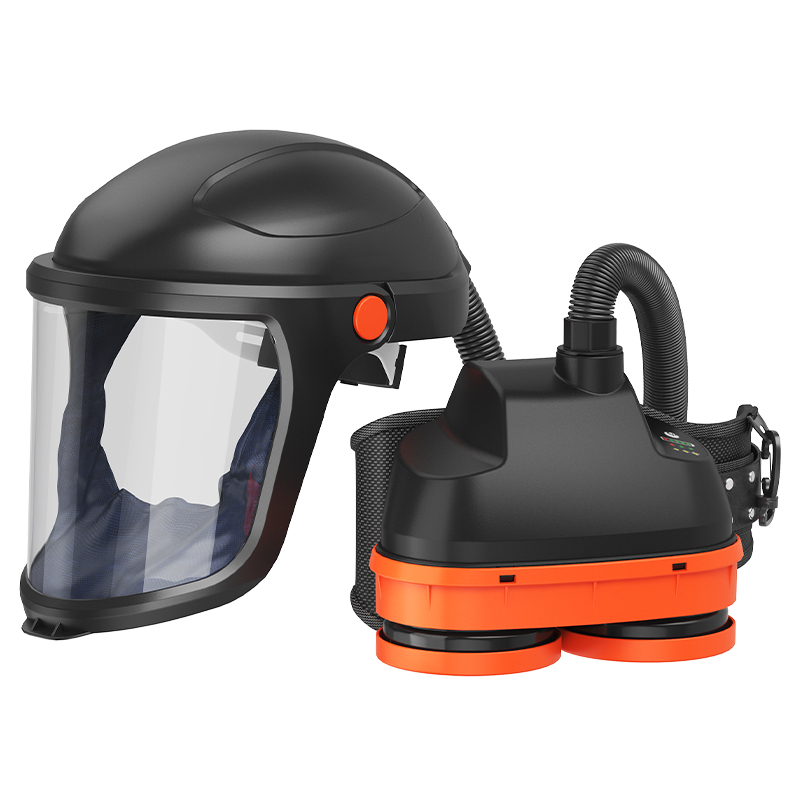
In risikoreichen Arbeitsumgebungen wie Industrieanlagen, Feuerwehreinsätzen und Desinfektionsarbeiten ist Atemschutzausrüstung von entscheidender Bedeutung für den Schutz des Lebens der Arbeiter. Gebläseunterstützter Gesichtsschutz Gebläseunterstützte Atemschutzgeräte (PAPR) und umluftunabhängige Atemschutzgeräte (SCBA) gehören zu den am häufigsten verwendeten professionellen Schutzausrüstungen. Viele Anwender in der Branche verwechseln deren Anwendungsbereiche und Schutzwirkungen. Tatsächlich unterscheiden sie sich erheblich in ihren Funktionsprinzipien, Schutzstufen und Einsatzbedingungen. Ein klares Verständnis dieser Unterschiede hilft Unternehmen und Mitarbeitern, die richtige Ausrüstung auszuwählen und so die Sicherheit zu gewährleisten, die Arbeitseffizienz zu steigern und die Schutzkosten zu kontrollieren.Der grundlegende Unterschied zwischen PAPR und SCBA liegt in ihren Funktionsprinzipien und Luftzufuhrmethoden. Gebläseunterstützter Luftreiniger Eine Atemschutzmaske mit Luftreinigungssystem saugt aktiv Umgebungsluft an und filtert Schadstoffe wie Staub, organische Dämpfe und Aerosole mithilfe mehrlagiger Filterpatronen heraus. Anschließend wird die gereinigte Luft zur Gesichtsmaske oder Haube geleitet. Sie ist vollständig auf die umgebende Atmosphäre angewiesen. Im Gegensatz dazu ist ein Pressluftatmer (SCBA) ein Atemschutzgerät, das die Umgebungsluft selbst versorgt. Es ist nicht auf Außenluft angewiesen. Die saubere Atemluft wird aus einer am Rücken getragenen Hochdruck-Druckluftflasche zugeführt. Der Träger atmet Luft aus dem geschlossenen Behälter, der vollständig von der verunreinigten Umgebungsluft isoliert ist. Schutzleistung und geeignete Anwendungsbereiche sind die wichtigsten Kriterien für die Geräteauswahl. Pressluftatmer (SCBA) bieten den höchsten Schutz und übertreffen Gebläsefiltergeräte (PAPR) deutlich. Sie können in lebens- oder gesundheitsgefährdenden Atmosphären, sauerstoffarmen Umgebungen, bei Leckagen hochkonzentrierter toxischer Gase und unter unbekannten Gefahrenbedingungen eingesetzt werden. Sie gehören zur Standardausrüstung bei der Brandbekämpfung, der Bekämpfung von Chemikalienunfällen und der Rettung aus beengten Räumen. Ihre Einschränkung liegt jedoch in der Luftkapazität. Typische Flaschen ermöglichen nur einen Betrieb von 30 bis 90 Minuten, wodurch sie für längere Dauereinsätze ungeeignet sind. Gebläsefiltergeräte (PAPR) bieten einen moderaten Schutz und werden nur eingesetzt, wenn ausreichend Sauerstoff in der Umgebung vorhanden ist und die Schadstoffkonzentrationen kontrolliert werden. Typische Anwendungsfälle sind industrielles Schleifen, Spritzlackieren, Schweißen und routinemäßige Desinfektion. Obwohl sie nicht für sauerstoffarme oder hochtoxische Notfallsituationen geeignet sind, ermöglichen sie längere Einsätze, solange der Akku geladen und die Filter intakt sind. Auch hinsichtlich Tragekomfort, Gewicht und Betriebskosten weisen diese beiden Geräte deutliche Unterschiede auf. Das Pressluftatmergerät (SCBA) ist mit einer Hochdruckflasche und Druckminderungskomponenten ausgestattet, was es sperrig und schwer macht. Das Rucksackdesign schränkt die Bewegungsfreiheit ein, und der Benutzer ermüdet nach längerem Tragen schnell. Das Nachfüllen der Flasche, jährliche Inspektionen und Wartungsarbeiten verursachen zudem hohe Betriebskosten und erfordern relativ komplexe Bedienungsverfahren. Das Gebläse-Atemschutzgerät (PAPR) hingegen zeichnet sich durch ein leichtes, modulares Design aus und ist meist als Hüftgurt oder schlanker Rucksack erhältlich. Die Zwangsluftzirkulation sorgt für Belüftung der Haube und reduziert die Wärmeentwicklung, wodurch die Ermüdung des Anwenders verringert wird. Das Nachfüllen von Luft ist nicht erforderlich; die Benutzer müssen lediglich regelmäßig die Filter austauschen. Einfache Wartung und geringere laufende Kosten machen es zu einem attraktiven Schutz. PAPR Ideal für regelmäßige, lange Arbeitszeiten bei industriellen Arbeiten.Zusammenfassend lässt sich sagen, dass PAPR und SCBA einander nicht ersetzen. Vielmehr ergänzen sie sich hinsichtlich ihrer unterschiedlichen Schutzanforderungen. Als Faustregel gilt: SCBA muss bei risikoreichen, sauerstoffarmen oder unbekannten Gefahrensituationen eingesetzt werden, um absolute Sicherheit zu gewährleisten. PAPR eignet sich für die regelmäßige Exposition gegenüber industriellem Staub und Dämpfen, insbesondere bei längeren, ununterbrochenen Arbeitszeiten, da hier ein ausgewogenes Verhältnis zwischen Schutz und Praktikabilität angestrebt wird. Die meisten Unternehmen verfügen über beide Gerätetypen in ihrer Sicherheitsausrüstung und bilden so ein umfassendes Atemschutzsystem, das sowohl den täglichen Betrieb als auch Notfalleinsätze abdeckt und Gefahren am Arbeitsplatz minimiert. NEW AIR ist eine Marke für professionelle Schutzausrüstung, die sich auf die Forschung, Entwicklung und Herstellung von Gebläsefiltergeräten für den Atemschutz spezialisiert hat. Die Marke adressiert häufige Probleme im Bereich der industriellen Atemsicherheit und bietet eine Reihe leichter, optimal angepasster Gebläsefiltergeräte. Die Kernmodelle BXH-3001, BXH-3002 und BXH-3003 verfügen über eine modulare Filterstruktur, die den Anwender vor Industriestaub, Schweißrauch, organischen Dämpfen von Lacken und anderen Schadstoffen schützt. Dank zuverlässiger Konstruktion und hoher Produktqualität bietet NEW AIR kosteneffiziente, professionelle Atemschutzlösungen für Industrieunternehmen und ist eine vertrauenswürdige Wahl für den routinemäßigen industriellen Atemschutz. Für weitere Informationen klicken Sie bitte hier. www.newairsafety.com.
MEHR LESEN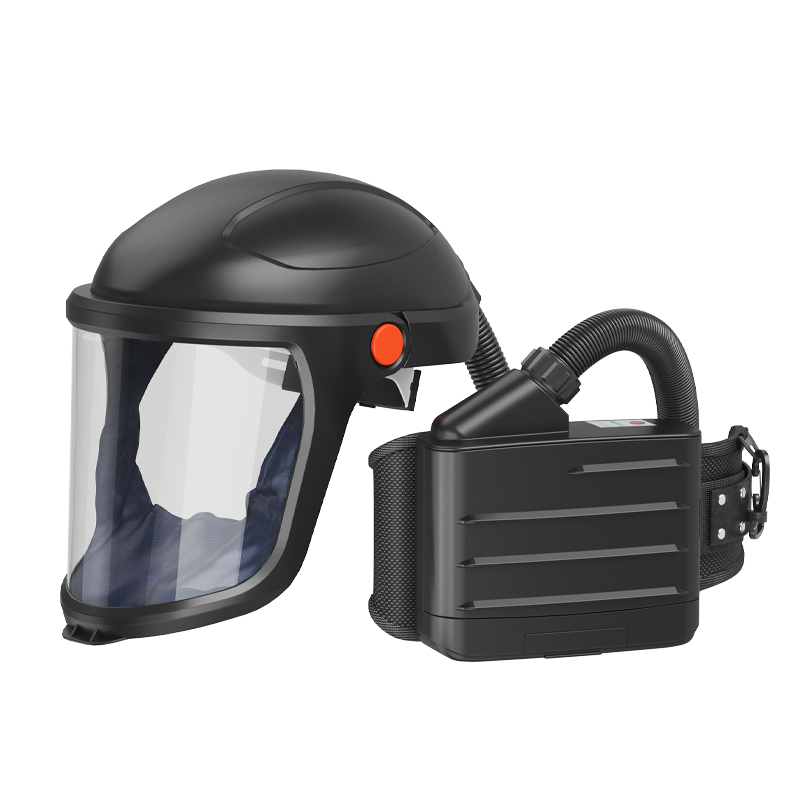
Bei der Auswahl, dem Testen und der Bereitstellung Gebläse-Atemschutzsystem (PAPRs), NPF und APF sind zwei häufig verwendete Parameter, die oft verwechselt werden. Viele Fachleute fragen sich, warum maßgebliche Produktnormen für PAPRs wie EN 12941 Leistungstests vorschreiben, aber den APF nicht berücksichtigen. Der Hauptgrund dafür ist, dass NPF eine Kennzahl für die Produktleistung im Labor ist, während APF ein praxisorientierter Schutzparameter für den Einsatz im Feld ist. Sie unterscheiden sich in Definition, Testbedingungen und Anwendungszweck, und das Verständnis beider ist für den vorschriftsmäßigen Einsatz von PAPRs unerlässlich.Erstens ist der NPF (Nominal Protection Factor) ein im Labor ermittelter Messwert für die Produktzertifizierung nach EN 12941. Wenn Hersteller ihn einreichen PAPR-Systemkits Für die Prüfung wird die komplette Baugruppe in einer kontrollierten Laborumgebung auf die Gesamtleckage (Total Inward Leakage, TIL) untersucht, aus der der NPF-Wert berechnet wird. Dieser Wert bestimmt auch die Schutzklasse TH1, TH2 oder TH3 des Produkts. Die Prüfungen werden unter streng kontrollierten Bedingungen mit definierten Testobjekten, Luftstrom- und Montageverfahren durchgeführt. Der NPF-Wert gibt den maximal erreichbaren Schutz der Hardware selbst an und dient als Grundlage für die CE-Zertifizierung und die Produktklassifizierung. Er kann jedoch die tatsächliche Schutzleistung an Baustellen nicht abbilden. Der zugewiesene Schutzfaktor (APF) ist hingegen ein praktischer Parameter für das Sicherheitsmanagement vor Ort und wird primär zur Gefahrenbeurteilung und zur Auswahl von Atemschutzgeräten verwendet. Gemäß der Norm EN 529 für die Auswahl, Verwendung und Wartung von Atemschutzgeräten beschreibt der APF den Schadstoffreduktionsfaktor, der unter über 95 % der Feldbedingungen erreicht werden kann, vorausgesetzt, die Anwender sind entsprechend geschult, die Ausrüstung ist intakt und die Atemschutzgeräte werden korrekt getragen. Er berücksichtigt reale Variablen wie unterschiedliche Gesichtszüge, Körperbewegungen während der Arbeit, Luftturbulenzen und den Verschleiß der Ausrüstung im Laufe der Zeit. Der APF ist der Referenzwert, den Unternehmen verwenden müssen, um zu überprüfen, ob ein PAPR (Gebläseunterstütztes Atemschutzgerät) für eine bestimmte Schadstoffkonzentration geeignet ist. Der Hauptunterschied liegt im Vergleich zwischen der idealen Leistungsgrenze und dem realen Sicherheitsstandard. Der NPF-Wert repräsentiert den theoretischen Spitzenschutz, der unter optimalen Laborbedingungen erreicht wird. Beispielsweise entspricht ein nach EN12941 zertifiziertes Gerät der Klasse TH3 diesem Wert. Überdruck-Atemschutzgerät Das Produkt erreicht in Labortests einen NPF-Wert von 500, doch diese Leistung lässt sich in der Praxis, beispielsweise in Werkstätten oder auf Baustellen, kaum erreichen. Der APF-Wert ist ein konservativer Sicherheitswert, der auf umfangreicher Praxiserfahrung basiert. Er berücksichtigt alle potenziellen Unsicherheiten im realen Einsatz und liegt stets unter dem NPF-Wert. Dadurch wird eine übermäßige Abhängigkeit von theoretischen Schutzniveaus vermieden und Sicherheitsrisiken zum Schutz der Gesundheit der Arbeiter minimiert.In der industriellen Praxis sind ihre Rollen klar getrennt. Bei Forschung und Entwicklung, Produkttests und Zertifizierungsaudits gelten NPF und TH als anerkannte Standards zur Definition der Produktqualität. Bei der Durchführung von Gefährdungsbeurteilungen, der Auswahl von Atemschutzgeräten für die jeweiligen Gefahren am Arbeitsplatz und der Erstellung von Schutzplänen muss der APF verwendet werden. Die Einhaltung der Vorschriften wird durch den Vergleich des APF mit dem Gefahrenfaktor am Arbeitsplatz bestätigt. Zusammenfassend lässt sich sagen: Der NPF definiert die obere Grenze des Produkts für Zertifizierung und Einstufung; der APF legt die minimalen Sicherheitsanforderungen für den praktischen Einsatz fest. Beide sind notwendig und ergänzen sich. NEW AIR verfügt über jahrelange Erfahrung in Forschung und Entwicklung, Fertigung und Konformitätsberatung für Atemschutzgeräte. Wir kennen die Logik der Normen und die praktischen Unterschiede zwischen NPF- und APF-Werten. Alle unsere PAPRs werden gemäß EN 12941 einer Typprüfung unterzogen, um validierte NPF-Werte und eine robuste Hardware-Performance zu gewährleisten. Wir entwickeln professionelle und zuverlässige Atemschutzsysteme für Industriearbeiter in allen Anwendungsbereichen. Für weitere Informationen klicken Sie bitte hier. www.newairsafety.com.
MEHR LESEN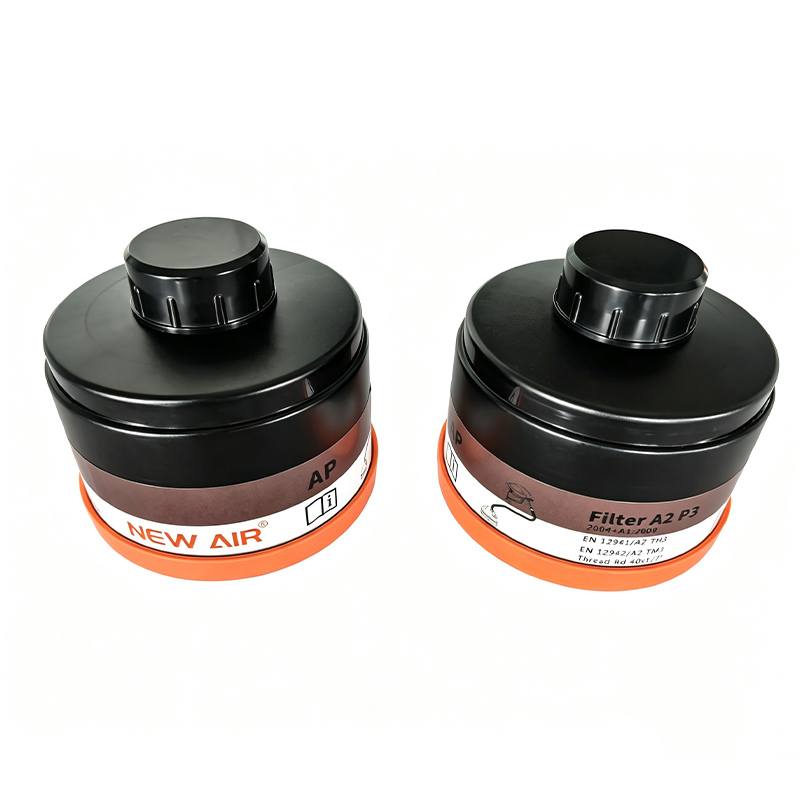
Arbeiter, die Spritzlackierungen, Klebstoffaufträge und chemische Verarbeitungsprozesse durchführen, sind zwei Hauptgefahren für die Atemwege ausgesetzt: schädlichen organischen Dämpfen und feinen Partikeln in der Luft. Standard-Partikelfilter können zwar Staub und Aerosole auffangen, aber keine giftigen Lösungsmitteldämpfe zurückhalten. Die kombinierte Filterpatrone NEW AIR A2P3 ist der passende Filter für den BXH-3002. Gebläseunterstützter Luftreiniger (PAPR). Speziell für Sprühanwendungen entwickelt, bietet es doppelten Schutz gegen organische Dämpfe und Feinstaub.Die Filterklasse A2 schützt vor organischen Dämpfen mit Siedepunkten über 65 °C, wie z. B. Lacklösungsmitteln, Verdünnern und Dämpfen von Klebstoffen. Die Filterschicht P3 fängt feste und flüssige Aerosole ab, darunter Farbnebel, Schleifstaub und Rauch. Bei Montage am BXH-3002 Atemschutzgerät zur LuftreinigungDie A2P3-Kartusche adsorbiert zunächst organische Gase über ihre Aktivkohleschicht und fängt anschließend kleinste Tröpfchen und Partikel mit hocheffizienten Filtermedien ab. Diese zweistufige Reinigung versorgt das Visier kontinuierlich mit sauberer Luft und bietet so zuverlässigen Atemschutz für Sprühanwender. Die A2P3-Filterpatrone ist das wichtigste Zubehörteil der Atemschutzmaske BXH-3002 für das Spritzen von lösemittelhaltigen Lacken. In Lackierwerkstätten schwebt Lacknebel zusammen mit verdunsteten Lösemitteldämpfen in der Luft. Ein einzelner P3-Partikelfilter birgt hier erhebliche Sicherheitsrisiken, da er Lösemitteldämpfe nicht herausfiltern kann. Ausgestattet mit dem A2P3-Filter schützt die BXH-3002 sowohl vor Lacknebel als auch vor organischen Dämpfen. Sie wird häufig für die Autolackierung, das Lackieren von Möbeln und andere lösemittelbasierte Beschichtungsarbeiten eingesetzt. Trotz seiner hohen Filterleistung müssen Anwender seine Grenzen kennen. Der A2P3-Filter für BXH-3002 schützt ausschließlich vor organischen Dämpfen. Er bietet keinen Schutz vor sauren Gasen, Ammoniak oder anderen anorganischen toxischen Gasen. Er wird nicht für das Spritzen von 2K-Polyurethanlacken mit Isocyanaten empfohlen, da hierfür ein höherer Atemschutz erforderlich ist. Die Lebensdauer der Filterpatrone hängt von der Chemikalienkonzentration vor Ort, der Luftfeuchtigkeit und der Betriebsdauer ab. Ein regelmäßiger Austausch ist zwingend erforderlich.Die hohe Kompatibilität ist ein weiterer Vorteil des BXH-3002-Systems. Die A2P3-Filterpatrone verfügt über ein Standardgewinde. Sie lässt sich schnell am BXH-3002-Hauptgerät montieren oder bei Bedarf gegen einen P3-Partikelfilter austauschen. Anwender können die Filtertypen einfach wechseln: Verwenden Sie den P3-Filter zum Schweißen und Schleifen und anschließend die A2P3-Kombinationspatrone für Beschichtungsarbeiten. Ein Austausch der gesamten Atemschutzmaske ist nicht erforderlich. Ein Hauptgerät deckt verschiedene Arbeitsszenarien ab, senkt die Ausrüstungskosten und steigert die Produktivität in der Werkstatt. NEW AIR ist auf die Entwicklung zuverlässiger Atemschutzlösungen spezialisiert. In Kombination mit der originalen A2P3-Filterpatrone bietet der BXH-3002 locker sitzender, motorbetriebener Luftreiniger Das System wird gemäß den relevanten EN-Normen gefertigt und geprüft und bietet einen stabilen Doppelschutz gegen Gase und Partikel in Spritzkabinen. Wir liefern das komplette PAPR-System BXH-3002, Ersatzfilterpatronen und Zubehör für die vielfältigen Anforderungen der Schweiß-, Schleif- und Spritzlackierindustrie. Jedes Produkt ist so konstruiert, dass es die Atemsicherheit von Arbeitern in anspruchsvollen Werkstattumgebungen gewährleistet. Für weitere Informationen klicken Sie bitte hier. www.newairsafety.com.
MEHR LESEN
PAPR (Gebläseunterstützte Atemschutzgeräte) nutzen ein eingebautes Gebläse, um gefilterte, saubere Luft in eine Kopfmaske oder Gesichtsmaske zu leiten. Sie sind ein unverzichtbarer Bestandteil der persönlichen Schutzausrüstung in Arbeitsumgebungen mit Industriestaub und gesundheitsgefährdenden Partikeln. Viele Anwender gehen davon aus, dass der Schutz gewährleistet ist, solange das Gebläse einwandfrei funktioniert. Bei PAPR-Systemen mit dicht sitzenden Kopfmasken ist jedoch die Dichtigkeitsprüfung nach innen im ausgeschalteten Zustand ein unerlässlicher Bestandteil der vollständigen Systemvalidierung.Wenn die Luftreinigender Atemschutz Bei normalem Betrieb des Gebläses wird ein Überdruck im Inneren des Kopfteils aufrechterhalten. Dieser Überdruck verhindert, dass Fremdkörper durch Spalten zwischen Gesichtsabdichtung und Haut eindringen. Dies ist der zentrale Schutzmechanismus eines PAPR (Gebläse-Atemschutzgeräts). Fällt das Gebläse unerwartet aus, entlädt sich der Akku vollständig oder weist das Gerät eine Fehlfunktion auf, verschwindet dieser Überdruck im Inneren sofort. Ohne den kontinuierlichen Luftstrom, der das dicht anliegende Kopfteil stützt, können schädliche Aerosole und Staub aus der Umgebung durch die Dichtung eindringen. Die Leckrate des eindringenden Luftstroms bestimmt dann direkt das Expositionsrisiko für den Träger im Moment des Geräteausfalls. Ein weit verbreiteter Irrtum unter Anwendern ist die Annahme, dass ein eng anliegendes Kopfteil, das fest am Gesicht abdichtet, auch nach dem Abschalten des Gebläses wie eine herkömmliche Unterdruck-Gasmaske funktioniert. Diese beiden Konstruktionen dienen jedoch grundlegend unterschiedlichen Zwecken. Die Dichtungsstruktur eines Atemwegspapr Das dicht anliegende Kopfteil ist primär für den Betrieb mit internem Überdruck ausgelegt; es ist nicht eigenständig für die Dichtigkeitsanforderungen von Unterdruck-Atemschutzgeräten konzipiert. Wenn das Gebläse ausfällt, erzeugt die Atmung des Trägers einen Unterdruck im Kopfteil, wodurch Schadstoffe aus der Umgebung in die Dichtungsspalten gelangen. Ohne eine Leckageprüfung nach innen im ausgeschalteten Zustand lässt sich nicht quantifizieren, welcher Anteil der Schadstoffe bei einem Geräteausfall in das Kopfteil eindringt. Plötzlicher Stromausfall von PAPR-Geräten ist im realen Betrieb keine Seltenheit. Längere Arbeiten können die Batterien entladen, lose Kabel oder Stöße können zum unerwarteten Abschalten des Gebläses führen. An Hochrisikostandorten wie Chemieanlagen, pharmazeutischen Produktionsstätten und Werkstätten mit Schwermetallstaub können die Arbeiter nach einem Abschalten nicht sofort evakuiert werden. Sie benötigen oft mehrere Sekunden bis zu mehreren zehn Sekunden, um ihren Arbeitsplatz zu sichern und den Gefahrenbereich zu verlassen. Leckstromprüfungen im stromlosen Zustand simulieren dieses Risikoszenario und bewerten, wie viel Restschutz die Atemschutzmaske bei Gebläseausfall bietet und ob das Gerät die Sicherheitsanforderungen vor Ort erfüllt.Für die Einhaltung von Vorschriften und die Auswahl geeigneter Geräte sind Daten zur Leckage nach innen im ausgeschalteten Zustand für die Risikobewertung unerlässlich. Relevante Normen für Atemschutzgeräte fordern neben der Prüfung des Schutzes bei normaler Luftzufuhr auch eine Leistungsbewertung unter Fehlerbedingungen. Dieser Test ermöglicht den Vergleich der Dichtungsleistung verschiedener Kopfstückmodelle und die Identifizierung von Dichtungsmängeln, wie z. B. unzureichender Kopfbanddruck oder deformierte Gesichtsabdichtungen. Die Daten unterstützen Unternehmen zudem bei der Entwicklung von Notfallprotokollen, der Festlegung des maximal zulässigen Evakuierungszeitraums nach Abschaltung des PAPR und der Klärung von Notfallmaßnahmen für das Personal. Zusammenfassend lässt sich sagen: Gebläseunterstützte Gesichtsmaske Der Schutz basiert auf dem durch den Gebläseluftstrom erzeugten Überdruck. Die Leckageprüfung bei Stromausfall dient im Wesentlichen als Ausfalltest für die Schutzausrüstung. Sie bewertet nicht die Leistung im Normalbetrieb, sondern überprüft die Schutzfunktion bei Geräteausfall. Nur wenn bestätigt wird, dass die Leckage auch bei Stromausfall kontrollierbar bleibt, lassen sich die tatsächlichen Schutzgrenzen des gesamten PAPR-Systems vollständig ermitteln und versteckte Gesundheitsgefahren für die Bediener durch plötzlichen Gebläseausfall vermeiden. Wenn Sie mehr erfahren möchten, klicken Sie bitte hier. www.newairsafety.com.
MEHR LESEN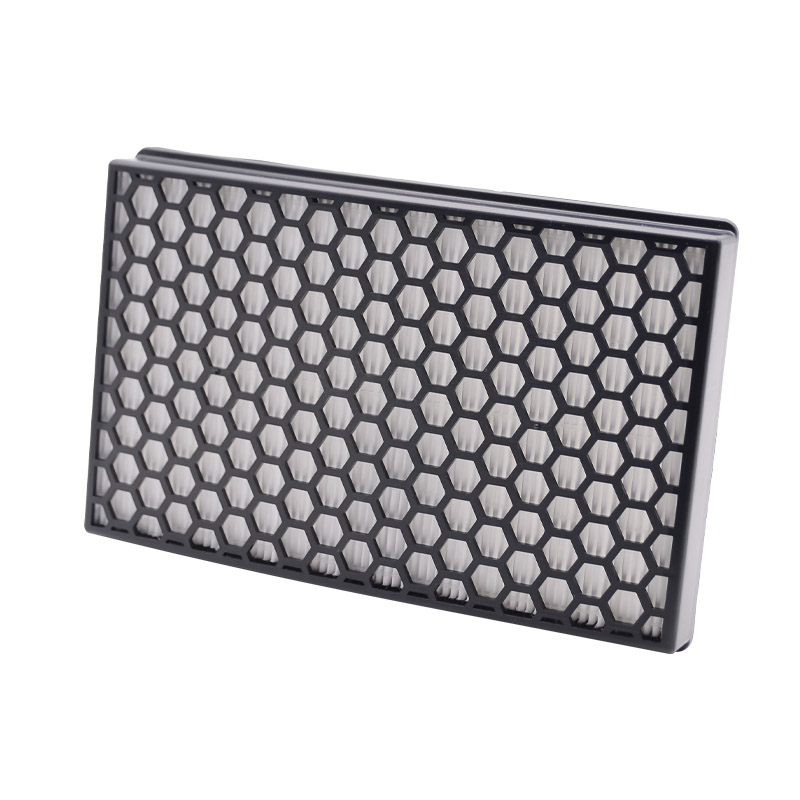
In unseren täglichen Beratungen zum Thema Atemschutz in der Industrie werden wir häufig gefragt: „Bieten Sie H13- oder H14-Filter an?“ Viele Käufer und Anwender vor Ort verwechseln oft die HEPA-Filterklassen mit der Schutzleistung von PAPR-Systemen. Tatsächlich stellen H13 und H14 ein völlig anderes technisches Normensystem dar. batteriebetriebenes Atemschutzgerät Die Geräte sind nicht austauschbar. Die Klärung ihrer wesentlichen Unterschiede ist unerlässlich, damit Anwender die passenden, standortgerechten Atemschutzlösungen auswählen können.H13 und H14 sind HEPA-Filterklassen gemäß der Norm EN 1822, die für Lüftungs- und Luftreinigungssysteme wie Reinräume und HLK-Anlagen gilt. Diese Norm bewertet die Partikelabscheideleistung von Filtermedien unter statischen Laborbedingungen. H13-Filter erreichen eine minimale Filtrationseffizienz von 99,95 %, H14-Filter sogar 99,995 %. Obwohl H13/H14-Filtermedien eine ausgezeichnete Reinigungsleistung bieten, gelten in Europa strengere Vorschriften für Arbeitsplatzluftverschmutzung. PAPR-Atemschutzsystem Die Zertifizierung erfolgt gemäß den PSA-Normen EN12941 und EN12942, die die H-Klasse-Klassifizierung nach EN1822 nicht übernehmen. Industrielle PAPRs für den Einsatz am Arbeitsplatz erfordern zwingend Filter der P-Serie mit Zertifizierung nach EN143. Viele Kunden fragen sich, ob PAPR-Geräte mit H13- oder H14-Filtern verwendet werden können. Technisch gesehen lassen sich H13/H14-Filtermedien in PAPR-Geräte einbauen. Eine solche Konfiguration entspricht jedoch nicht den europäischen Vorschriften für den Einsatz am Arbeitsplatz. Die Prüfung nach EN 1822 H erfolgt in statischen, stabilen Belüftungsumgebungen und simuliert nicht die realen Arbeitsbedingungen von PAPR-Geräten, wie z. B. kontinuierliche dynamische Luftzufuhr, hohe Staubbelastung, Gerätevibrationen und langfristiges Tragen vor Ort. Selbst wenn die Filtermedien die H13- oder H14-Effizienzanforderungen erfüllen, erhält das PAPR-Gerät keine offizielle PSA-Zertifizierung und ist somit für industrielle Anwendungen ungeeignet.Dies erklärt, warum in Europa gängige PAPR-Produkte P3-Filter anstelle von H13/H14-Filtern verwenden. Als professioneller Partikelfilterstandard für Atemschutzgeräte gemäß EN 143 bieten P3-Filter eine Mindestfiltrationseffizienz von 99,95 %, was der Filterklasse H13 entspricht. Darüber hinaus werden P3-Filter umfassenden arbeitsplatzbezogenen Tests unterzogen, darunter Staubaufnahmekapazität, Luftwiderstand, Vibrationsfestigkeit und Feuchtigkeitsbeständigkeit. Sie sind optimal auf den dynamischen Luftzufuhrmodus von PAPR-Gebläsen abgestimmt und bieten ein ausgewogenes Verhältnis zwischen hoher Filtrationsleistung und stabilem Luftstrom, um während des Betriebs einen gleichmäßigen Überdruck in der Atemschutzmaske aufrechtzuerhalten. Ein weit verbreiteter Irrglaube in der Branche ist, dass höhere Filterklassen gleichbedeutend mit besserem Schutz sind. Tatsächlich weisen H14-Filtermedien zwar eine extrem hohe Filterleistung auf, haben aber einen deutlich höheren Luftwiderstand. Der direkte Einbau von H14-Filtern in Standard-PAPRs überlastet das Gebläse, reduziert den tatsächlichen Luftstrom und unterbricht den stabilen Überdruck in der Maske. Dies kann zu einem Austritt verschmutzter Luft und einer insgesamt verminderten Schutzwirkung führen. Für die meisten industriellen Staubbelastungen, wie z. B. beim Metallschleifen und der Pulverhandhabung, erfüllen Standard-P3-Filter die Sicherheitsanforderungen vollständig. Bei der Auswahl von Ausrüstung sollten Anwender daher offiziellen PAPR-Zertifizierungen Vorrang vor H13/H14-Filterparametern einräumen. NEW AIR konzentriert sich auf die Forschung und Entwicklung sowie die Herstellung professioneller Gebläse-Atemschutzgerät mit Überdruck Schutzausrüstung. Dank unserer umfassenden Kenntnisse der globalen Marktstandards und der Bedürfnisse unserer Kunden halten wir uns strikt an die regionalen PSA-Vorschriften. Unsere Produkte verwenden EU-konforme P3-Filter für den europäischen Markt und passende HEPA-Lösungen für Nordamerika. Jede Geräte- und Filterkombination wird professionell kalibriert, um ein optimales Verhältnis von Filtrationseffizienz, Betriebsstabilität und Tragekomfort zu gewährleisten. So bieten wir unseren globalen Industriekunden zuverlässige, normkonforme und anwendungsspezifische Atemschutzlösungen.Wenn Sie mehr erfahren möchten, klicken Sie bitte hier. www.newairsafety.com.
MEHR LESEN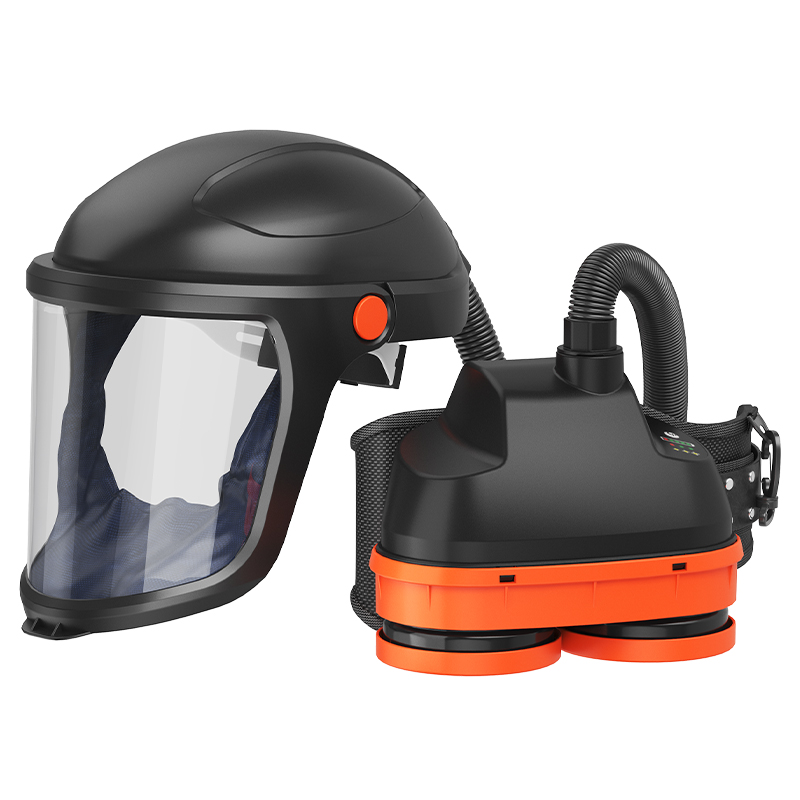
In all industrial work environments across the United States, the compliance of Powered Air-Purifying Respirators (PAPRs) is strictly regulated under federal code 42 CFR Part 84. NIOSH certification serves as the only legally recognized qualification for respiratory protection devices and is fully enforced by OSHA. Unlike flexible regional protection standards, NIOSH approval is mandatory for all workplace applications, including general industry, construction, healthcare, and manufacturing.Only officially NIOSH-listed and approved PAPRs are permitted for on-site deployment. While most EHS managers and procurement professionals understand that PAPRs require NIOSH certification, many are unfamiliar with the full range of performance and durability tests required for official approval. This article provides a detailed breakdown of the complete NIOSH testing criteria that all qualified PAPRs must pass, helping safety professionals evaluate product quality, eliminate non-compliant equipment, and maintain standardized workplace safety. Filter performance and filtration efficiency testing form the foundation of NIOSH’s PAPR grading system and represent the first critical stage of certification. Before formal testing, filter cartridges undergo standardized environmental preconditioning to simulate performance changes caused by long-term storage and humid working conditions. Two types of aerosol challenges are applied according to different hazard types: sodium chloride aerosol for solid dust environments and DOP oil aerosol for oil-based fume contaminants, which differentiates the application scope of N-series and P-series filters. Testing airflow rates are strictly defined based on papr system construction: 115 L/min for tight-fitting facepiece models and a minimum of 170 L/min for loose-fitting hood and helmet-style units. Throughout the full loading test, high-concentration particulate aerosol is continuously injected until the filter reaches saturation. Certified PAPRs must maintain stable filtration efficiency without excessive particulate penetration at any stage. As motor-driven respiratory devices, PAPRs must pass NIOSH-specific airflow performance and battery durability tests. Under 42 CFR Part 84, PAPRs must sustain airflow above the minimum rated output even as filters become fully loaded and battery voltage gradually declines. Consistent positive pressure inside the facepiece or hood is essential to prevent external contaminant ingress. Professional breathing simulators are used to monitor inhalation and exhalation resistance throughout operation. Emergency power failure scenarios are also tested to ensure residual resistance does not hinder breathing during sudden motor shutdown. Additionally, PAPRs undergo extended continuous operation and extreme temperature cycling tests to verify battery and motor stability during full-shift, 8-hour work cycles, eliminating common field risks such as airflow dropouts, low-temperature shutdowns, and high-temperature battery failure. Total inward leakage and system tightness testing are core evaluations that determine real-world protective effectiveness. NIOSH enforces distinct testing protocols for the two mainstream PAPR designs. Tight-fitting facepiece PAPRs require quantitative fit testing with human test panels and corn oil aerosol to measure particle penetration through facial seals, headband connections, and assembly gaps. Loose-fitting hood and helmet papr respirator systems are exempt from facial fit testing but must comply with strict overall inward leakage limits. Critical inspection areas include neck seals, duct connections, and hood stitching joints. All units also undergo accelerated aging through repeated donning, doffing, and hose bending cycles to simulate long-term wear and seal degradation. Any leakage exceeding the standard threshold results in test failure. Beyond core protection performance, NIOSH mandates a comprehensive set of structural durability, ergonomic, and functional tests to ensure long-term operational safety. Structural evaluations include drop resistance, repeated hose flexing, lens impact and abrasion resistance, and headband tensile strength, verifying component reliability under daily industrial wear. Ergonomic assessments are conducted with test subjects of different body types to ensure easy donning, unobstructed field of view, and comfortable long-duration wear. Additional functional tests cover operational noise levels and speech intelligibility to support effective on-site communication. For PAPRs equipped with gas cartridges, extra adsorption lifespan tests for organic vapors and acid gases are required to confirm certified service duration. Overall, NIOSH establishes a rigorous, multi-dimensional testing framework under 42 CFR Part 84, covering filter efficiency, powered airflow stability, system tightness, structural durability, and ergonomic safety. These standardized requirements define the minimum safety benchmark for all respirators entering the U.S. market. For workplace safety and procurement teams, verifying PAPRs against these official NIOSH test criteria is essential to protecting workers from particulate and aerosol hazards, avoiding OSHA penalties for non-compliant PPE, and sustaining long-term regulatory compliance at industrial facilities.If you want know more, please click www.newairsafety.com.
MEHR LESEN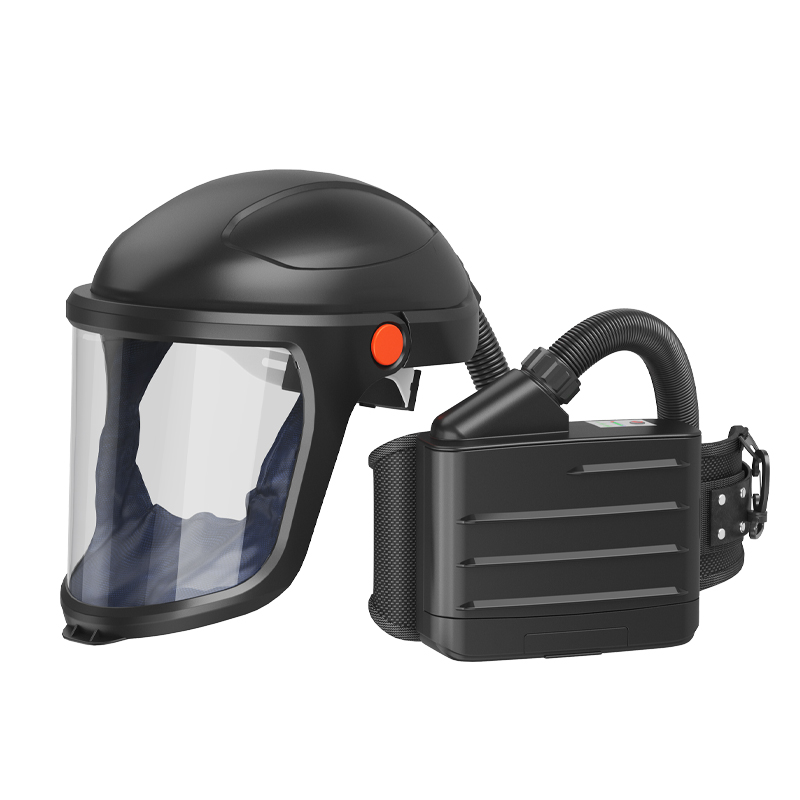
In the industrial safety system of Australia and New Zealand, the compliance of respiratory protection equipment is a core part of workplace risk prevention and control. As an official standard for respiratory protective devices jointly issued by the two regions, AS/NZS 1716:2012 serves as the statutory basis for the access, testing, and application of all respiratory protection equipment. Many practitioners are familiar with the P1, P2, and P3 classification of disposable filtering masks, yet often overlook the profound correlation between this standard and Powered Air-Purifying Respirators (PAPRs). Unlike conventional passive respirators, PAPRs adopt an electric air supply system to actively purify air and reduce breathing resistance, delivering higher protection levels and broader application scenarios. Undoubtedly, AS/NZS 1716:2012 is the authoritative specification that defines the product performance, testing criteria, and compliance thresholds of PAPRs, as well as the core guideline for the selection, acceptance, and maintenance of papr air purifier equipment in Australian and New Zealand workplaces. It is essential to clarify the core definition: AS/NZS 1716:2012 is not limited to regulating simple protective masks, but covers all categories of respiratory protection equipment including PAPRs. This standard stipulates the manufacturing requirements, performance indicators, testing methods, and certification specifications for various respiratory protective devices, applicable to all workplace scenarios involving harmful dust, aerosols, and particulate contaminants. Compared with traditional negative-pressure respirators, PAPRs feature unique electric air supply structures, enclosed designs, and continuous air delivery functions. Accordingly, the standard sets independent special testing dimensions for PAPRs, covering critical indicators such as air supply stability, filtration efficiency, overall equipment tightness, battery durability, and structural safety. It establishes a testing system completely different from that of ordinary masks, fundamentally preventing non-compliant PAPR devices from being put into workplace use. The filtration classification system constitutes the core content of AS/NZS 1716:2012 for regulating PAPR protection performance. Adopting the exclusive Australian and New Zealand three-tier particulate filtration classification of P1, P2, and P3, the standard precisely defines the filter element performance of PAPRs. The P1 grade is suitable for low-concentration dust scenarios with basic filtration efficiency requirements met. The P2 grade can filter over 94% of fine particles of 0.3 microns, covering most industrial dust, welding fume, and aerosol scenarios, making it the mainstream configuration for workplace PAPRs. As the highest protection grade, P3 features stringent requirements for filtration accuracy and sealing performance, tailored for high-pollution and high-risk operating environments. All compliant powered respirators devices must be marked with the corresponding classification on the body or packaging. Products with air supply functions but without classification certification under this standard are not recognized by the Australian and New Zealand workplace safety system. Beyond filter element filtration performance, AS/NZS 1716:2012 also stringently regulates the overall safety and operational performance of PAPRs. For the exclusive electric air supply system of PAPRs, the standard mandates stable airflow delivery to avoid insufficient air supply or airflow interruption, while imposing strict requirements on equipment airtightness, leakage prevention, and material safety. In addition, the standard differentiates the application requirements for tight-fitting and loose-fitting PAPRs, specifying that tight-fitting models must undergo professional fit testing while loose-fitting models are exempted, providing clear specifications for on-site enterprise implementation. Furthermore, the standard covers routine inspection, fault judgment, and service life thresholds for PAPRs, forming a standardized basis for daily equipment operation and maintenance. In the Australian and New Zealand workplace compliance framework, AS/NZS 1716:2012 forms a complementary closed-loop system with AS/NZS 1715:2009 to regulate the full lifecycle management of PAPRs. AS/NZS 1716 focuses on product performance and compliance certification, answering the core question of whether the equipment is qualified. In contrast, AS/NZS 1715 governs the selection, application, training, maintenance, and scrapping processes of equipment, standardizing correct operational practices. Enterprises adopting PAPRs must meet the requirements of both standards: the equipment itself shall be certified per AS/NZS 1716:2012, and its usage and maintenance procedures shall comply with AS/NZS 1715. This dual-standard system ensures the high-level protective performance of PAPRs can be fully realized, effectively reducing occupational health risks caused by dust and particulate pollutants. In summary, AS/NZS 1716:2012 is the fundamental compliance benchmark for PAPR application in Australia and New Zealand. It not only builds a dedicated performance testing and classification system for PAPRs, distinguishing high-level powered air protection from ordinary negative-pressure protection, but also clarifies the access criteria and safety thresholds for workplace PAPR deployment. For industrial enterprises, safety practitioners, and equipment suppliers, a thorough understanding of the PAPR-specific specifications in this standard helps protect workers’ occupational health, eliminate potential safety hazards, ensure compliant equipment selection, and pass workplace safety inspections smoothly. It is an essential core criterion for standardized respiratory protection management across Australia and New Zealand.If you want know more, please click www.newairsafety.com.
MEHR LESEN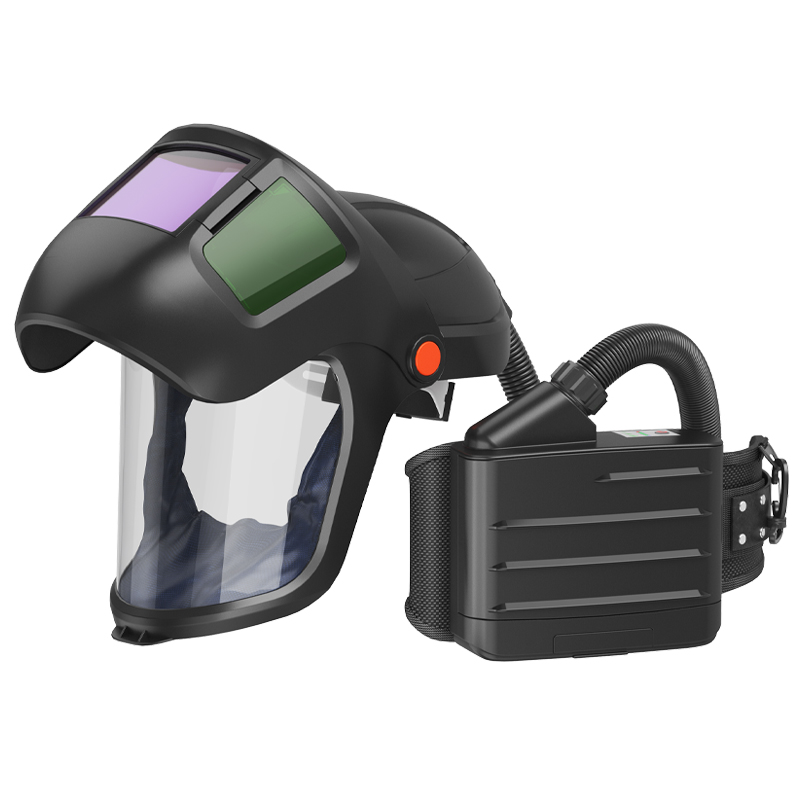
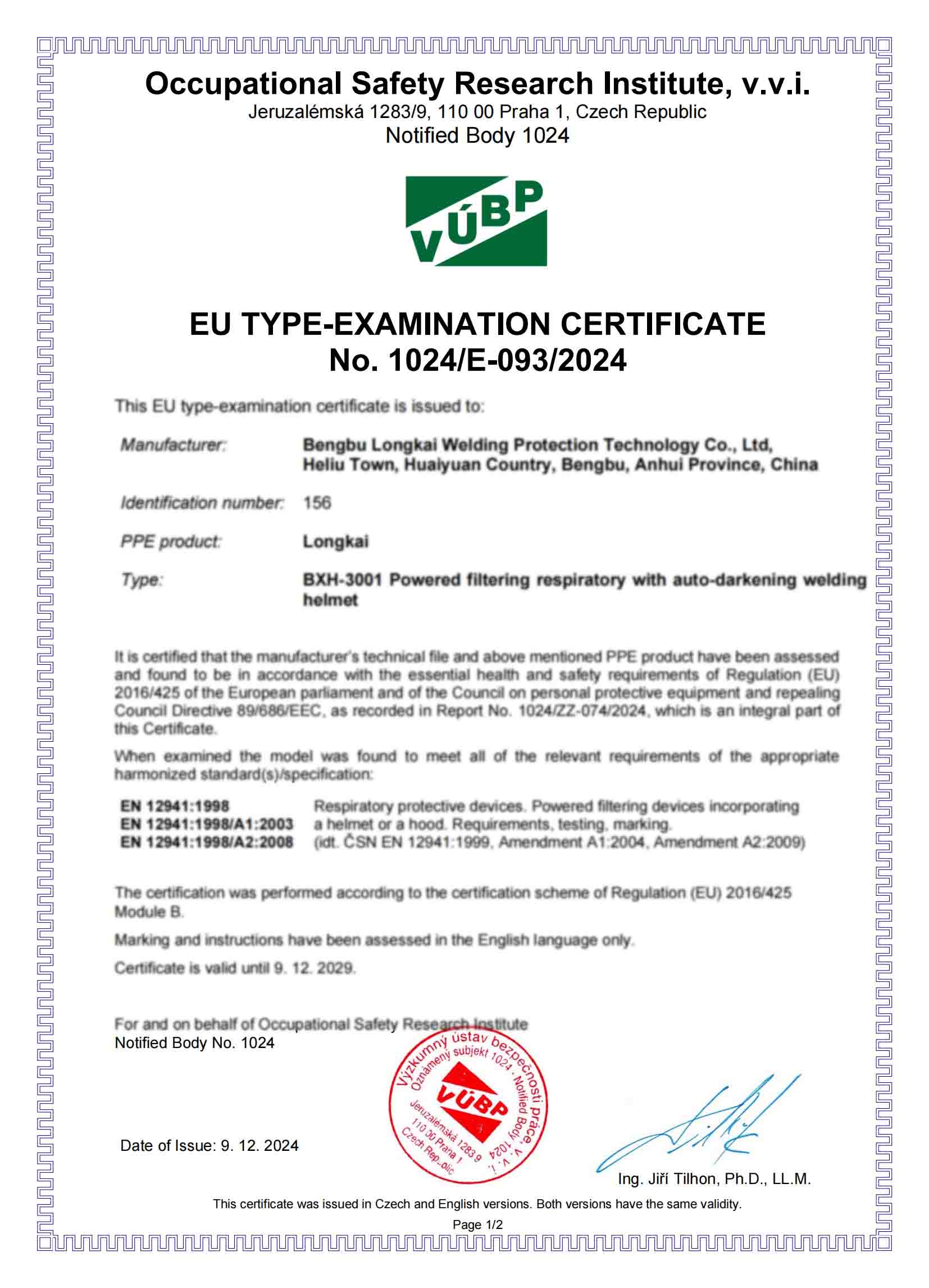
As EU PPE regulations keep tightening and the updated EN12941:2023 & EN12942:2023 standards come into full force, the compliance threshold for powered air-purifying respirators (PAPR) exported to Europe has risen significantly. There are countless notified bodies across the EU with huge gaps in certification validity and testing capacity. Many manufacturers frequently face troubles including questioned certificates, suspended annual surveillance and customs detention. As a professional manufacturer of papr air purifier protection equipment, NEW AIR sends our full product range to RILSA (Notified Body NB1024, Czech Republic) for certification consistently, without switching to other certification bodies. Our overseas customers also widely recognize CE certificates issued by NB1024. This consistent choice stems from five irreplaceable core strengths listed below. 1. Comprehensive Specialized RPD Qualifications to Prevent Certificate Invalidation Registered in the EU NANDO database, RILSA NB1024 holds full official authorization for respiratory protective devices (RPD) under Regulation (EU) 2016/425. It is fully accredited to issue certificates against both core PAPR standards EN12941 and EN12942, with no risk of out-of-scope certification. RILSA runs its own ISO 17025 accredited laboratory No.1040. All mandatory tests for best papr respirator – total inward leakage, airflow stability, filter penetration, high-low temperature durability and more – are completed in-house without outsourcing to third-party labs. All test data is complete and fully traceable. As a notified body qualified for full conformity assessment of Category III high-risk PPE, RILSA delivers Module B type examination plus Module C2 annual surveillance as a complete package. Most small notified bodies can only offer Module B testing without follow-up surveillance, which easily leads to expired or invalid certificates. This full-service model perfectly matches NEW AIR’s long-term mass export demands. 2. Endorsed by Industry Benchmark Brands, Highly Recognized by Buyers Leading European welding equipment manufacturers and top local PPE brands have long relied on RILSA for PAPR certification, building outstanding industry credibility through thousands of successful projects. Many overseas distributors and PPE purchasers explicitly require suppliers to provide products certified by RILSA. In buyers’ eyes, the NB1024 number is a symbol of rigorous, authoritative performance verification for respiratory protection. When comparing identical PAPR products, NEW AIR respirators carrying NB1024 certificates pass customer qualification reviews much faster and secure large-volume purchase orders, granting us a distinct competitive edge in global markets. 3. Smooth Customs Clearance & Stable Market Surveillance, Low Risk of Certificate Suspension or Revocation RILSA is a state-owned national occupational safety research institute in the Czech Republic, not a purely commercial private certification body. It enjoys high credibility with EU customs authorities and market surveillance agencies across all member states. Shipments with NB1024 certificates face far lower inspection rates at EU borders, avoiding extra detention fees and delivery delays caused by questioned certification credentials. In the event of random EU market surveillance audits, RILSA can supply full original test records with complete data trails. Cases of certificate suspension, revocation or forced product withdrawal are extremely rare, drastically cutting compliance risks for NEW AIR’s large-scale shipments. 4. Full Certification Capacity for EN12941:2023 & EN12942:2023 to Secure Long-Term Compliance The latest standard revisions introduced stricter mandatory test items, including mercury and NOx filter performance, unified total inward leakage assessment, battery safety and extreme temperature cycling durability. RILSA participated in the drafting of EU respiratory protection standards and completed full capability expansion for both updated 2023 standards well in advance. It can certify NEW AIR’s core welding helmet-style PAPR as well as tight-fitting full/half mask PAPR for chemical applications. New product certification and legacy certificate upgrades can be processed in one stop, eliminating repeated testing fees and the hassle of switching notified bodies to maintain market access. 5. One-Stop Certification Service Aligned with Mass Production & Export Cycles RILSA maintains mature, streamlined communication channels for Chinese papr respirators manufacturers. Its technical team is familiar with integrated welding PAPR structures, composite filter media and blower modules made in China, delivering practical, efficient corrective action guidance when adjustments are needed. The full Module B + C2 certification timeline is predictable and stable. Annual surveillance mainly consists of online document reviews and small sample lab testing, removing the need for frequent on-site factory audits in Europe. Thanks to this low-maintenance certification framework, NEW AIR’s team can minimize time spent on compliance paperwork and focus more on product R&D and global market expansion. NEW AIR consistently chooses RILSA NB1024 for our entire PAPR lineup not merely for balanced lead times and competitive costs, but as the optimal all-round solution covering legitimate accreditation, global buyer recognition, trouble-free customs clearance, up-to-date standard compliance and long-term certificate stability. This is the core reason why NB1024 certificates remain trusted by industrial purchasers worldwide.If you want know more, please click www.newairsafety.com.
MEHR LESEN


 IPv6-Netzwerk unterstützt